
How will Kamloops become one of the most accessible cities in Canada?
Community members helped shape the city’s new accessibility plan.

While Tymmarah Mackie is able bodied at this stage in her life, she knows what it’s like to feel like an outsider, having grown up moving frequently between small mining towns across Canada.
“There’s always people looking at you, you’re trying to fit in and find that sense of belonging. And so I really understand that perspective of newcomers,” says Mackie.
As equity, diversity and inclusion consultant with the City of Kamloops, she’s been working in Kamloops (Tk’emlúps) since last September on a series of changes toward its latest goal: to become one of the most accessible cities in Canada.
Kamloops was not starting from scratch; the city adopted an accessibility plan in 2018. Throughout 2023, Mackie’s task was to help prepare a new plan that would align with requirements set out in the Accessible B.C. Act, which took effect last fall.
Before 2022, municipalities were not required to formally plan for accessibility or provide a mechanism for receiving feedback from community members — even though people with disabilities have the right to be treated equality under Canadian law.
This time, people with lived experience with disabilities were closely involved in shaping Kamloops’ 2023 accessibility plan, adopted by council in late September.
“People were really appreciating that the city was working on a new accessibility plan, and that they were able to inform it,” says Mackie. “We did a lot of community engagement to make sure that people had a say in the work that was being done.”
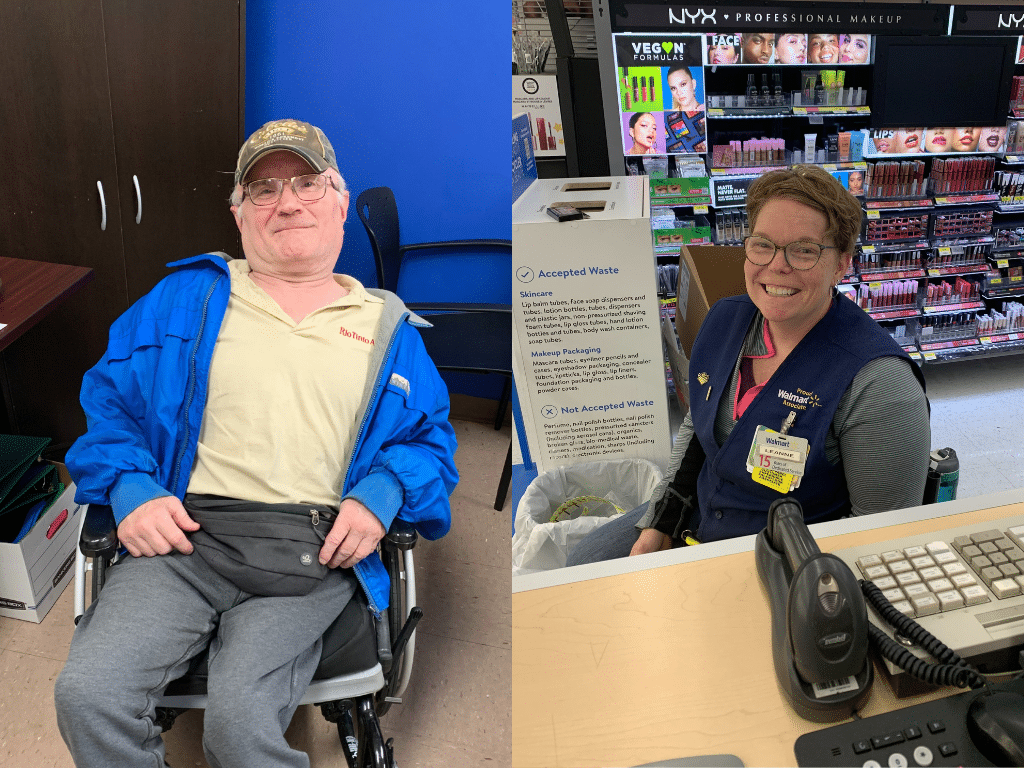
How was the public involved in the new Kamloops accessibility plan?
After reviewing what parts of the 2018 accessibility plan had been completed and what hadn’t, council established an Accessibility Engagement Group with 16 community members who offer services for people with disabilities or who have disabilities themselves.
One member is Todd Harding, a visually impaired disability rights advocate and consultant with decades of experience who has been personally affected by local accessibility issues. Twice he was struck by vehicles crossing local intersections with his guide dogs, as described by local columnist Daniela Ginta.
Other organizations represented include the Centre for Seniors Information, People in Motion, Canadian Mental Health Association, Vision Loss Rehabilitation Canada, Kamloops Immigration Services, Kamloops Brain Injury Association, Kamloops Aboriginal Friendship Society and more.

The city also promoted online surveys and hosted in-person events to gather feedback.
“[Community Development Coordinator] Ben Chobater and I did a number of public engagements where we were available at the farmers market or the libraries… so that we could connect with people and that they know what we’re doing and invite them to take part in the survey,” says Mackie.
This feedback was then synthesized into nearly 50 specific actions local government will take to make the city more accessible in coming years. They are arranged into four key areas of focus: the built environment, programs and services, employment and transportation.
When it comes to accessibility, many people think of the built environment: the layout of washrooms, the width of doors, the presence of automatic openers and maneuverable space inside buildings.
But the city is also responsible for services, communication and employment, and without proper planning, there’s no guarantee these services are accessible and welcoming to everyone.
Actions items include things like ensuring city staff consult accessibility design handbooks and draft communication notices, like service disruptions, in ways that are accessible to people with disabilities.
The plan also commits to review the specific challenges faced by people with disabilities come winter — stressing the the importance of snow removal in commercial areas, at intersections with curb-letdowns and in accessible parking areas.
In coming years, residents can expect to see a comprehensive map or list of accessible features within the city, like public washrooms and parks.
Kamloopsians can also expect to see city policies and other documents provided in plain language and accessible formats, as well as more accessible employment opportunities to ensure people with disabilities are hired to do meaningful work.
Mackie stresses that creating the 2023 Kamloops accessibility plan is just the beginning — now the city has to implement what it has committed to. To do this, the city will report back to the 16-member accessibility engagement group quarterly and annually. With support from the public, the city will conduct a formal review in 2026.
Residents can also share feedback on the city’s accessibility plan or let the city know of any barriers they’ve faced accessing programs, services or spaces 24 hours a day, seven days a week, at Kamloops.ca/Accessibility.
What about the city’s commitment to equity, diversity and inclusion?
Separately from the accessibility plan, the city is working on an Equity, Diversity, and Inclusion Strategic Plan and Action Plan.
“We’re working on a strategic plan that encompasses all aspects of diverse populations, whether it’s skin colour, language spoken, religion, sexual orientation, gender identity, all of those things,” says Mackie.
While it’s too soon to say, the equity, diversity, and inclusion plan likely won’t be on the same scale as the accessibility plan, Mackie explains, as much of the work is already underway and in some cases internal — involving employee training or resource groups.
It also involves changing some of the ways the city collects data, to ensure the city’s workforce reflects the diversity within the community.
Currently, the city doesn’t collect data beyond gender and age. “We couldn’t tell you how many people with disabilities we employ, we don’t know how many Indigenous people we employ, and so on,” says Mackie. Soon, city staff will have the opportunity to voluntarily share diverse aspects of their identity.
In recent weeks, you may have noticed, or participated in, a new initiative that’s part of the city’s diversity and inclusion goals. In October, the Westsyde pool hosted a set of free Pride swims where changerooms are gender neutral, people can wear the swimwear of their choice and staff are trained to be inclusive of all bodies and gender identities.
For the first time, the city also formally participated in the Kamloops Pride parade, with about 80 city staff showing up to march.
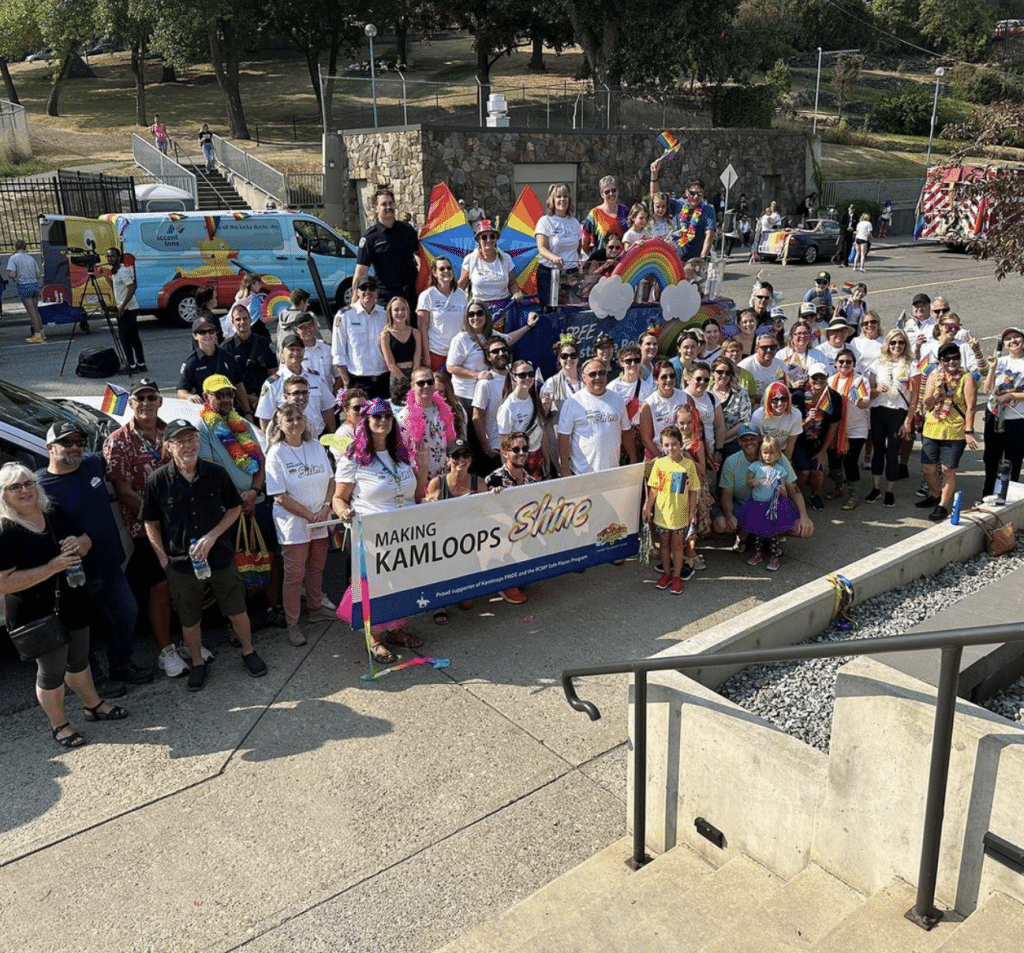
How else is Kamloops becoming an inclusive municipality?
In September, council voted unanimously to become a signatory to the Canadian Commission for UNESCO’s Coalition of Inclusive Municipalities, joining eight other municipalities in B.C., including the City of Burnaby, the District of North Vancouver, the Regional District of North Okanagan and the City of Vancouver.
“When a municipality becomes a member of the Coalition of Inclusive Municipalities, they commit to investing time and resources to create more welcoming and inclusive communities as part of a network of cities seeking to improve policies against racism, discrimination, exclusion, and intolerance,” the report to city council states.
The city has to follow through on 10 commitments related to human rights. “So it’s things like vigilance against systemic and individual discrimination,” Mackie explains. “So what you’ll see is maybe a process for reporting racism and discrimination and then having some kind of a response to it.”
While Mackie’s contract is up in December, and she has moved back to Alberta to be with family, the work will continue.
She’s excited about what’s already underway, citing the city’s lean-in circle — an employee resource circle focused on gender equity.
“And out of gender equity, a lot of other topics come up, right?” explains Mackie. “So yes, you might be a woman. But maybe you’re also a woman who is Muslim. Maybe you’re a woman who is Muslim and you’re a newcomer to Canada, from a country where English was an additional language for you. Maybe you’re also a person of colour. What does that look like for you when you come and work at the city or you’re accessing services? So lots of really great conversations coming up there.”
Having worked on accessibility and inclusion within many communities in Alberta, Mackie says it’s been surprisingly easy for new initiatives to catch on.
“All I did was ask, ‘What would we have to do to be in the Pride parade?’ And all of a sudden, it just happened. ‘What do we need to do to have an inclusive swim?’ And it just happened. You don’t have to convince [city staff]. You plant the seed, and people just make it happen,” she says.
“With all the communities that I’ve worked with, Kamloops was the most ready for the work.”
Editor’s Note Nov. 14, 2023: This is an updated story. A previous version stated that governments have a duty to accommodate people with disabilities according to Canadian law. In fact B.C. Human Rights Code protects people with disabilities in B.C.
The Wren is a community driven local news outlet. Your questions and ideas help guide what we dig into. Your feedback after we publish a story helps ensure we're always improving our reporting to better serve you
What do think about this story?
Author

Related Articles
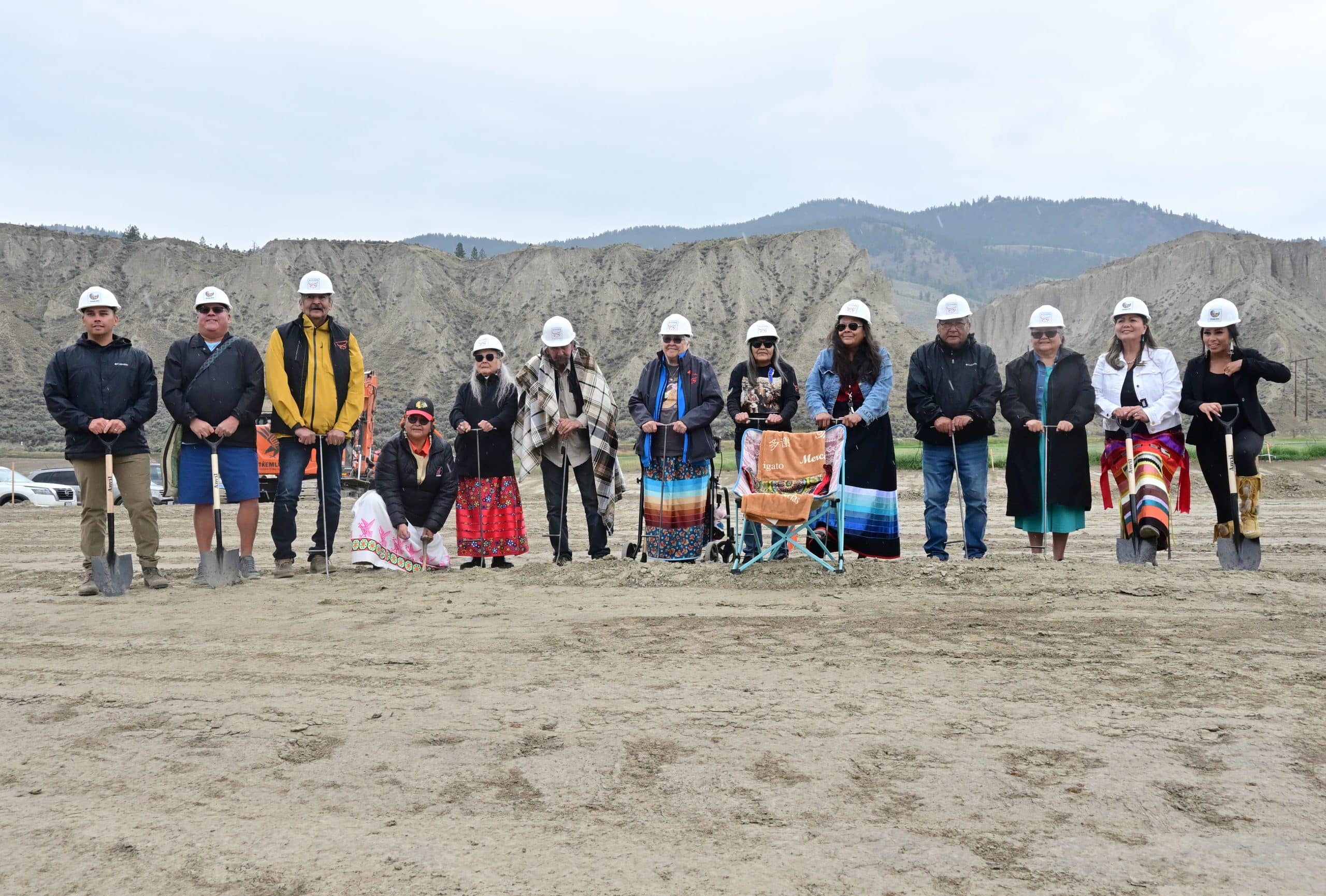
Tk’emlúps Healing House envisions ‘reclamation, resilience and self-determination’
Kúkwpi7 Rosanne Casimir sits down with The Wren to discuss the nation’s $12.5-million project for residential school survivors and descendants.
In depth: How Kamloops sex workers find support through community
‘We are the ones best positioned to say what we need in this industry,’ a sex worker in Kamloops tells The Wren.
‘I wasn’t sure what I was going to do and I was scared’: Kamloops addictions services offer a lifeline
From detox beds to recovery centres and harm reduction, Kamloopsians face a changing treatment landscape.
