
How can we make our gardens more drought resistant?
As gardeners in the Interior face high heat and persistent drought, here’s a list of plants and tips to help plan a drought resistant yard.

Trees and green vegetation, including shrubs, vines, flowers and gardens in your yard play a stronger role in the environment than most people think.
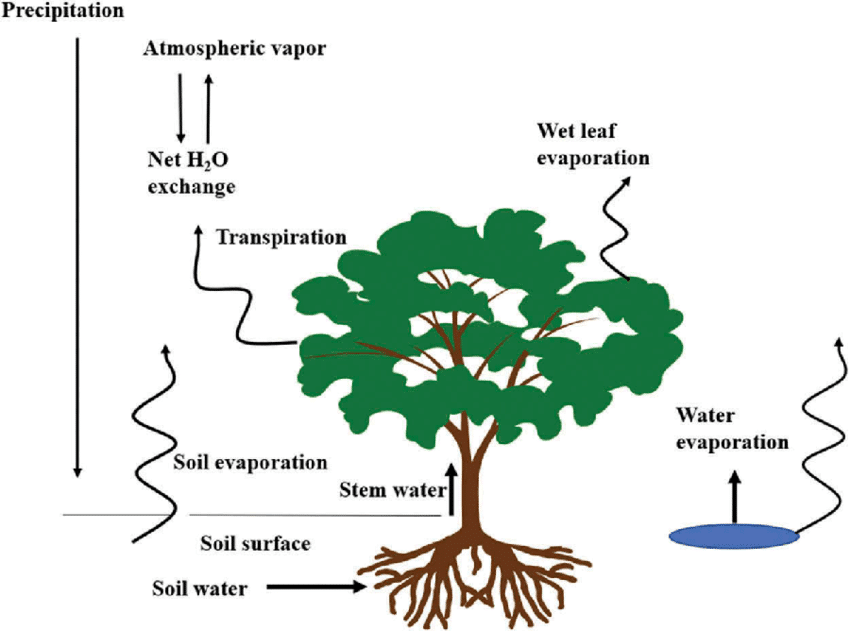
Green space is a lovely addition to yards that looks visually appealing and creates a sense of comfort. However, it also plays a vital part in lowering temperatures by providing shade, retaining moisture and preventing water evaporation from the soil, known as evapotranspiration.
With the ongoing drought concerns and increased water restrictions, some residents have asked: “Is it even worth planting anything this year?”
The answer will vary for most individuals, but there is no better time to start looking at your yard from a new perspective and figuring out how to use the space around you in an eco-friendly way.
In this context, nature or eco-friendly means considering the greater impact of what you’re planting, and trying to help the environment around you instead of adding unnecessary stress to it.
What you plant, where it gets planted and how you take care of those plants are all things to consider when creating an outdoor space where you want to spend time.
The largest threat gardeners face in Kamloops (Tk’emlúps) is the high heat and the chance of drought throughout the season.
Darryl Carlyle-Moses, a professor in the Department of Environment, Culture and Society at Thompson Rivers University, shares some essential tips about conserving soil moisture and retention in your yard.
“Planting drought-resistant plants is paramount in reserving water,” he tells The Wren. “Water the soil, not the leaves of plants or trees. Water held in storage on foliage will simply evaporate and will not contribute to the soil water…. and don’t overwater – water will drain through the soil past the plant root.”
When wondering what you should plant, consider looking at native species. These plants have grown in the area for hundreds if not thousands of years, gradually adapting to the changing environment and establishing themselves in the landscape.
Native species are already vigorously trained to survive in our climate, sustaining themselves in low moisture levels, intense heat and building resistance to pests and disease without the aid of any chemical pesticides or nutrient-rich fertilizers to remain healthy.
Granted, results may not appear immediately in time for this summer season, but by adding plants to your yard now, you’ll experience the benefits firsthand with every successive year.
This drought resistant gardening guide will help you source and identify native and well-established trees, shrubs and vegetable options for this season.
Native plants and where to find them
The Wren chatted with Eden Mackay, a local horticulturist whose work currently focuses on food security and urban ecological health. She shared a few nuggets of wisdom about our area’s ecosystem and naturalistic landscaping, which she describes as “intended to mimic the wild and restore some of the land’s lost ecological function.”
First, you may have limits on what you can plant, depending on where you live.
“All areas outside of the agricultural land reserve that fall within the city limits are subject to municipal bylaws,” Mackay explains. “If you are in a strata, co-op or live in what may be within a homeowners association, those may affect your ability to implement naturalistic landscapes as they may have different standards, in addition to city bylaws.”
Communicating with and educating neighbours about your plans to implement a naturalistic landscape can help get ahead of any potential bylaw calls, Mackay adds.
In areas free of restrictions, there are a few key details to know.
“We’re in this very interesting bio-region, we’re kind of at the very top of the Sonoran Desert, which extends all the way down to like California and New Mexico,” Mackay explains, adding that our ecology differs much from most areas in B.C.
Due to Kamloops’ unique ecology, sourcing native plants can be a task.
“[Some] nurseries don’t carry the stock that is native to this region, and there’s not a lot of people growing it,” she says.
Though popular, wildflower seed mixes often contain non-native species that are invasive such as bachelors button and baby’s breath, Mackay explains.
She encourages those looking to update their yards with native flowers to do their research first by checking the Invasive Species Council of BC for other species to plant.
One work-around for this is to connect with shops that propagate native plants. She suggests Split Rock Environmental, an award-winning nursery owned by the St’at’imc Nation community of Sekw’el’was, located in Lillooet.
You can also reach out to the Kamloops Food Policy Council, a non-profit that facilitates the Kamloops Community Seed Library where Mackay is the facilitator through her position as the Food Sovereignty Coordinator. Those interested can connect with Mackay about the library can email her at seeds@kamloopsfoodpolicycouncil.com.
“Through my work with the seed library, I am working right now to increase our capacity to have more varieties of native pollinator plants,” she says. “So I think right now we’ve got about 10, different locally grown and sourced varieties that we either collect – I’ll hike up into the mountains and collect the seed myself to grow, or we bought some from Split Rock, or got other people who have made donations.”
“We’re also looking for people who would be interested in planting some rescued native plant stock in their spaces and allowing us to come harvest the seed in the fall,” Mackay says.

Drought resistant gardening guide: trees
Aside from the more commonly known facts about trees helping overall air pollution and air quality, there are many more benefits to having trees around your home.
Your trees are essential to the landscape and provide much-needed shade and respite from the heat for your lawn, garden and home. The leaves can shield lawns and garden patches from scorching heat and provide privacy from neighbours or public spaces.
The root systems stretch deep underground and help retain moisture in the surrounding area, prevent water runoff, soil erosion and lower flooding risks. Increasing the number of trees on your property also provides habitat for small animals, birds and insects, benefiting the surrounding environment and overall ecosystem.
“Try to plant trees so that they cast a shadow towards the north or towards the east.” Carlyle-Moses suggests. “This is because the most intense sunlight and heat occur from mid-day to late afternoon when the sun transits from south to west. Having trees planted on the far southern and western portions of a property will generate shade that will best reduce evaporation loss from soil.”
Not only will trees help with shade, but they can also protect your yard by acting as a wind barrier. High winds, as Kamloops is used to seeing, can speed up the evaporation process of water from the soil.
“Try to pick trees and other plants that have smooth bark and have a canopy that is funnel shaped. This will direct more of the rainwater caught by the tree or other plants to drain from the canopy to their bases where it can infiltrate and replenish the soil.”
Some tree species native to the arid Kamloops environment and that thrive in high temperatures and low moisture levels include ponderosa pine (Pinus ponderosa), lodgepole pine (Pinus contorta), american mountain ash (Sorbus americana) and mountain alder (Alnus tenuifolia).
These trees help maintain a rich, biodiverse landscape that promotes local flora and fauna.
However, it is important to note that the pine family can grow quite tall, and it is not suggested to plant them in small yards or to be placed close to other structures or power lines.
First Smart BC also provides landscaping guidelines to increase wildfire resiliency, such as choosing more fire-resistant species of trees like oaks and poplars, keeping tree branches away from structures and ensuring vegetation is kept healthy and free from debris.
Other well-established tree species that are more suburb-friendly include the northern acclaim honeylocust (Gleditsia triacanthos), douglas hawthorn (Cataegus douglasii), amur maple (Acer ginala) and the silverberry tree (Elaegnus commutata). These species tend not to grow as large and are commonly chosen for residential properties for their compact size and appealing foliage.
Drought resistant gardening guide: shrubs
Most shrubs and shrub-like trees can lower noise pollution from nearby roads or busy neighbours, help prevent soil erosion and beautify space with vibrant foliage and flowers.
In addition to planting hardy species, mulching around the base of your plants can help retain moisture in the area and prevent evapotranspiration from the soil during high temperatures.
“Not only does it make many gardens look more aesthetically pleasing, but it acts as a barrier for direct evaporation from the soil surface, Carlyle-Moses says. “The material is not as important as the colour. Light-coloured mulch will reflect more sunlight and thus provide even greater reduction in evaporation loss.”
Some native species of small trees and shrubs include the snowberry (Symphoricarpos), polar bear willow (Salix salicola ‘Polar Bear’), the native variant of the mock orange (Philadelphus lewisii) and the native wild rose (Rosa woodii).
Fruit-bearing native options for those interested in food preservation include red flowering current (Ribes sanguineum), saskatoon serviceberry (Amelanchier alnifolia), thimbleberry (Rubus parviflorus) and oregon grape (Berberis aquifolium).
Drought resistant gardening guide: vegetables
Backyard gardens are a great way to cut down on food costs and fill your space with beautiful plants. Plenty of garden vegetables provide a pop of colour and vibrancy while still being able to survive harsh summer conditions.
Even if we see climate change-fuelled drought rise to concerning levels, gardens can continue to be hand-watered as an exemption to the active water restrictions, and drip irrigation can be used once a week.
Another way to reduce evapotranspiration and retain moisture is to mulch your garden with straw, grass clippings, or wood chips. This, in addition to deep watering, will keep most of the moisture in the soil away from the harsh rays of the summer sun.
Hardy, heat-loving vegetables include beans, peppers, tomatoes, squash, melons and swiss chard. Most root vegetables are also drought tolerant and heat resistant, with the best options being carrots, beets, potatoes, parsnips and onions.
Further reading
Great resources to consider when planning your greenspace are:
The Grow Me Instead guide provided by the Invasive Species Council of BC
The Xeriscape Plant Selector provided by the City of Kamloops
The FireSmart Landscaping Guide provided by FireSmart BC
Happy planting!
The Wren is a community driven local news outlet. Your questions and ideas help guide what we dig into. Your feedback after we publish a story helps ensure we're always improving our reporting to better serve you
What do think about this story?
Author

Related Articles

This Tk’emlúps midwife is helping improve reproductive health care access in Secwepemcúl’ecw
With ongoing barriers to maternity and reproductive care, Kamloops-area midwife Sage Thomas believes her profession can provide a continuity of care for families.

Bringing colour and connection to Kamloops: How public art came to be
Ever wonder what brought all the murals to downtown Kamloops? Here’s what local organizations have done behind the scenes to bring public art to the city’s walls.

Kamloops trans rights advocates call for B.C. politicians to ‘stop using the lives of marginalized people as an opportunity to play political games’
After Kamloops MLAs voted in favour of debating an anti-trans bill, community members called for the protection of trans rights.
