

Content warning: This story mentions overdose, substance use, the toxic drug crisis and death. Please read with care. To connect with your local mental health or substance use centre, call 310-MHSU (6478).
“Everybody likes to talk about the visible poverty and the crime that they see downtown,” remarks Greg Unger, manager of the Kamloops Farmers’ Market.
Unger also works with Interior Community Services, overseeing the community gardens program. He has witnessed all kinds of stigma targeted at people experiencing homelessness, which often points blame at individuals for crime and substance use rather than structural issues like poverty, lack of affordable housing and mental health care.
Addictions service and resource providers in Kamloops share a different perspective, stemming from their lived experience working with people who use drugs.
Sean Marshall, executive director of Blue House Recovery, has seen change take place in real time when neighbours stop by their site, not far from downtown Kamloops.
“I’ve had people that come by the house, and I give them a house tour, and they meet some of the guys… they’re quite shocked.”
Many share sentiments that those in the house don’t “look like drug addicts or alcoholics,” to which Marshall responds, “What does a drug addict or alcoholic look like to you?”
“Nine times out of 10, it’s the person living in tent cities,” he hears.
In reality, the Blue House has provided treatment to people from all walks of life and socioeconomic backgrounds. Past clients have held masters degrees and been business owners.
“It’s not just street entrenched people that are homeless, or at-risk of being homeless, that are using drugs.”
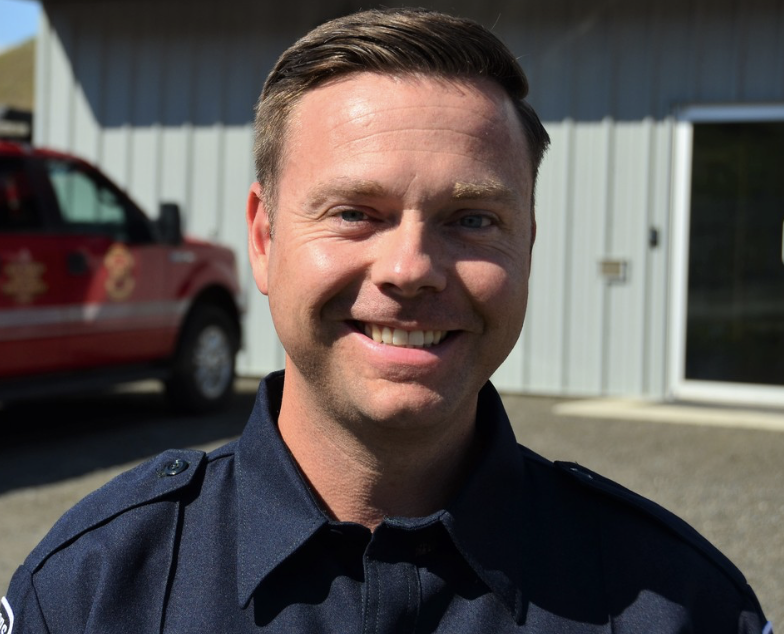
Darlene Webb, director of health and recovery services at ASK Wellness, dispels these claims as well, underlining the “cross-section of people” they serve.
“A very common theme we see is people get injured somehow through a sport or work accident and they’re prescribed opioids as pain management and then a dependency develops,” Webb says.
Webb explains that when a doctor stops prescribing pain medication out of fear of dependency, this can send people to the illicit market “all because they’re in pain.”
“There’s plenty of pretty successful people that have come through here, they are still struggling and need these supports,” comments Jaxson Stead, coordinator at ASK Wellness.
There is a persistent myth that addiction is a choice, when in reality it is an illness, ASK Wellness’ Jessica Seeney reminds The Wren.
For instance, research links adverse childhood experiences — potentially traumatic events like abuse, neglect or family dysfunction — with a higher likelihood of using maladaptive coping strategies like substance use later in life. At the same time, resiliency factors like healthy adult mentorship and academic achievement can mitigate these risks.
“Everyone’s coping mechanisms are different,” explains Trevor Starchuk, a student of social work with lived experience of drug use and recovery and founder of the Loud Voice Society. “The toxic drug crisis is actually a trauma crisis.”
Siân Lewis, executive director of Day One Society, also disagrees with the assumption people using drugs are unhoused or criminals.
The majority of people Lewis has interacted with who are struggling with substance use disorders are using behind closed doors. “We don’t have our spotlights on them,” she says.
People who are visibly struggling with poverty may be using substances as a coping mechanism, just the same as people with housing, Lewis adds.
“The guy sitting on the park bench, if he’s not harming himself or harming somebody else, where’s our rationale for forcing him into a treatment program?”
“They just happen to be unfortunate. They’ve come up through experiences which have led to poverty and being disenfranchised. And then on top of that, they choose to use substances like many, many human beings,” Lewis says.
“The fact that they are using substances is no different than anybody else using substances, it’s just that they are a much easier target.”
“I really don’t think I could have mentally prepared for the general public opinion of folks who visibly use substances in a specific way,” remarks a Kamloops therapist, community-outreach worker and group facilitator. The Wren is not including their name to protect their employment.
“When it’s substance use and homelessness, or substance use and visible street-use combined — the stigma here is absolutely out of control.”
As Marshall points out, “I don’t think there is a family out there that addiction doesn’t affect one way or the other.”
If you or someone you know is struggling, visit HelpStartsHere.gov.bc.ca
You can also visit the Interior Health Authority’s Mental Health and Substance Use Services
So do we. That’s why we spend more time, more money and place more care into reporting each story. Your financial contributions, big and small, make these stories possible. Will you become a monthly supporter today?
If you've read this far, you value in-depth community news


