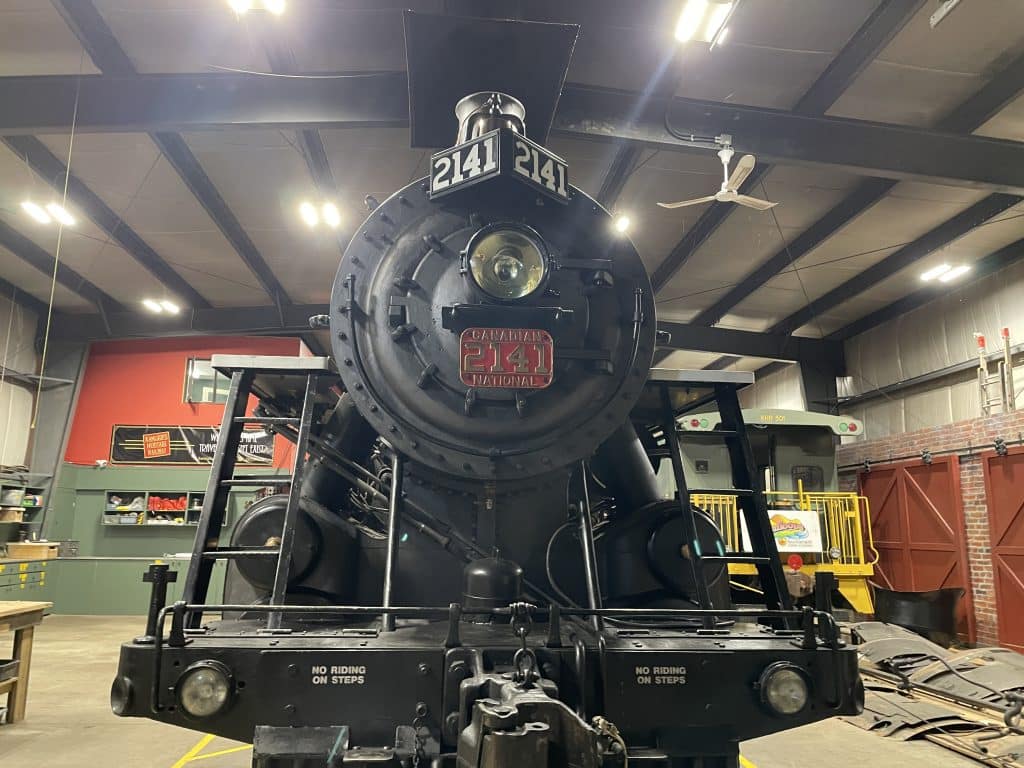
The Kamloops Heritage Railway Society (KHRS) is getting back on track with the revitalization of Train 2141, a project that has been ongoing since last year.
The hope is to offer experiences that provide a peek into the history and life of Train 2141 by the end of the year. KHRS’ leader of railway development Jordan Popadynetz and director of backshop operations Max Simons, are hard at work breathing life back into the locomotive.
Simons has been a volunteer with KHRS since 2020. He is an electrician by trade but has devoted his time to getting Train 2141 operational again. He has worked on everything from modern industrial machines to heritage equipment. For him, working on the locomotive is a combination of passion, experience and problem solving.
The engine of the train is 113 years old, making it a bit more complicated to work on.
“Basically, the majority of the major working components are all just as they were way back in 1912,” Simons tells The Wren. “So it’s not just doing routine maintenance. We’re having to do a full blown rehabilitation of a historic steam locomotive, and it hasn’t had this level of work done in quite a long time.”
There are 2,000 feet of track in downtown Kamloops the train can run on, and the hope is to utilize it for events, journeys and more.
“I would love to see guests back on board this year by December, and I think that we can do it,” Popadynetz says. “There’s a lot of work to do.”
History of the Train 2141
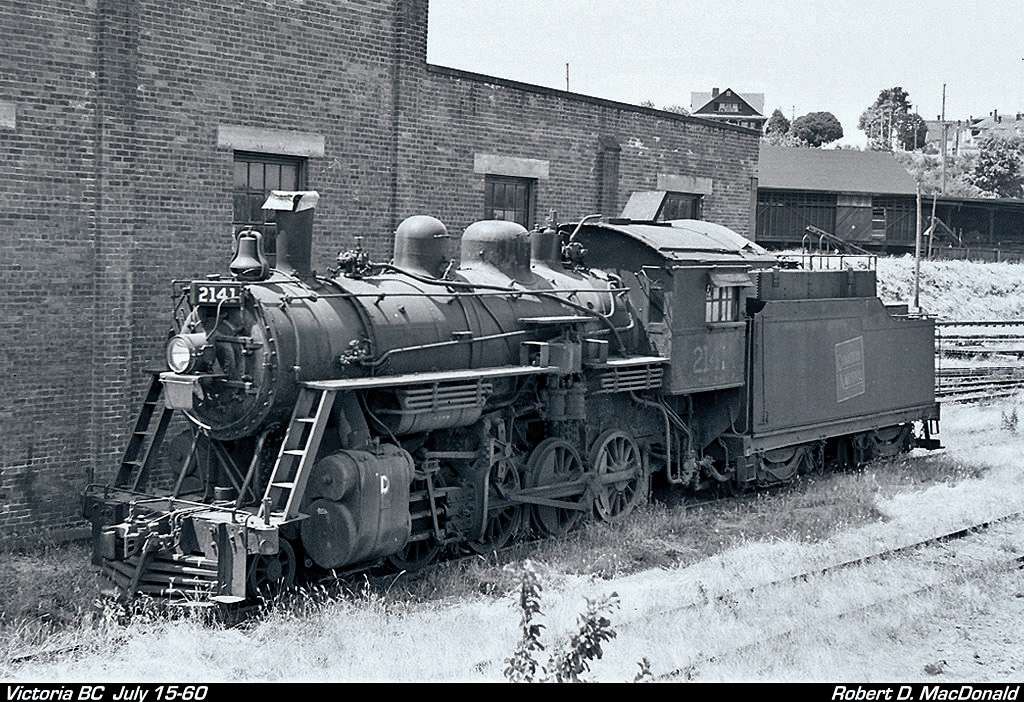
The train was built in Kingston, Ont., and released around the time of the Titanic’s sinking in April of 1912. From then until 1948 it was mainly used in the eastern part of Canada.
It was converted to burn oil instead of coal and moved to Vancouver Island in 1949, where it hauled freight until 1958. By that time steam engines were outdated technology and at risk of being scrapped, a fate that would have befallen Train 2141 if it was not for Kamloops mayor Jack Fitzwater, Popadynetz explains.
“[Fitzwater] talked to [Canadian National Railway] for three years,” he says. “After three years of persuading and negotiating, CNR presented the locomotive to the City of Kamloops for $2,000 which is equivalent to about $16,000 today.”
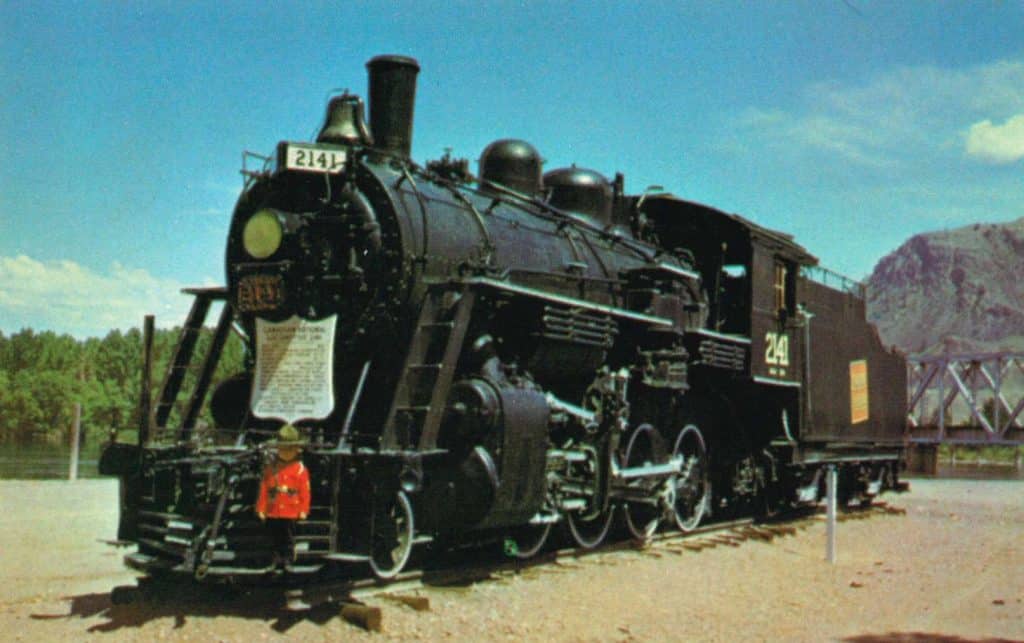
On October 29,1961, Train 2141 train was towed by rail through the Thompson Canyon to Kamloops, where it was presented to Fitzwater in a ceremony at Riverside Park. It stayed on display for the public as a commemorative piece from 1961 to 1994.
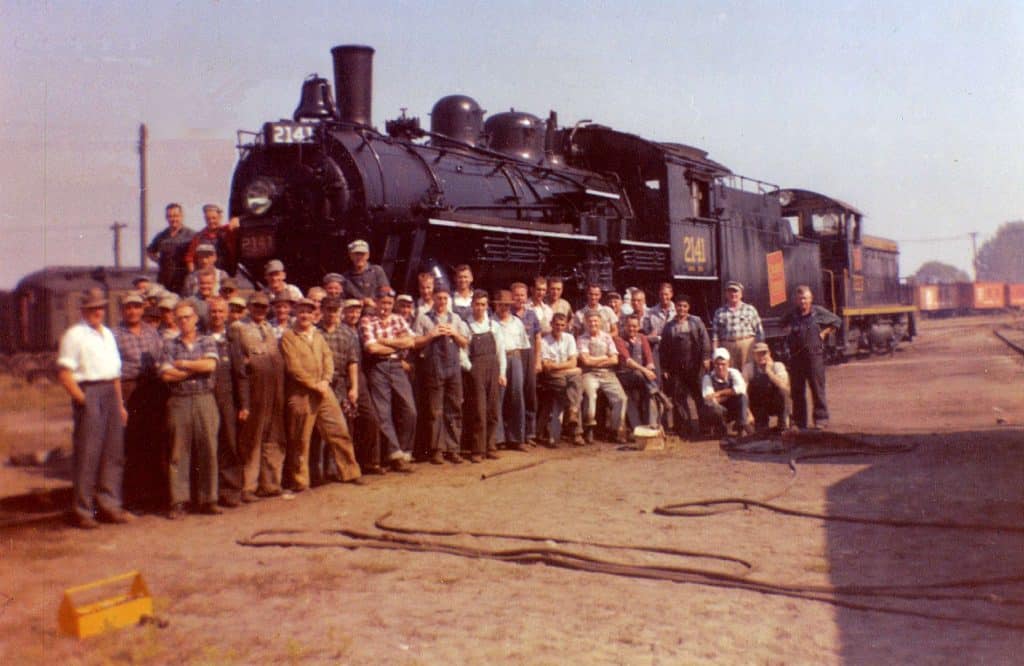
“There was no fence around it, so kids played all over it,” Popadynetz says. “People dried their beach towels on it. It fell into disrepair. People vandalized it, the city painted it and put flowers around it.”
The city tried to maintain the locomotive, but in 1993, after 33 years of weather and vandalism, the train was set to be sold to a group in Alberta to be restored as a tourist train.
Local railway enthusiasts in Kamloops learned of the potential sale and held an emergency meeting to seek ways to keep the train. Because of this interest shown by the enthusiasts, the city decided to keep the train and ideas of restoration started to surge.
An inspection of the boiler showed it was in good condition and suitable for operation.
In February of 1994, the 2141 Steam Locomotive Restoration Society, later named Kamloops Heritage Railway Society in 2002, was formed with the goal to restore and operate the train on behalf of the City of Kamloops.
Trucks and large cranes were needed to lift the locomotive into a section of the track from its original place in the waterfront section of the track.
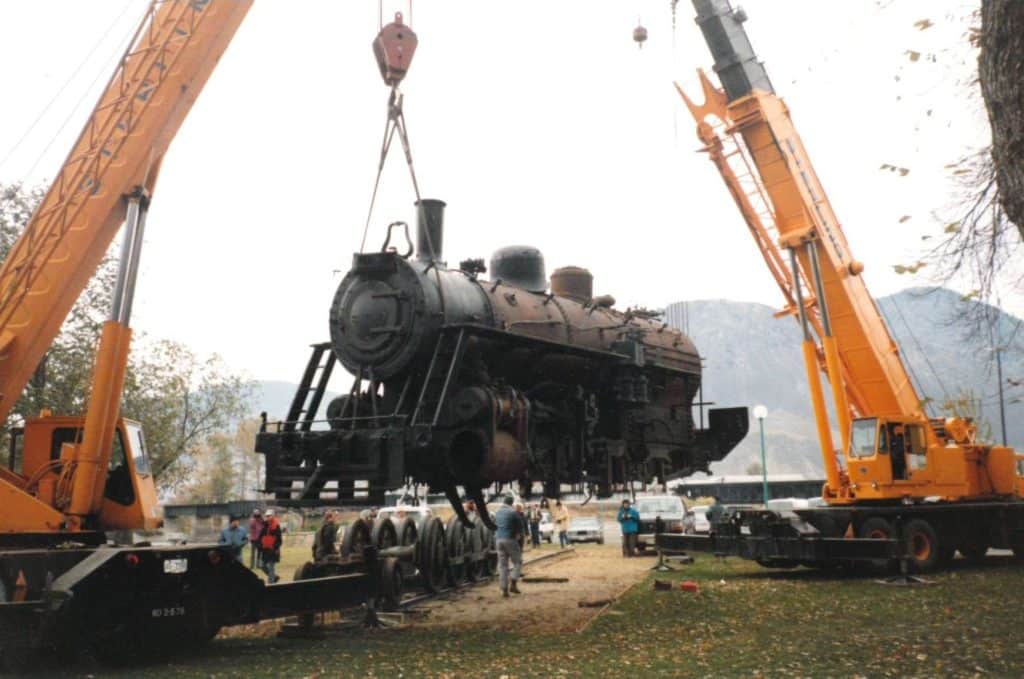
From 1994 to 2002 the train underwent restoration thanks to 120,000 volunteer hours.
KHRS and CNR worked collaboratively and began planning to operate 2141 as a passenger train on 105-territory track within the city limits.
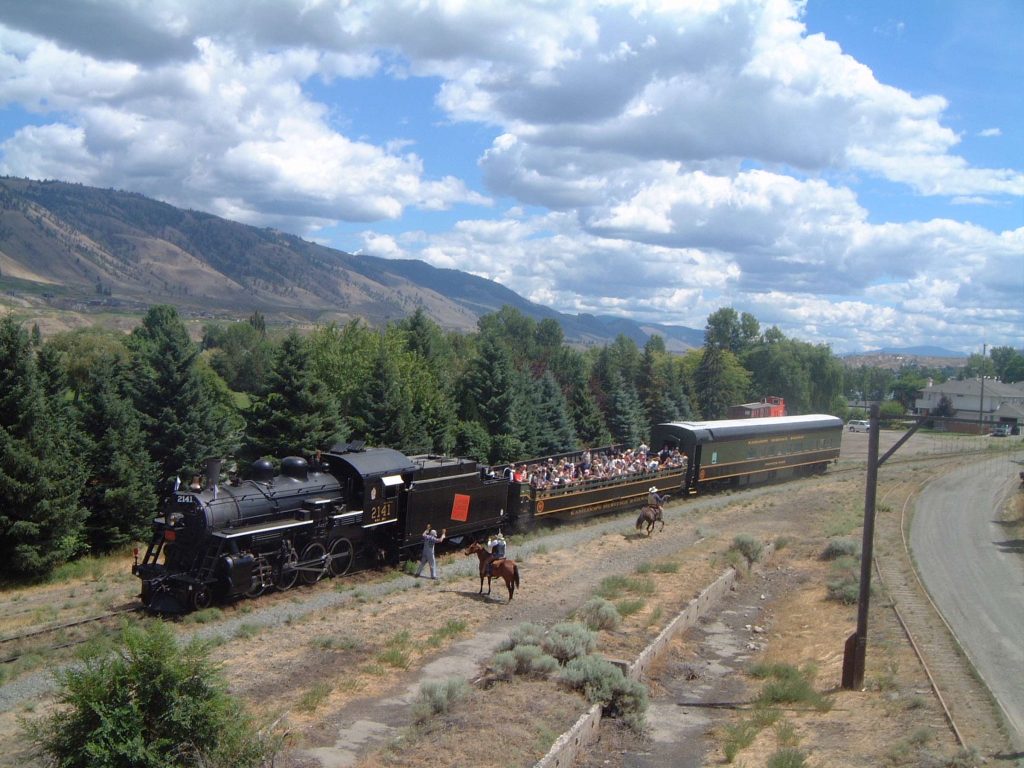
In June 2002, the train carried its first passengers on the railtour called Spirit of Kamloops. During the inaugural season the train carried over 10,400 passengers on 96 trips with a Bill Miner train robbery reenactment.
Bill Miner was a criminal on Canada and the U.S. border. Also known as “The Grey Fox” and “The Gentleman Bandit,” he was the first bandit to use the phrase “Hands up!”
In 1904 and 1906, Miner robbed trains from the Canadian Pacific Railway in B.C.
“All the trips were always sold out,” Popadynetz recalls. “We’d leave from the downtown station on Lorne Street, and we’d go over the trestle to the CN junction and back over the Tkemlups reserve.”
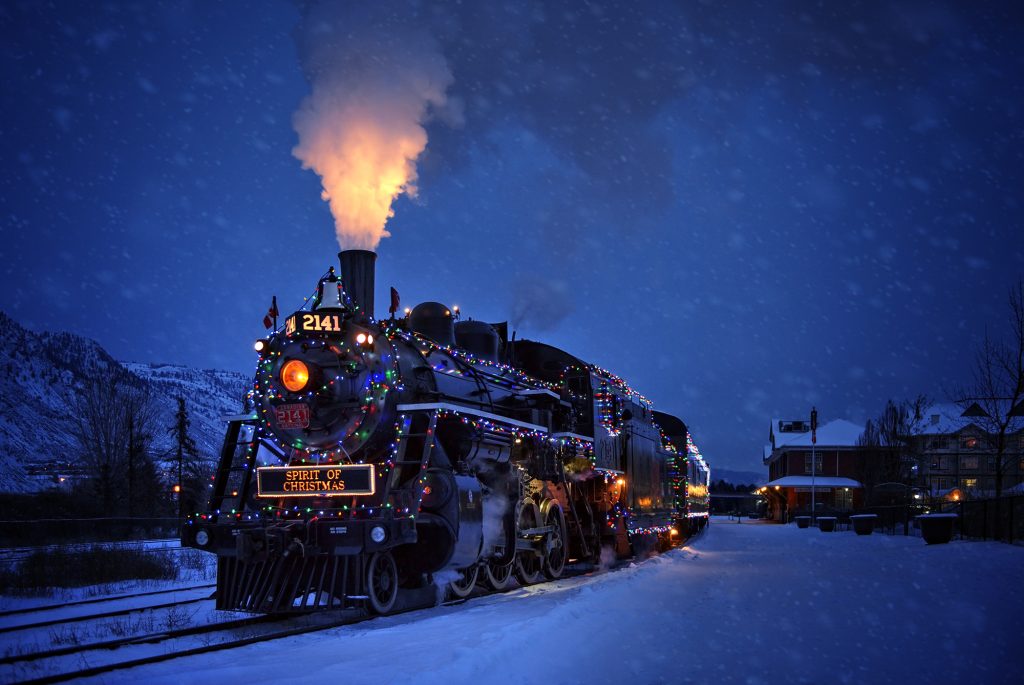
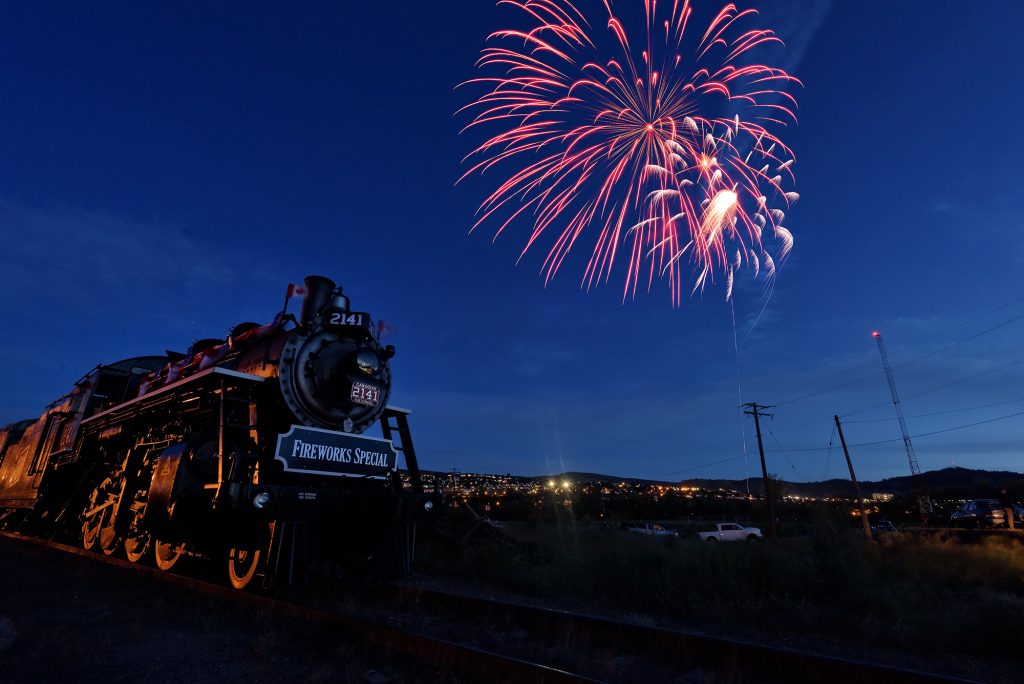
More trips were later added, including a ghost train, a Christmas train and the fireworks special, as well as the Armstrong Explorer, a journey to Armstrong and back to Kamloops.
The Ales and Rails tour, featuring beers from Iron Road brewing and the Sip and Steam Wine train with wine from Monte Creek Winery incorporated local products.
In 2020, the COVID-19 pandemic had a huge impact on the operations of the train.
“At the same time, a contract was reached between CPKC and CN Rail to ship coal through downtown Kamloops on the line we use,” Popadynetz explains. “It congested the line too much to accommodate the steam locomotive and its trade.”
Afterward, for three years KHRS created a museum out of the train.
“The society – pun intended – lost steam,” Popadynetz says. “It came to the point where we had to form a new board and inject it with some fresh energy and ideas, and really aim for the stars.”
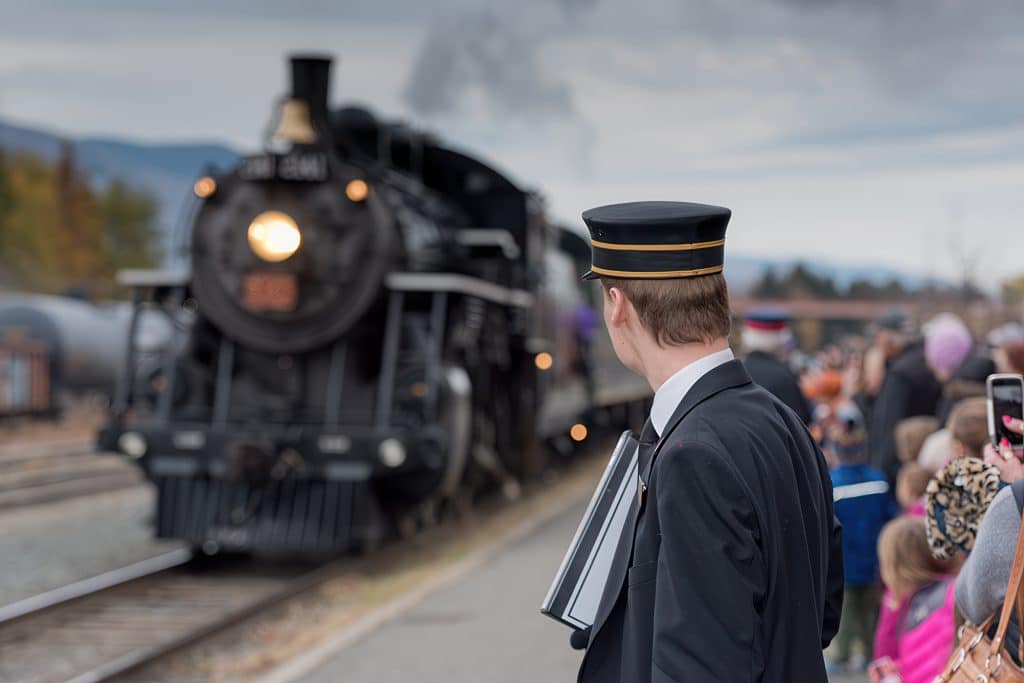
What is happening to the train now?
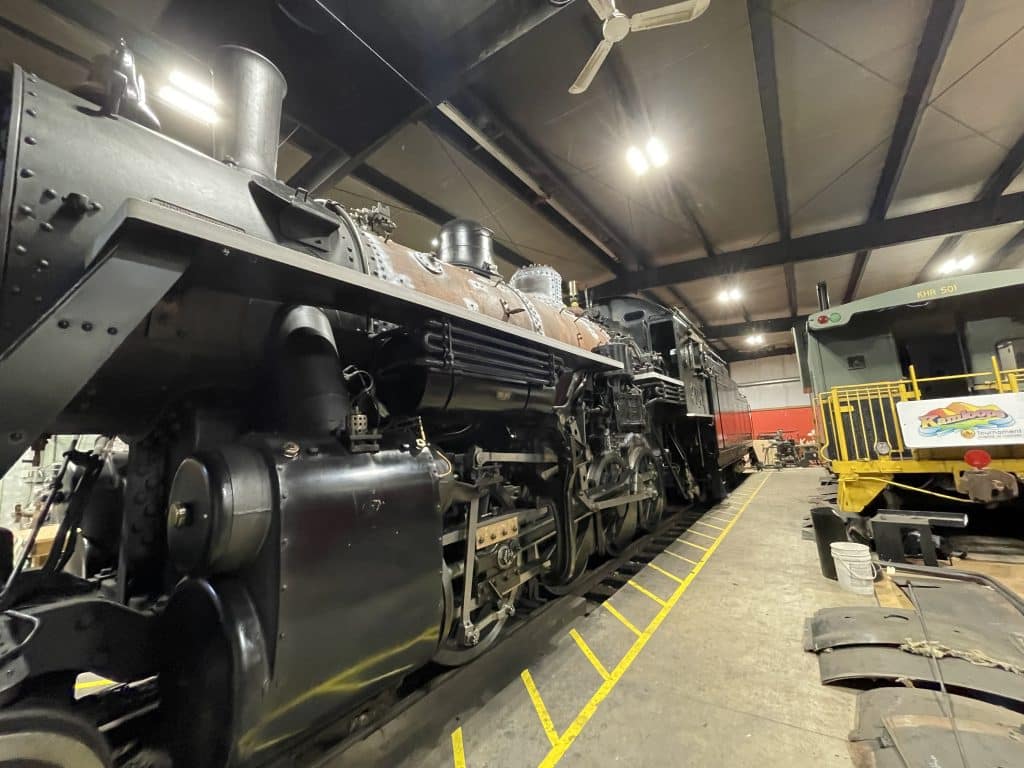
After a new board of directors was established in 2024, the society started activating the train again.
“The train has to meet all of the modern safety standards that a modern train would have to meet,” Popadynetz says. “It’s a huge undertaking.”
The boiler, which creates the steam, has to be safe and approved by governing bodies like Technical Safety BC and Transport Canada in order for the train to be operational again.
“The boiler is a gigantic pressure vessel. It’s the heart, and it’s the lungs of the entire engine,” Simons says.
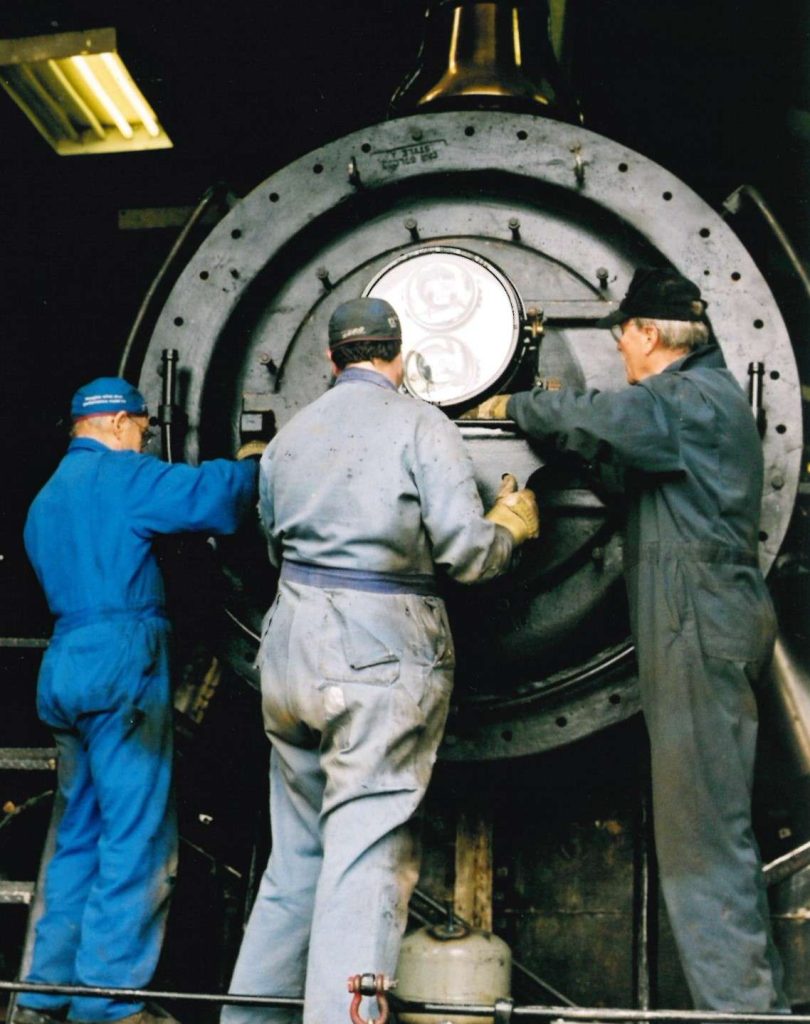
“We’ve opened her up. We’ve done a very thorough inspection of the engine,” Popadynetz adds. “It cost just under $40,000 due to the inspection, and we’ve poured into the maintenance of the locomotive just shy of 3,000 volunteer hours.”
To get the boiler re-certified they had to strip the machine down “right to the bare metal,” Simons explains.
An engineering team from Kelowna came to Kamloops to do non-destructive testing on the boiler, but there are still some final tests and details to finalize.
While complicated, the work has been rewarding Simons shares.
“There’s no manuals that we can just go on the internet and download. So a really big part of the challenge is reverse engineering and figuring out the way something was built.”
In addition, the parts of the locomotive can be hard to find and the majority do not exist anymore.
“A lot of the components that we need to get rebuilt, we have to do it from scratch, or they have to be re-imagined,” Simons explains. “That goes for the electrical, the mechanical and everything. It’s definitely a puzzle, but it makes it rewarding. It’s a really good challenge for us.”
A lot of the work Simons has done on the train has been by reviewing old drawings, along with working with other skilled people.
“When you spend years trying to figure out how to keep weird or old, broken things running, you build the kind of mindset that this kind of project needs. It’s not just about skill. It’s about patience, creativity and respect for the machine,” Simons says.
“Old machines that aren’t used anymore, there’s just a certain magic about them. They have character, they almost have a bit of soul. They’re just different from everything these days.”
All of the work that has been done on the train has come from volunteers in the community, and Popadynetz says this project means a lot to the Kamloops community.
“Myself and our board, we’ve shared tears here. We’ve had people share tears with us, [who are] very emotional, very excited about the return of this train. And I think that is due to the fact that this locomotive in particular has touched not just one generation of Kamloops residents, but many generations.”
“We’ve got a lot of really good people that are working on this project, some incredibly talented people,” Simons adds. “All together, we all care deeply about keeping this history alive.”
For updates on the train visit KHRS’ website or social media.
So do we. That’s why we spend more time, more money and place more care into reporting each story. Your financial contributions, big and small, make these stories possible. Will you become a monthly supporter today?
If you've read this far, you value in-depth community news