Content Warning: This following section discusses deaths at residential “schools” and denialism. Please read with care.
As a member of Discourse Community Publishing, The Wren uses quotation marks around the word “school” because the Truth and Reconciliation Commission found residential “schools” were “an education system in name only for much of its existence.”
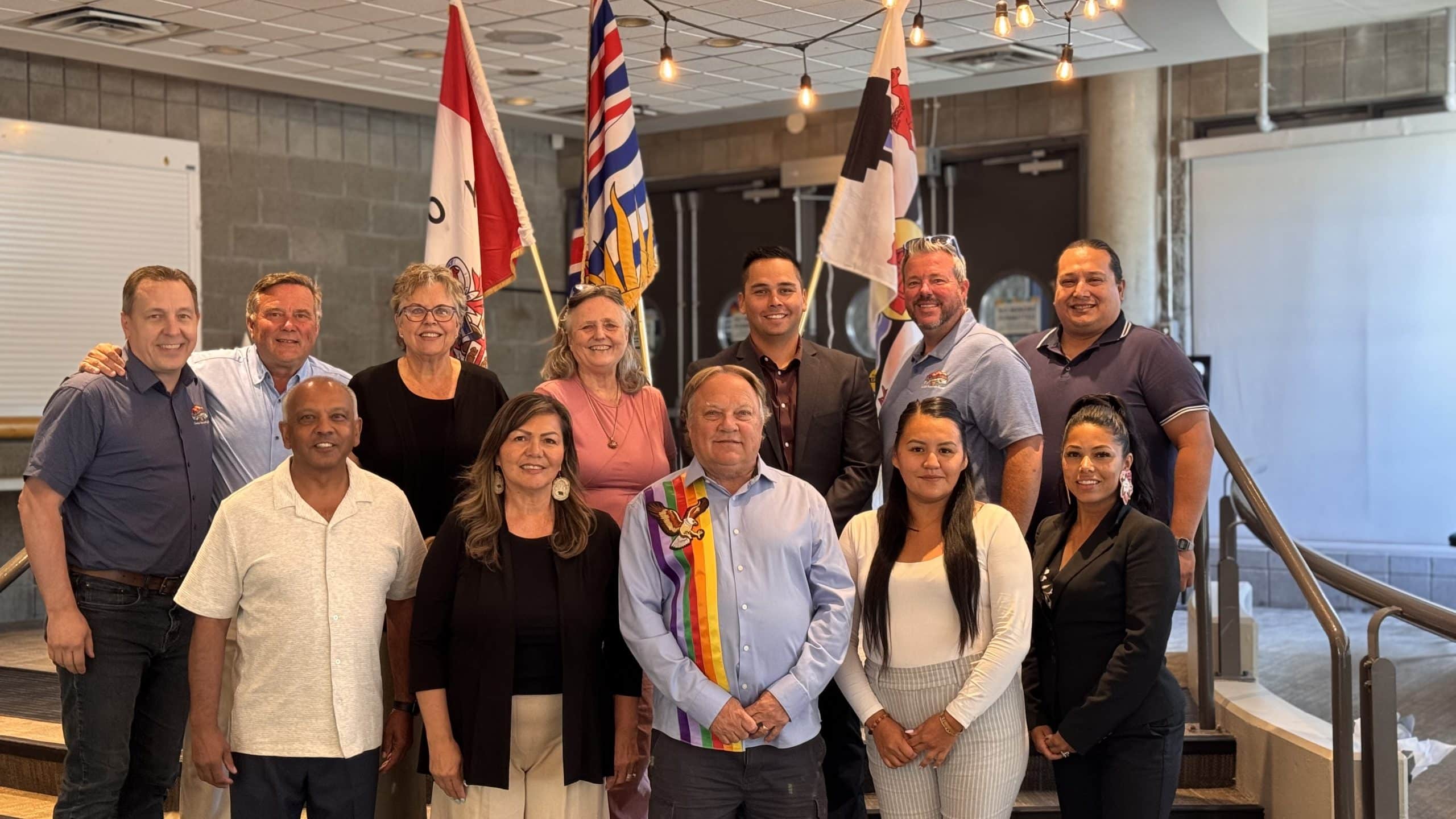
On Nov. 18 Kúkwpi7 Rosanne Casimir moved a resolution to the BC Assembly of First Nations calling for the resignation of Member of the Legislative Assembly Dallas Brodie for allegedly violating the BC Legislature’s workplace guidelines and action plan for reconciliation.
In a letter, Casimir stated Brodie’s actions within and outside the legislature use “public funds to create and distribute residential school denialist sentiments and anti-Indigenous rhetoric.”
Brodie was removed from the B.C. Conservative Party caucus in March for stating on X “the number of confirmed child burials at the former Kamloops Indian Residential School site is zero.” Now as the MLA for Vancouver-Quilchena and leader of the new OneBC political party, she has doubled down on these statements.
This rhetoric is “harmful and misleading,” Casimir stated in the letter posted online, given the extensive “archival and testimonial evidence of atrocities committed at residential schools.”
Casimir added that another false narrative advanced by Brodie, that Tk̓emlúps te Secwépemc will “take over Kamloops and residents’ homes,” misrepresents the Aboriginal title case filed in 2015 by the Stk̓emlúpsemc te Secwépemc Nation.
This case seeks recognition of existing title rights “and not eviction of homeowners,” Casimir said.
The intention is to “strengthen collaboration with all those who share our lands and communities,” Casimir stated.
Many legal experts agree that Aboriginal title and fee simple title can co-exist.

The Wren reached out to Brodie for comment but received no response.
Casimir closed calling for accountability, as statements like these can cause real harm and threaten the safety of Indigenous peoples.
“True reconciliation requires meaningful action, and that includes standing up against racism wherever it appears and specifically within political institutions,” Casimir stated.
“I express deep gratitude to the City of Kamloops, its businesses and its residents who continue to lead by example and stand firmly for the principle that hatred is not welcome here.”
Over the last few weeks, the new far right political party OneBC has organized various events across the province, including Kamloops.
On Nov. 12, the party hosted an event at Thompson Rivers University (TRU) titled “Where are the 215 bodies?”
Speakers included Frances Widdowson, a former Mount Royal University professor who was fired for making denialist comments on Canada’s residential school system, and OneBC party candidate Jim McMurtry, who was similarly fired from teaching in a public school. Other speakers included OneBC MLAs Dallas Brodie and Tara Armstrong.
Far right media traveled with them including Rebel News and True North – two online, opinion-based media outlets actively fundraising to produce content that challenges the findings of the Truth and Reconciliation Commission (TRC) commission.
To see the event first hand and ask questions, The Wren showed up too.
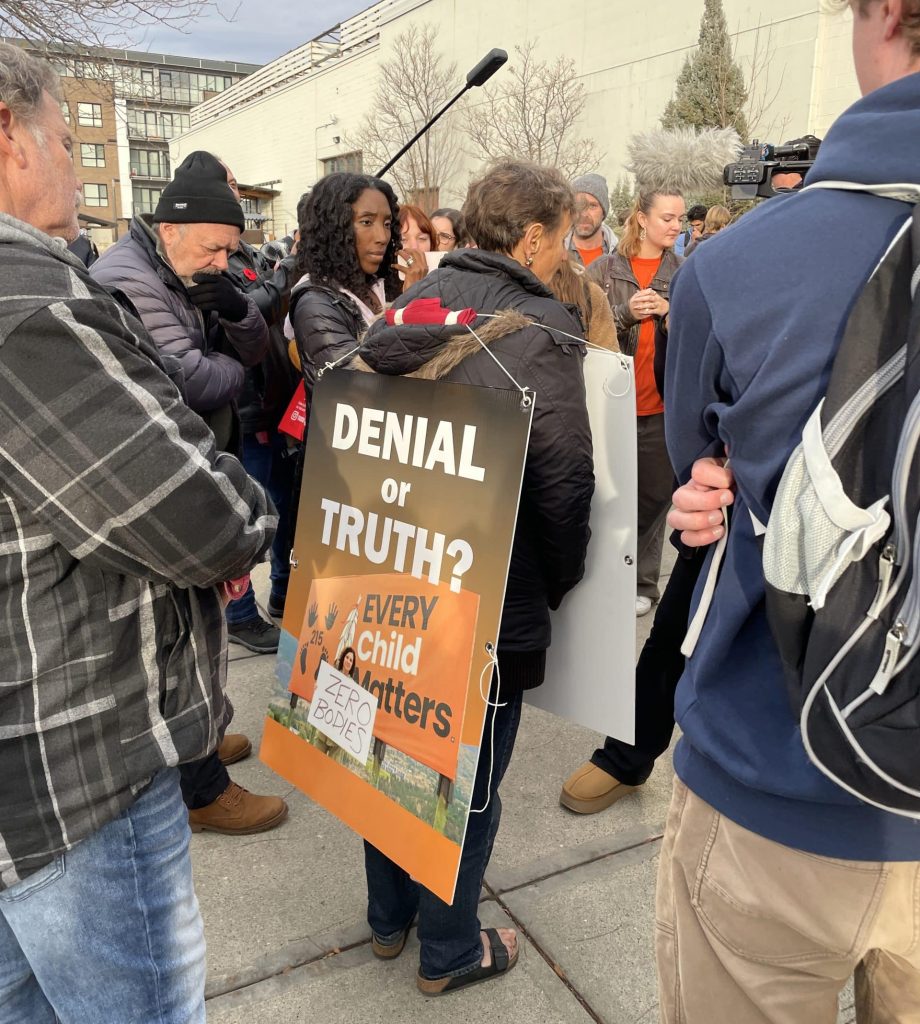
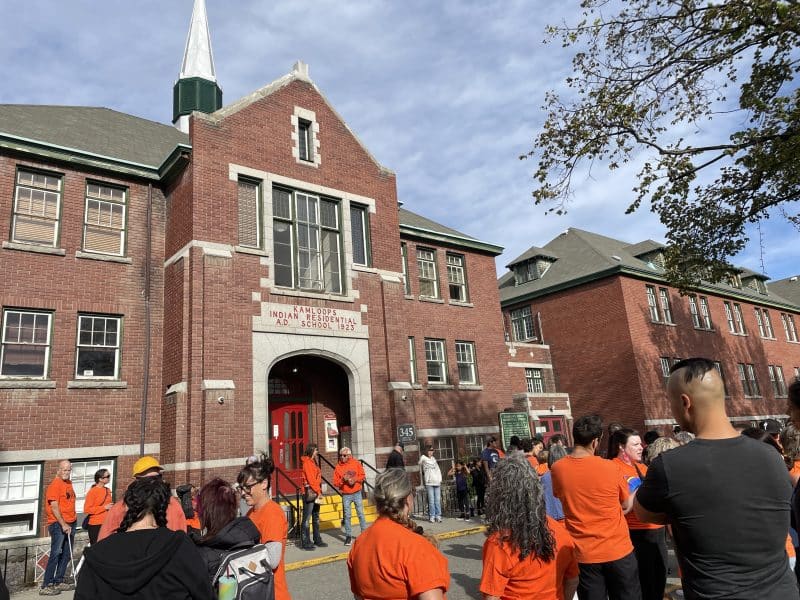
The organizers questioned the existence of the 215 unmarked graves at the Kamloops Indian Residential School (KIRS) site, arguing that because no bones have been exhumed, they do not exist.
Another comment was that residential “schools” were good for Indigenous peoples and they did not hurt anyone.
As local archaeologist Celia Nord wrote on social media in response to the event, the TRC has already named nearly 90 victims of KIRS.
“Why do non-Secwépemc people feel they need to dig anything up?” she wrote.
These early investigations rely on historical RCMP, church and government records that are known to be incomplete, in addition to extensive testimonials from survivors.
In many cases, the names of children who died while attending residential school aren’t known or recorded and “many relevant documents that have yet to be reviewed,” according to the TRC.
For this reason, Canada’s special interlocutor on residential school gravesites reported Canada is only beginning to fully investigate deaths at these institutions, emphasizing the importance of funding Indigenous-led research.
“Canada cannot independently or impartially investigate its own wrongdoing, especially in the context of the government’s deeply ingrained culture of impunity for past and ongoing violence and human rights violations against Indigenous people,” the report states.
TRU clarified to various news media in Kamloops this event was unwelcomed and the university had no involvement in it.
Students showed up to challenge the speakers’ inaccurate and harmful statements about Canada’s residential school program and also asked them to leave the campus. Members of the Indigenous faculty came out to combat their speech as well.
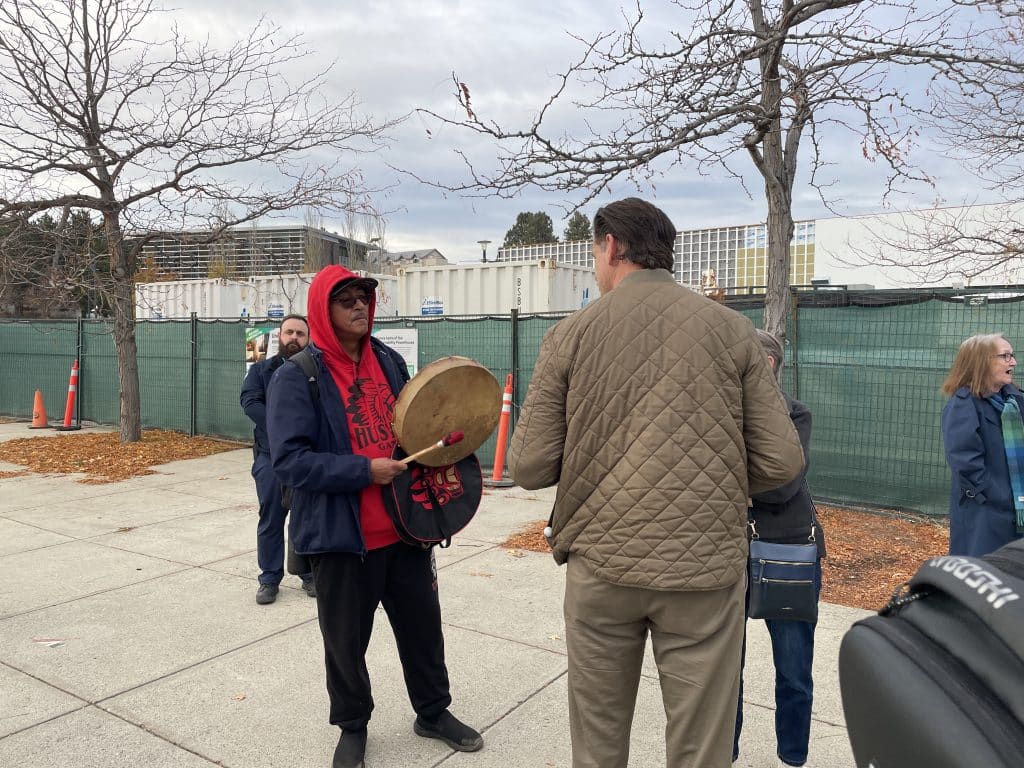
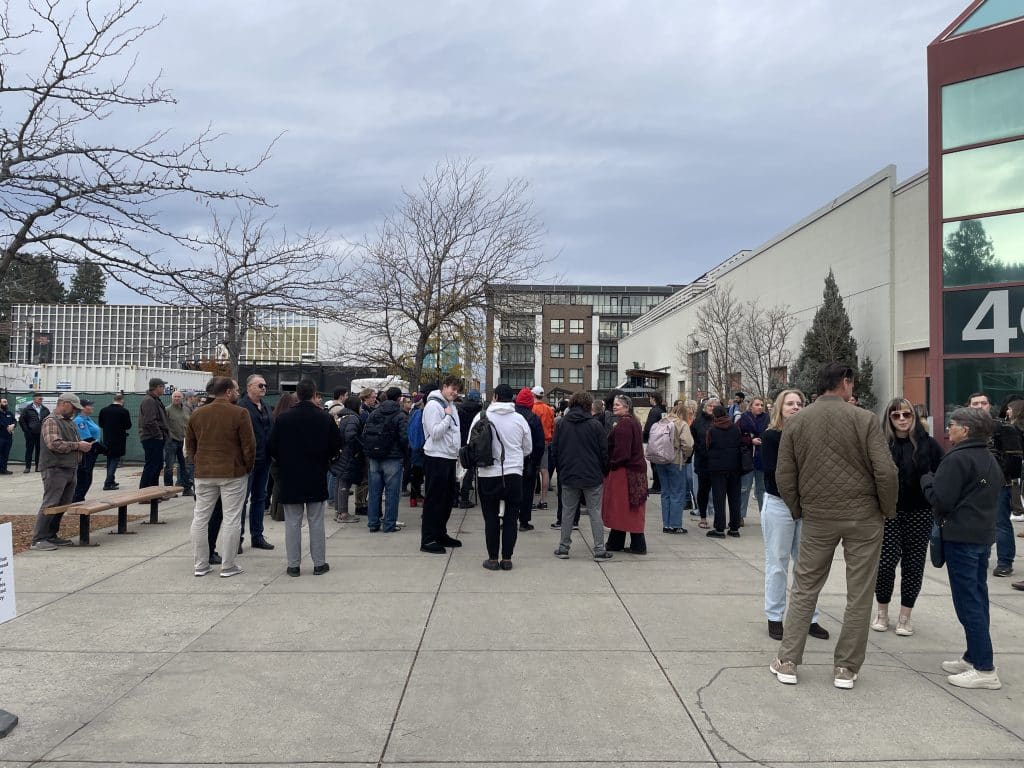
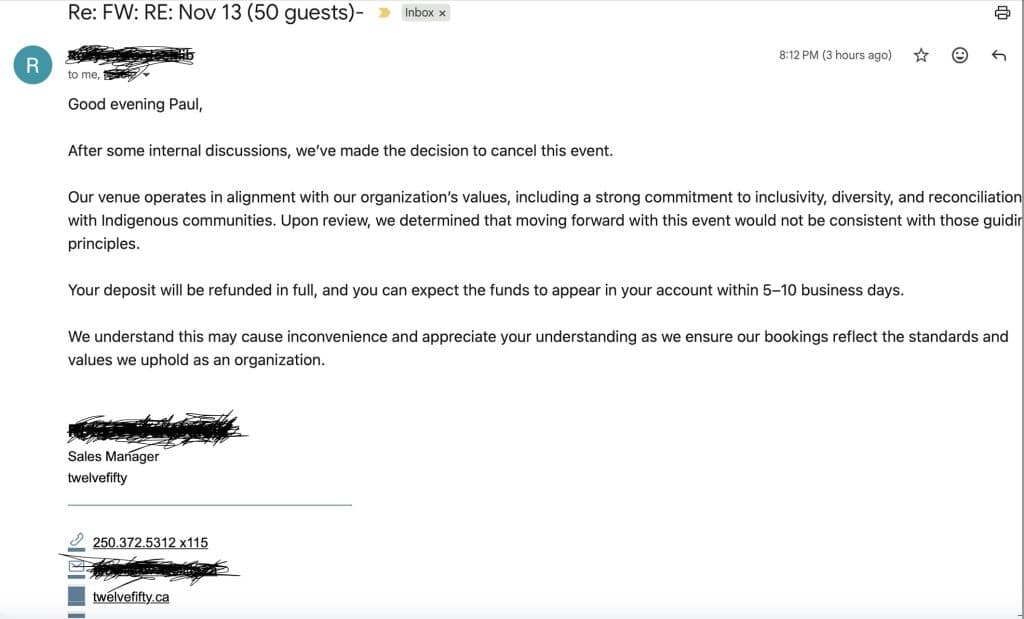
Another event was organized in Kamloops on Nov. 13 as a “Meet and Greet” where Brodie would discuss Aboriginal title claims and other topics. This event was supposed to be hosted at a hotel in Kamloops but on Nov. 10, Coast Hotels’ management cancelled the party’s booking, citing its “strong commitment to inclusivity, diversity, and reconciliation with Indigenous communities.” As Radio NL reports, the event eventually took place outdoors.
Across Canada, the movement of residential “school” denialism keeps growing, exploiting the “deliberate, careful pace of ground searches and archeological work,” researchers point out. “Confronting denialism is an ethical and shared responsibility.”
So do we. That’s why we spend more time, more money and place more care into reporting each story. Your financial contributions, big and small, make these stories possible. Will you become a monthly supporter today?
If you've read this far, you value in-depth community news