
These nursing students are helping create a mental health guide for 2SLGBTQA+ Kamloopsians
Third year Thompson Rivers University nursing students have partnered with Kamloops Aboriginal Friendship Society and Kamloops Pride to develop a culturally responsive mental health guide for Indigiqueer Two Spirit 2SLGBTQA+ individuals.
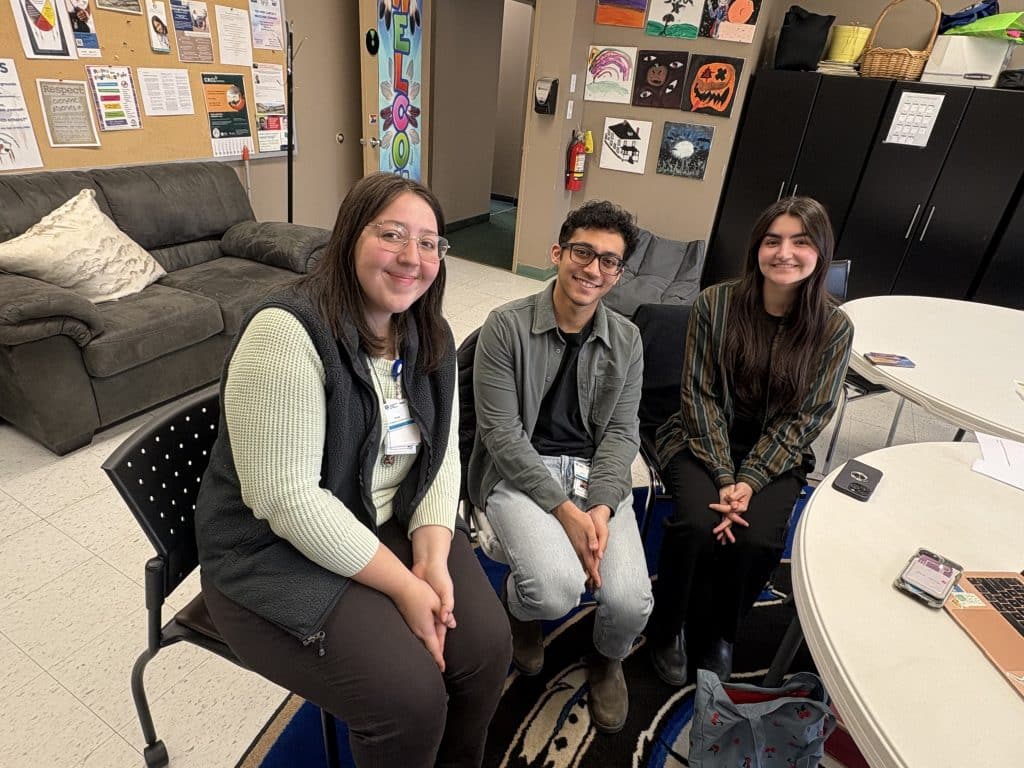
For Indigiqueer Kamloopsians accessing health care, they may encounter stigma due to either marginalized identity.
“People are just not reaching out, not accessing health care, because of stigma,” said Clara, a volunteer at The Loops Sex Work association who spoke to the barriers that Two Spirit/Indiqiqueer 2SLGBTQA+ individuals face at the Kamloops Aboriginal Friendship Society.
The round table discussion was organized by three third-year nursing students who are working to develop a mental health resource tailored specifically to Indigenous and Two-Spirit LGBTQA+ individuals in collaboration with Kamloops Pride.
With the support of Kamloops Aboriginal Friendship Society, the group is reaching out to Indigenous and queer folks in Kamloops to learn how to better serve people in these marginalized communities by gathering their input for their resource guide.
“It was especially important to reach out to Kamloops, specifically, because we could go online and get information, but it wouldn’t be as specific to the Kamloops region,” nursing student Jameel Alii told The Wren.
Numerous reports and studies have looked at the systemic causes of violence against Indigenous women, girls, men, boys and 2SLGBTQA+ people as they seek support from public services in Canada.
When it comes to health care, these include the legacy of residential schools contributing to higher rates of certain illnesses as well as racism and biases from health care providers themselves.
Having a deeper understanding of Indigenous culture and history can help health care workers and the community better understand the intersectionality that marginalization this community faces.
Culturally relevant and safer spaces can help Two Spirit/Indigiqueer 2SLGBTQA+ people feel more comfortable to reach out and get the support they need. Culturally responsive mental health resources can help point them in the right direction.
The group of third year Thompson Rivers University (TRU) nursing students emphasized sovereignty and the need to incorporate the needs and wants of the community in the guide, plus making it accessible to local people.
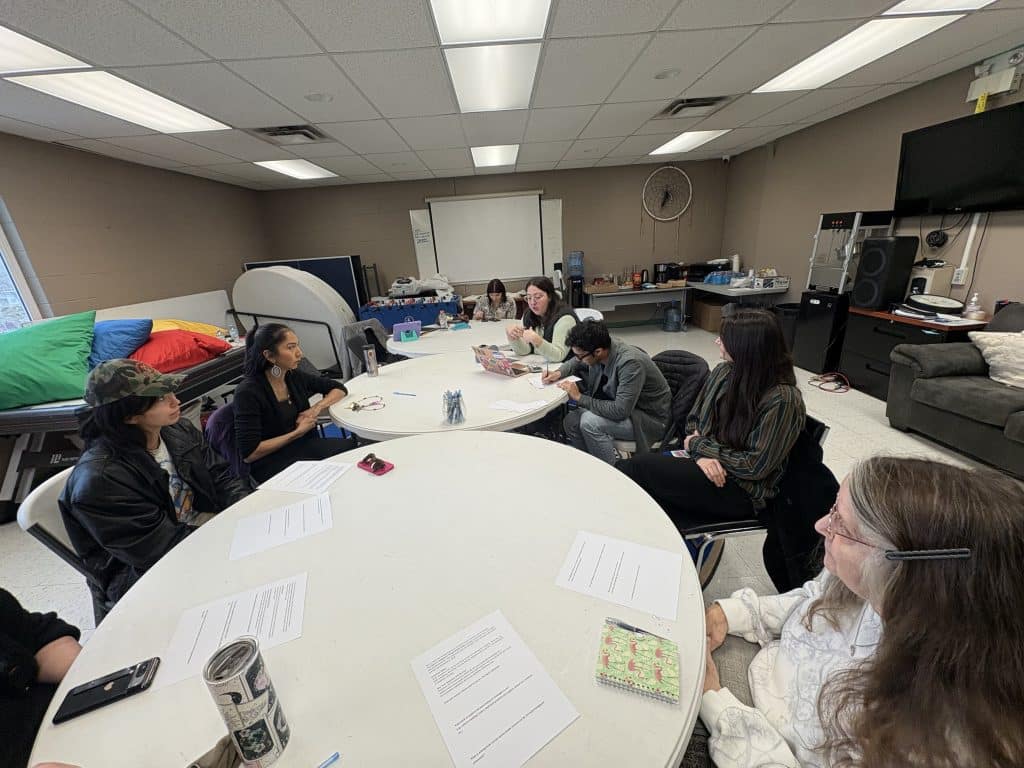
To help ground the discussion, nursing student Dylan Saunderson shared the online resource Your Health, Your Rules with the participants.
Your Health, Your Rules “is a guide for LQBTQ people to navigate health care,” Saunderson said, noting that it contains a cut out that people can take with them to health care providers to help communicate what they need.
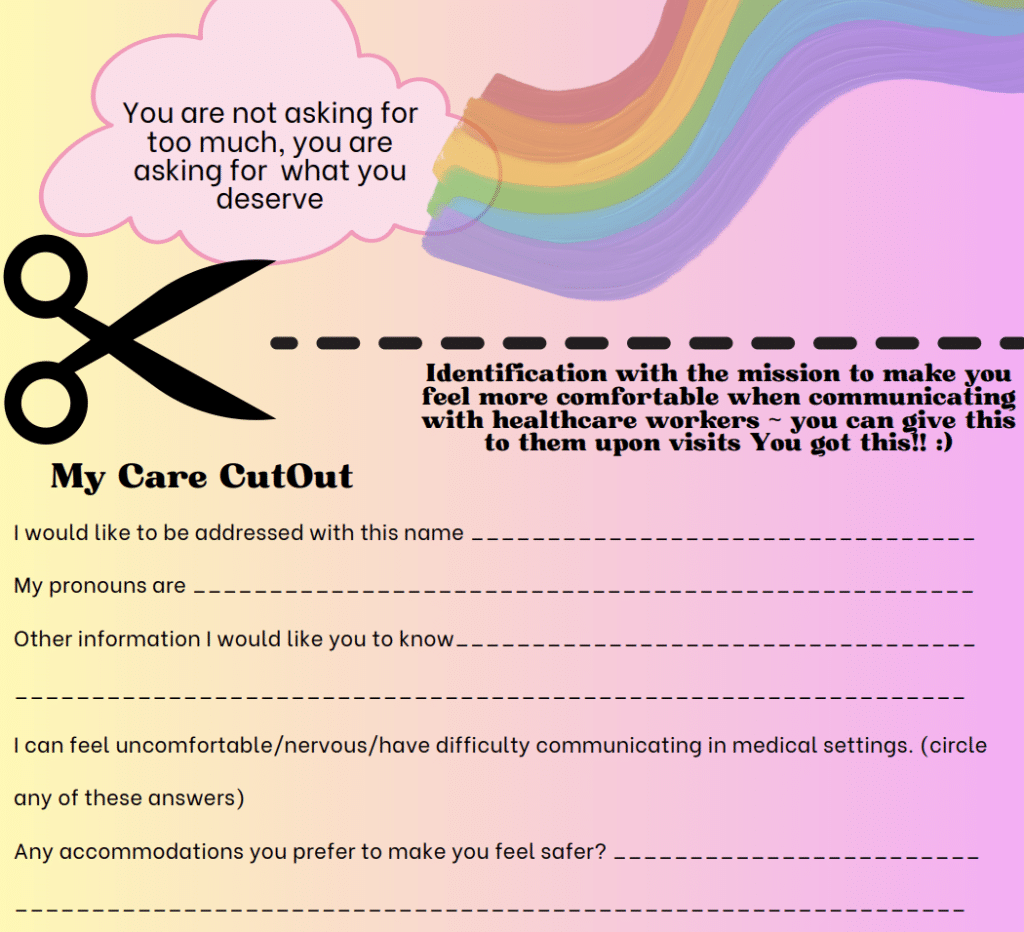
The aim is to help lower the stress and help 2SLGBTQA+ people feel safer in a health care setting.
“We want to do something similar with an online copy embedded within a physical resource that can be used,” Saunderson said.
The third year nursing students just started creating the document with the information gathered at the meet and greet.
“Hopefully by the end of March, start of April, the actual toolkit will be posted. It will be accessed through Kamloops Pride,” said student Eden McEachern-Toombs.
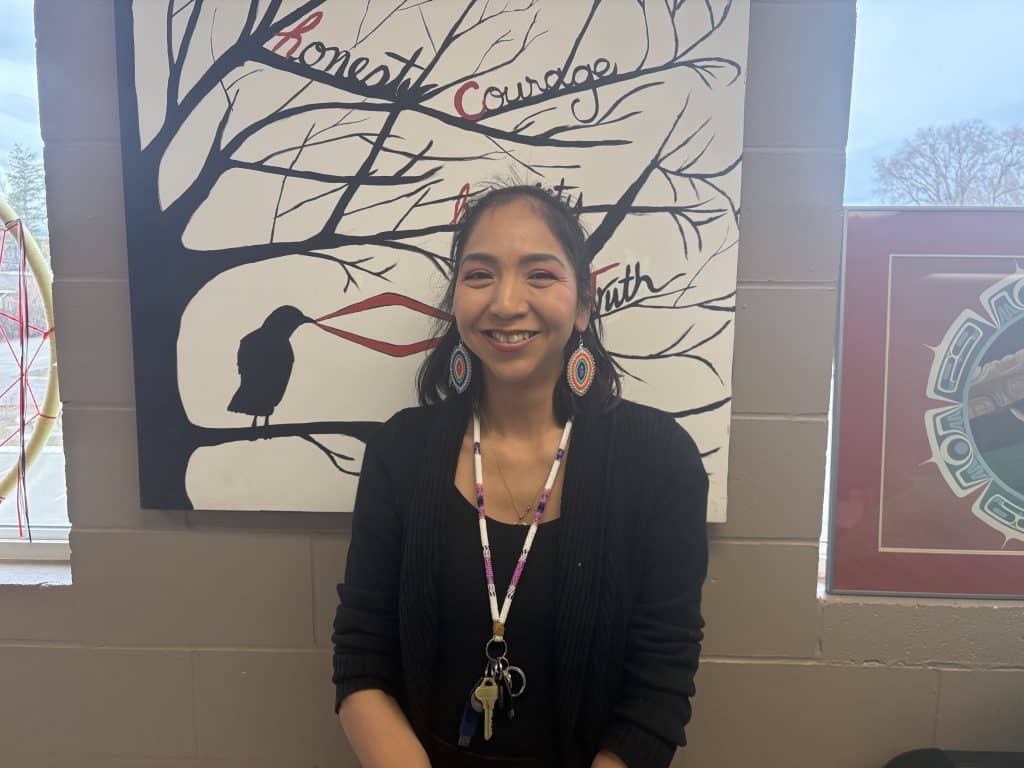
Nicole Duncan is a Secwepemc practicum student in the human service diploma at TRU who attended the meet and greet event.
Duncan heard about the event as a practicum student working with Kamloops Aboriginal Friendship Society on the family violence program and said the guide would be a great resource for people to have.
“I have encountered people who just don’t have the right knowledge behind cultural safety or safety behind sexual orientation and stuff like that,” said Duncan.
According to Duncan, having people more informed would be really beneficial.
Duncan stressed the need for representation and having diverse voices in the conversations, and she also believes collaboration is important to support Two Spirit people.
Seeing the nursing students take the initiative in gathering this information and actually distributing was also appreciated, so it’s not going just going to stay in this room, she said.
Mental health guide aims to overcome stigma
Sophia was another participant at the meet and greet. She is part of the family violence prevention team at the Aboriginal Friendship Center and a member of the 2SLGBTQA+ community. The Wren is using her first name only to protect from stigma.
“I would say that it wouldn’t be a surprise that Indigenous people, especially Indigenous women, are over represented as survivors of gender-based violence and intimate partner violence, just because a lot of trauma happened within the community, a lot of people are not were prevented from an opportunity to care for their children and pass down those healthy coping strategies or healthy relationship skills,” said Sophia.
It is crucial in her work at Kamloops Aboriginal Friendship Center to have a family violence prevention program that specifically focuses on the realities that are happening in Indigenous communities.
“I really appreciate calls for culturally aware care, culturally aware support. I think a lot of the times, people who are on this intersection of marginalized identities experience stigma from both sides,” said Sophia.
She really appreciated the call for very specific support.
“I know that a lot of people feel like it was at such a small portion of the community, why create specific supports? But the reality is that a lot of people do not disclose that they’re part of the queer community, or that they are Indigenous, if they’re passing,”Sophia.
“I think we would see that if we started introducing a lot more people would come out as people who need that support and would benefit from that support,” said Sophia.
Sophia wants to remind people that even if they are not part of this group, they are very likely going to encounter Indigenous queer people.
“People, who are both queer and Indigenous, who do need these services… you will often find that your friend or your cousin or your brother’s girlfriend or someone will be part of the group, ” said Sophia.
Lavender runs the sex work outreach program at Kamloops Sexual Assault Services and at The Loops Sex Work Association.
Clara is a self employed artist, sex worker and volunteer at The Loops. To protect their identity, The Wren is not including their full names or photo.
Lavender and Clara were invited by Sophia because they both serve Indigenous and trans folk.
Both Lavender and Clara see that cultural communities don’t identify as sex workers because of the stigma around it.
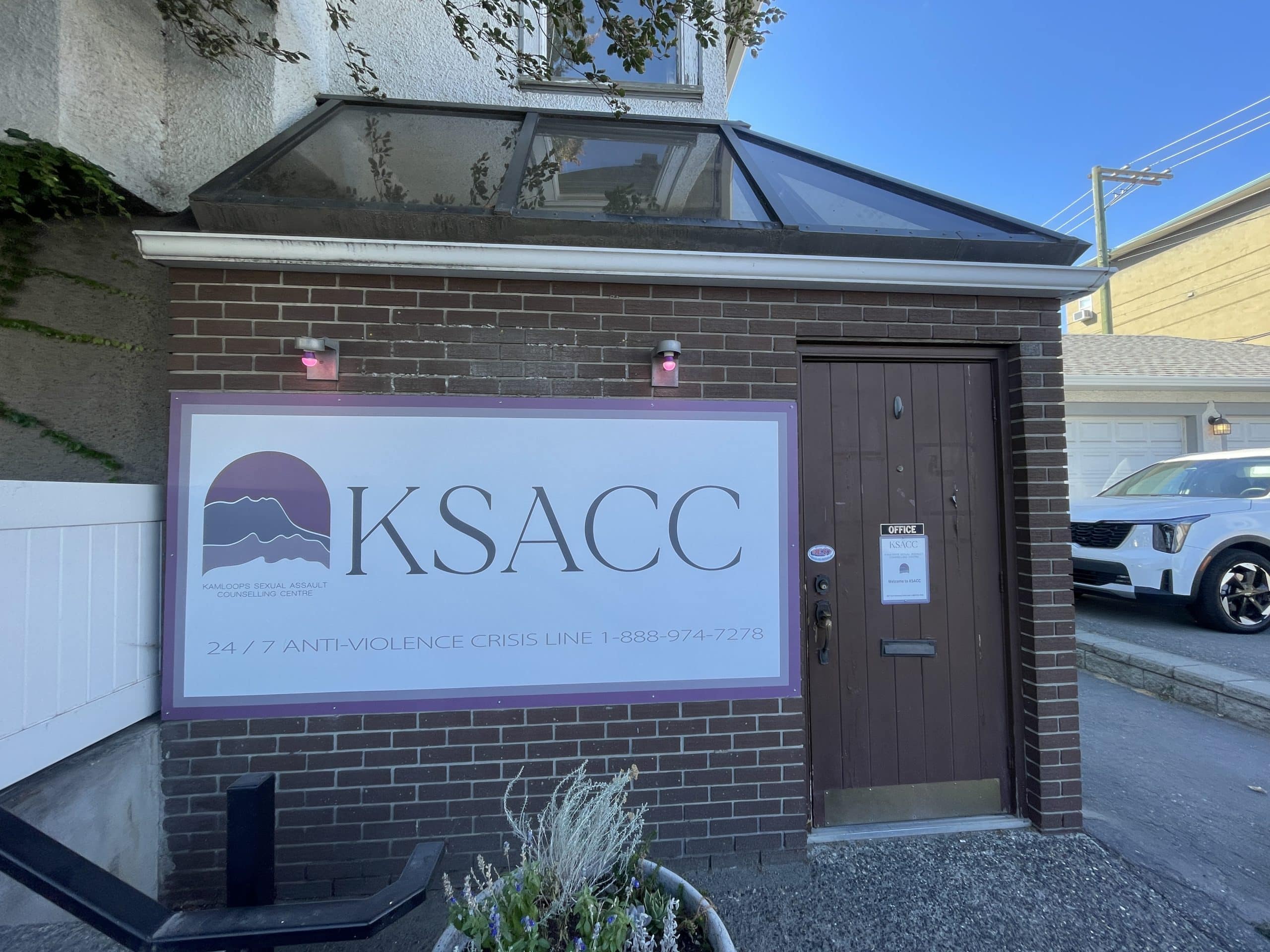
“While three per cent of the population of Canada are Indigenous women or Two Spirit people, over 50 per cent of street-based sex workers are Indigenous women and Two Spirit people,” Lavender said.
This shows the disproportionate challenges Indigenous and Two Spirit people face and the urgent need for culturally safe services and community support to better serve these communities.
“They’re the least likely to have access to services, the least likely to have access to health care, the least likely to have sustainable housing, the least likely to have access to food sovereignty,” Lavender said.
Many trans and genderqueer folks work in survival based sex work because they don’t have the opportunity to seek other forms of work, or are denied other forms of work, explains Clara.
“We would like to see Indigenous women and Two Spirit people supported in any pursuit that they take on, but that starts with meeting them where they’re at,” they add.
Both Lavender and Clara think the mental health guide is a good starting point. “Obviously we want to see it back up like concrete action and program and funding,” Clara said.
“Seeing healthcare workers involved in the process is very hearting, seeing it come from their system,” Lavender said.
Some of the resources to be included in the mental health guide for 2SLGBTQA+ Kamloopsians.
The Wren is a community driven local news outlet. Your questions and ideas help guide what we dig into. Your feedback after we publish a story helps ensure we're always improving our reporting to better serve you
What do think about this story?
Author

Related Articles
MLA candidates for Kamloops share plans to address affordability ahead of B.C. election
Here’s how Kamloops’ MLA candidates answered the question: What will you do to help with affordability?

How will Kamloops MLA candidates support healthcare?
Here’s how Kamloops MLA hopefuls will address the shortage of primary healthcare providers in small-urban and rural areas.
Here’s how MLA candidates will improve safety for all in Kamloops
Here’s how candidates answered the question: How would you create safety for everyone in Kamloops?
