
‘It is about courage’: More students take up Secwepemctsín as language revitalization efforts grow
‘Without any new interest or passion for Secwepemctsín, there is no revitalization,’ student says.
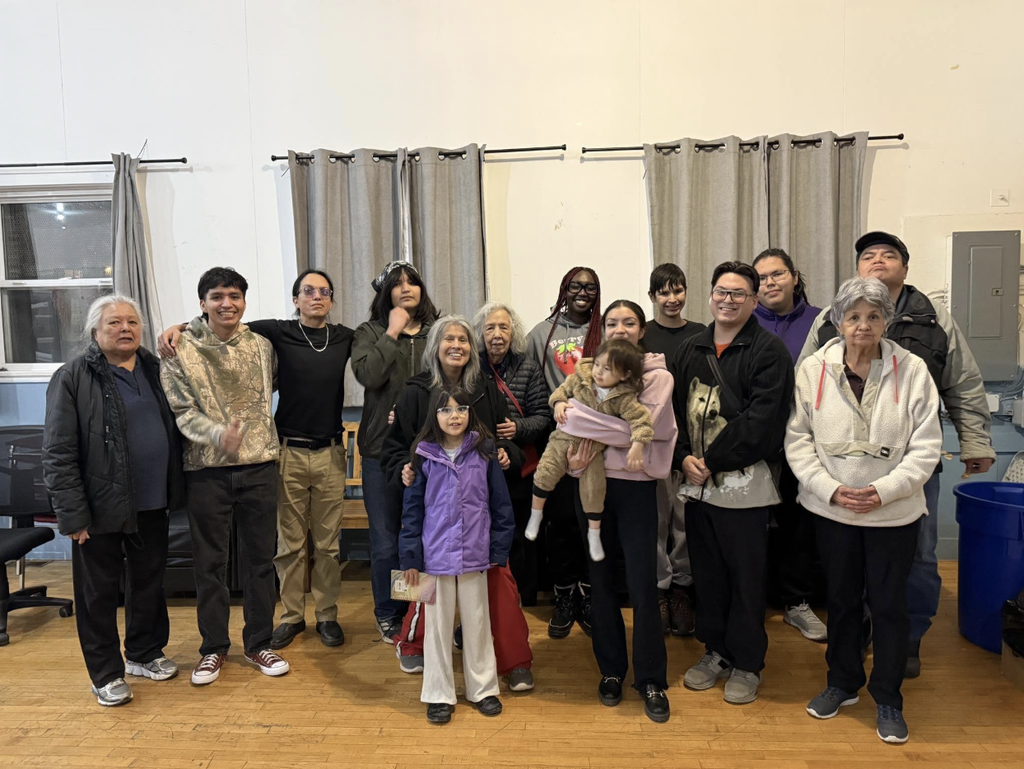
The first language of Kamloops, in the heart of Secwépemc territory, is Secwepemctsín — and more people are learning to speak it, with a growing number of language learning opportunities, as well as mentorships and bursaries drawing new students in.
Secwepemctsín belongs to the Salishan language family, spoken throughout Secwépemc communities and urban areas in the Interior of B.C., a province in which opportunities to learn Indigenous languages have “exploded” in recent years, according to the First Peoples’ Cultural Council.
In 2018, the language revitalization organization counted 54 adult language programs; a few years later, nearly 100.
About 736 people speak Secwepemctsín, with 166 fluent speakers and 570 semi-fluent speakers, according to the most recent First Peoples’ Cultural Council survey. The 2021 census counted 1,601 Secwepemctsín speakers.
Reporter Madelene Kajusa, as a fellow Secwepemctsín student at Wumec, spoke with Thompson Rivers University (TRU) Secwépemc students Iona L. Chelsea and Gabriel Archie two of the university’s Indigenous Student Development Department at Cplúl’kw’ten Student Services, as well Secwepemctsín students Matthew Jones and Olivia Baptiste to learn more about what inspired them to take on language revitalization.
Iona Chelsea is from Sugar Cane, also known as Williams Lake, First Nation. She was born and raised in Esket, Alkali Lake. Her grandparents and parents were and are all fluent speakers. As a child, she was taught the language, culture and traditions.
Chelsea did not attend the St. Joseph Mission Residential School, but her grandparents, parents and relatives did.
“I was fortunate to have the Secwepemc Language classes in Sxoxomic Elementary School, and Williams Lake Junior High,” Chelsea said.
She honours her aunts and Secwepemc language mentors, Amy Sandy and Jean William, for their patience and guidance when teaching her.
“I also would like to honour my late auntie Celina Harry and late auntie Julianna Johnson, my elementary Secwepemc teachers, and late Cecilia DeRose, my high school Secwepemc teacher. They were all amazing teachers,” she said.
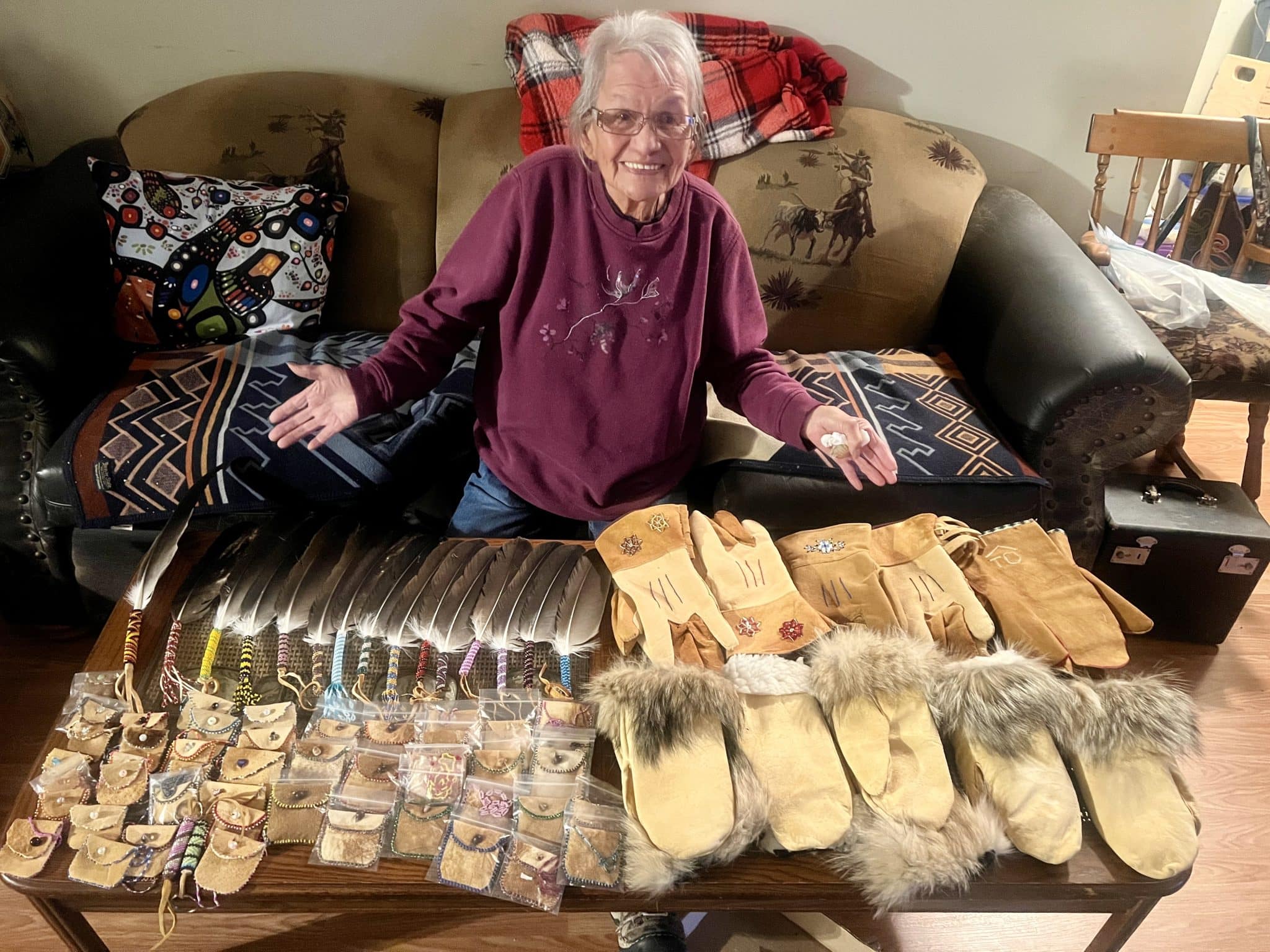
Chelsea said she hopes to be like the fluent Elders who taught her the language one day. After being out of school for more than 30 years, she started her first year of a bachelor of arts at Thompson Rivers University – Williams Lake. She is currently attending the “Me7 Texwtuxwtsinem-kt” (We will speak fluently) Secwepemctsin Proficiency Certificate managed by Tk’emlúps te Secwépemc in partnership with Simon Fraser University.
She also successfully applied for a First Peoples Cultural Council Mentor Apprentice Language Grant with her mentor Amy Sandy of Sugar Cane.
Chelsea’s greatest inspiration and language mentor is her mother, Barbara Chelsea, who is a fluent speaker. Chelsea’s mother went to the University of British Columbia and received her bachelor of education degree with four children.
Chelsea believes it’s important to preserve the language because many Elders are passing away, and oral history, knowlege and ceremonies can be passed through Secwepemctsín.
“It is important to record and document our Secwepemc language to continue to pass it on to our younger generations and keep our history, culture and our Identity of the Secwepemc people alive,” she said. “Our hope for the future of our Secwepemc language is for all people and youth to speak the Secwepemc language fluently. Teach our children the language, drumming, songs, stories and traditions.”
“The Secwepemc language should be taught in schools, and should be protected and shared so that the culture and traditions will stay strong for generations.”
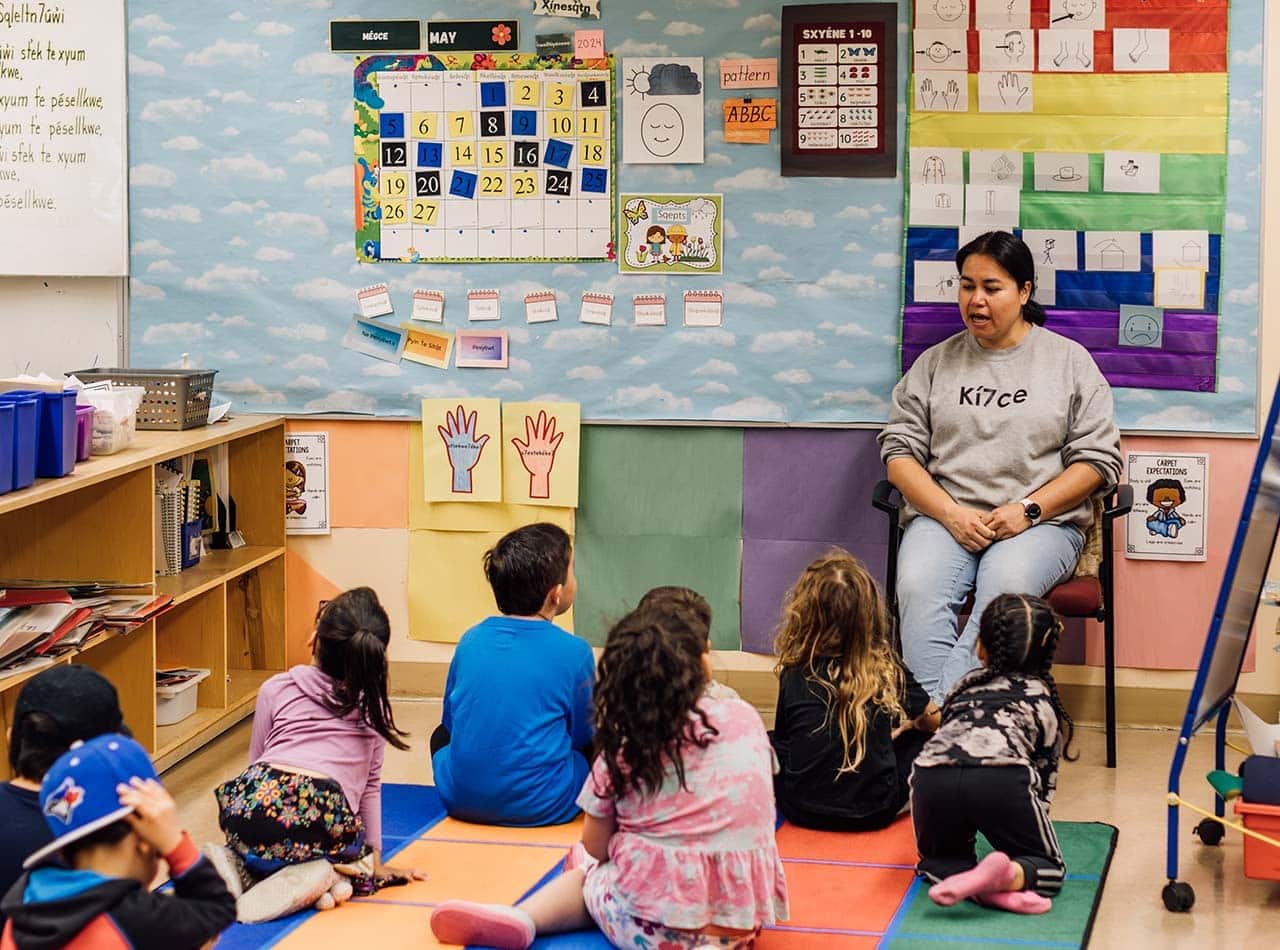
Youth language revitalization
Gabriel Archie was raised in Tsq̓éscen̓ (Canim Lake) of the Secwépemc Nation, is a Ctsnem7ewsem (guide) at TRU’s Indigenous Student Development Department at Cplúl’kw’ten Student Services helping students grow in academia while staying connected to their culture and mentors.
Archie takes pride in coming from Tsq̓éscen̓ First Nation, Canim Lake. Having learned the language from a young age, Archie is continuing to develop in Secwepemctsín to “pass on what has been given to me,” he said.
For Archie, involving youth in language revitalization is a critical part of the language’s survival.
“Without any new interest or passion for Secwepemctsín, there is no revitalization. Without seeing the passion the Elders have for the language, youth are missing a huge part of that connection,” he said.
Current Secwepemc students who are completing their Master of Arts in Indigenous Languages and Linguistics program at Simon Fraser University are giving fluent Elders hope that the language can be preserved and that their knowledge can be shared and used in impactful ways.
For Matthew Jones, a 28-year-old Secwépemc Two-Spirit language teacher and youth apprentice with Wumec R Cqweqwelutn-kt Community Society, language revitalization happens through mentorship, cultural teachings and community programming. He is passionate about strengthening his connection to Secwepemc culture and supporting the preservation of language for future generations.
“I have learned that language learning is not about perfection. It is about courage,” he said. “It takes courage to speak, to practice, to make mistakes and to continue learning. Every time we use the language, even in small ways, we honour those who protected it and carried it forward despite many challenges.”
Jones also adds another important lesson from his journey is that young people play a huge role in the future of Indigenous languages. He believes that youth are not only learners but future speakers, teachers, parents, leaders and role models.
“When young people embrace language learning, it creates hope for the next generation,” Jones said.
That hope can be seen in Secwépemc language student and a coordinator at the Kamloops Friendship Centre, Olivia Baptiste from Xatśūll First Nation.
“My experience learning as a youth has been life-changing, learning about our worldviews and culture,” they said.
Baptiste’s grandmother went to St. Joseph’s Mission Residential School near Williams Lake, and as a young child, the pair would walk around the reserve or the house, and sometimes share the language – one word here and there.
Baptiste found it interesting, while their grandmother got a kick out of their pronunciation.
Baptiste started academically learning Secwépemstin in January 2023 online, and fell in love with the language, recently completing a certificate in Indigenous Language Proficiency Western Secwepemctsin at Simon Fraser University.
Baptiste said their goal is to earn the Diploma in Indigenous Language Proficiency Western Secwepemctsin.
Baptiste’s hope for the future is that Indigenous languages become mandatory learning, expanding understanding, empathy and connection to the land.

Where to learn Secwepemctsín
Pre-school, Kindergarten to Grade 12
- Chief Atahm School – one of three language immersion schools in the province, located on the Adam’s Lake Indian Band near Chase.
- Wumec r Cqweqwelutn-kt Community Society
Digital learning
- FirstVoices- Digital Platform to Learn Indigenous Languages
Adult / Post-secondary
- Thompson Rivers University– Beginner Modules
- Local Band resources: Tk’emlúps te Secwépemc, Skeetchestn Indian Band
- Simon Fraser University (SFU): Offers a Certificate in Indigenous Language Proficiency (CILP)
- Secwépemc Language Proficiency Program, a Chief Atahm School Adult Language Initiative in partnership with Simon Fraser University and Nicola Valley Institute of Technology
- UBC Okanagan Bachelor of Secwépemc Language Fluency
The Wren is a community driven local news outlet. Your questions and ideas help guide what we dig into. Your feedback after we publish a story helps ensure we're always improving our reporting to better serve you
What do think about this story?
Author

Related Articles

Here’s how general election candidates will support public transportation
Candidates for the 2026 municipal election have plans for transportation in Kamloops.

Here’s what candidates have to say about AI infrastructure in Kamloops
As Kamloops becomes a hub for AI data centres, candidates share their thoughts on regulation and support.

Here’s how general election candidates will tackle affordability in Kamloops
Kamloops’ 2026 general election candidates share what steps they’d take to improve affordability.
