Editor’s note: As a member of Discourse Community Publishing, The Wren uses quotation marks around the word “school” because the Truth and Reconciliation Commission found residential “schools” were “an education system in name only for much of its existence.”
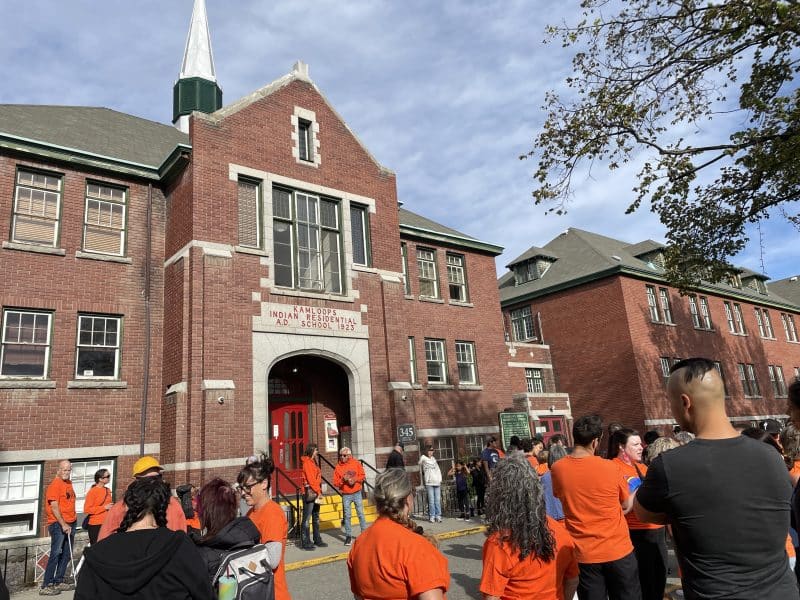
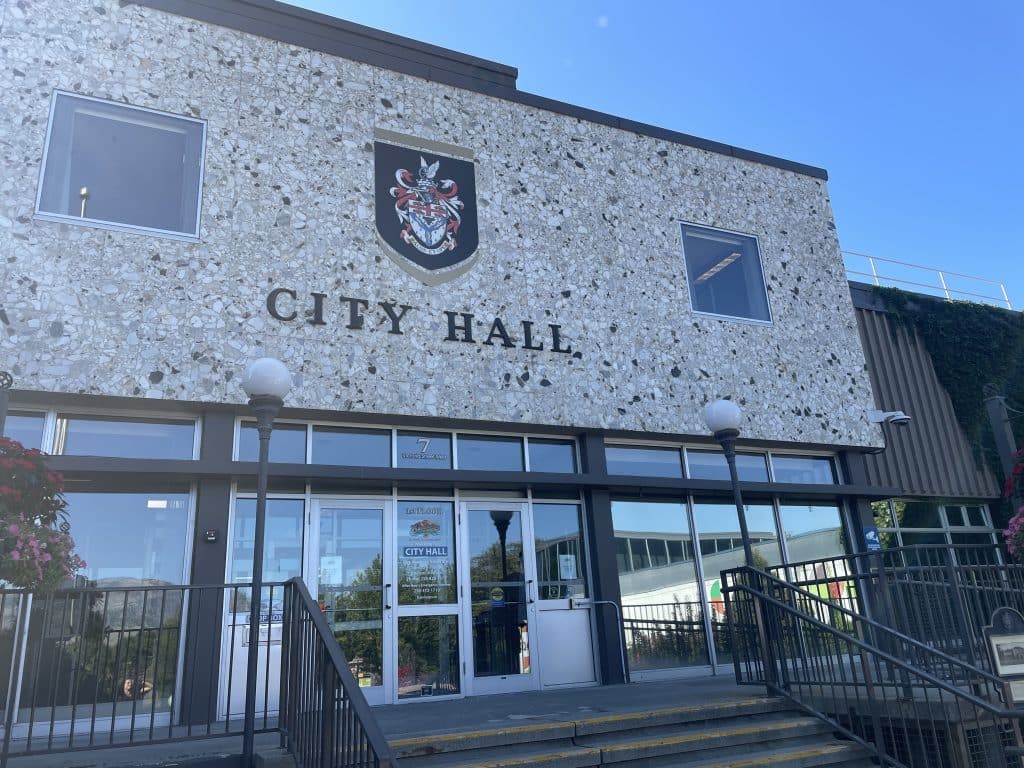
On Sept. 30, Tkʼemlúps te Secwépemc and the City of Kamloops leadership gathered at the Tkʼemlúps powwow arbour to co-host National Day for Truth and Reconciliation for the second year in a row.
Having the City of Kamloops involved made it “truly a community event,” Kamloops City Coun. Mike O’Reilly tells The Wren. Hundreds of Kamloopsians came together to listen, grieve and share hope for a bright future, together.
As advocates remind us, the work of reconciliation is primarily the responsibility of non-Indigenous community members with support from Indigenous communities.
To understand how the City of Kamloops got here, The Wren spoke to city councillors.
While Tk’emlúps te Secwépemc declined to do a media interview, Tk’emlúps leadership tells The Wren they “received confirmation that the City of Kamloops will be providing a media statement/interview on this matter.”
Truth and reconciliation at the local level
Unlike many communities across the country where there is no working relationship with local First Nations governments, the City of Kamloops and Tk’emlúps te Secwépemc have spent more than a decade working to improve theirs.
As close neighbours, the two governments share service agreements, including fire protection and sanitary sewer management.
To improve relations, they started hosting community-to-community forums about shared concerns like transit service and cultural recognition. The collaborations resulted in the signage at Xget’tem’ Trail in 2018 and earned the two governments national recognition for reconciliation efforts.
It wasn’t always this way. The Canadian government formed the Truth and Reconciliation Commission in 2008 to carry out extensive research and compile testimonies from thousands of residential “school” survivors, their families and former staff as part of the largest class action in Canadian history.
The result was a 2015 final report from the commission detailing its findings and 94 Calls to Action for Canada to work towards reconciliation.
These calls relate to everything from education and healthcare to media and the justice system, and are directed at all levels of government.
Various points on the Calls to Action focus on municipal governments. One of those includes Article 43, the implementation and adoption of the United Nations Declaration on the Rights of Indigenous Peoples.
The City of Kamloops adopted Article 43 in 2019, using it as a framework for reconciliation.
That same year, the province passed the Declaration on the Rights of Indigenous Peoples Act.
The City of Kamloops and Tk’emlúps te Secwépemc are tracking progress on 12 Calls to Action in the TRC action plan drafted in 2021. For example, as a progress update to the implementation of UNDRIP, the city states that Tk’emlúps “provided free, prior & informed consent for the Riverside Park Flood Mitigation project.”
That same year, the Yellowhead Institute reported that the Calls to Action are still largely unfulfilled.
How is the city council working towards truth and reconciliation?
Reconciliation is a journey, according to Coun. Stephen Karpuk, ”I know we’ve got a long ways to go”.
“I’m learning from our Indigenous neighbours across the river. Tk’emlúps have been so gracious in helping us learn along this journey together.”
Initiating movement on the 94 Calls to Action has taken effort at a local level, and building relationships is key to getting started.
During Coun. Dale Bass’ previous term, she participated in the Thompson-Nicola Regional District (TNRD) as the chair of the governance committee, hoping to advance reconciliation regionally by working with other Secwépemc governments.
“The rationale there was that if we wait until the province tells us what to do, we’re so far behind,” she tells The Wren. “We hired an intergovernmental person, and we’ve been doing really good, strong work, developing friendships and partnerships with some of the 17 bands in the TNRD.”
In terms of making progress through the 94 Calls to Action, the municipality is navigating the logistics and setbacks of working across governments, Coun. Bill Sarai says.
A lot of questions remain about what adopting UNDRIP means for municipalities.
“We’re still trying to find our way, where we fit in,” Sarai says. “We’re struggling with the province taking a lead on it, but without any consultation on how this plays out at the ground level.”
In addition to working across governments, reconciliation involves having conversations, forming trust and relationships, Coun. Katie Neustaeter says.
“It’s critical as local governments look at these Calls to Action, and what we want to achieve as we move forward with our friends and neighbours from Indigenous communities, that we have to begin with the truth piece,” she says. “I was so personally grateful for all of the time and effort and consideration that the Tk’emlúps council gave us when we first stepped into this term.”
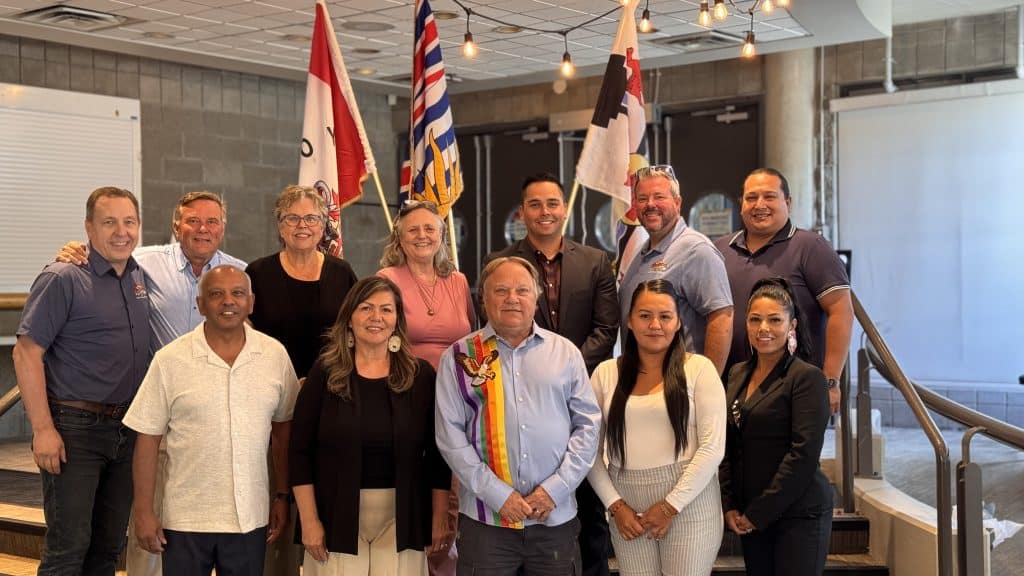
Twice a year, the city holds “C to C” meetings with Kamloops and Tk’emlúps council members to discuss a variety of issues that affect both communities, in addition to a number of committees and working groups like recreation and culture.
Having conversations grounded in truth when discussing culture, discrimination and experiences has helped council better understand its responsibility towards truth and reconciliation, she adds.
Coun. Bass agrees.
“The real work was done when we would talk about things inside memorandums of understanding and work together and listen to each other as well,” Bass says.
Mayor Reid Hammer-Jackson grew up in Kamloops and often played ball as a kid on the reserve grounds.
“I grew up on both sides of the river, I didn’t know a lot about what’s going on,” Hammer-Jackson says.
Now as mayor, he says he has learned a lot about Tk’emlúps’ history that as a kid he was not aware of.
“I love listening to Elders, and I do know some Elders, and again, just continuing to listen and learn is very interesting,” Hammer-Jackson says.
Reaching across the river
“We stand on the shoulders of the people who came before us on that reconciliation path and made it possible for us to do this work today,” Coun. Neustaeter says.
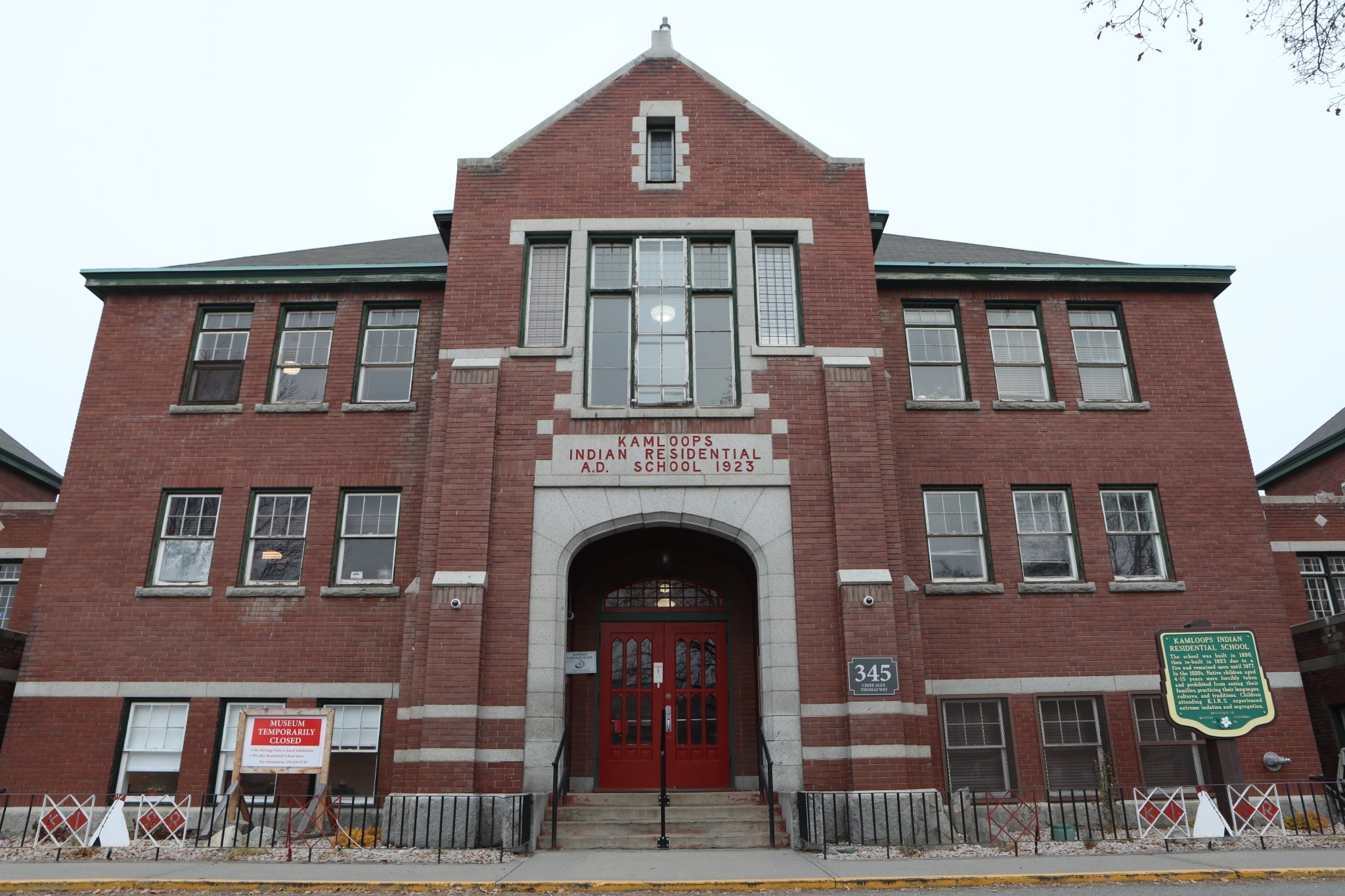
Over the years, Kamloops has moved from acts of symbolism, such as lighting up the powwow arbour in 2021 following the confirmation of evidence of unmarked graves at the site of the former Kamloops Indian Residential School, to more concrete acts, such as collaboration with Tk’emlúps council.
This work has led to awards, most recently the BC Reconciliation Award given to the city and Tk’emlúps in 2022, which recognizes “individuals, groups and organizations who demonstrate exceptional leadership, integrity, respect and commitment” to the TRC’s Calls to Action.
“Those awards aren’t won because we do the work to get the awards,” Sarai says. “We get those awards because we do the work and we get recognized for it.”
Collaborating in the name of governance is vital, but strengthening bonds is more than talking across the table, he adds.
Comparing city council’s relationship with Tk’emlúps, Sarai says before his previous term the bond was positive, but distant.
“It’s like a neighbour that’s lived beside you for a number of years, but you just basically waved as they went in their house. This relationship has come to the point where now we’re talking to our neighbours, we’ve got the keys to each other’s houses…we’re going to each other’s weddings. We’re going to their children’s birthdays.”
“Our relationship as good neighbours has grown,” he adds. “We’re very comfortable with each other, and we have difficult conversations, which neighbours sometimes have to have.”
Sharing events, recreation, infrastructure and governance
Collaborating has also included events and recreation, and while Kamloops did not host the National Aboriginal Games in Sarai’s first term, Sarai travelled as a representative to Grand Prairie to accept the sacred hockey stick and brought it to Kamloops.
This year, the National Aboriginal Games were hosted in Kamloops.
“Those are key steps in truth and reconciliation, showing the partnership,” Sarai says.
As a student of the Secwépemc language, Sarai feels that continuously learning and sharing knowledge is important in leadership.
“I think it’s on us, the elected officials, that what we learn and what we find out about First Nations, it’s our job to share with our residents. That is part of our responsibility,” Sarai says.
Currently, Sarai is the chair of the cultural and recreation working group, which has collaborated with Tk’emlúps te Secwépemc for the opening of the Secwépemc Museum.
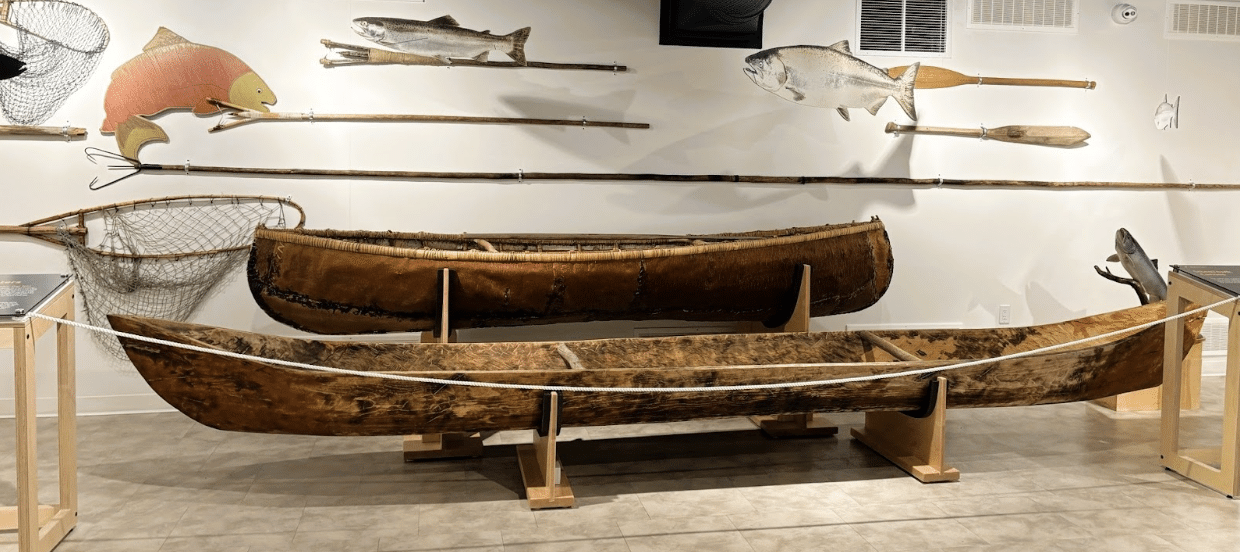
Other ongoing initiatives include the co-hosted National Day for Truth and Reconciliation.
Coun. Margot Middleton recognizes this requires ongoing work, far beyond a “one-event-per-year initiative.”
“Not only just shared events, but shared economic development, shared opportunities …both here on this side of the river and on Tk’emlúps’side of the river.”
Coun. Karpuk has been part of various events in addition to the National Day for Truth and Reconciliation hosted last year. He was also part of the Sir Wilfrid Laurier plaque rededication this past May.
“I’m trying to be a better neighbour, partner and fellow citizen on the land that so many of our Indigenous nations have been looking after for a long, long time,” Karpuk says.
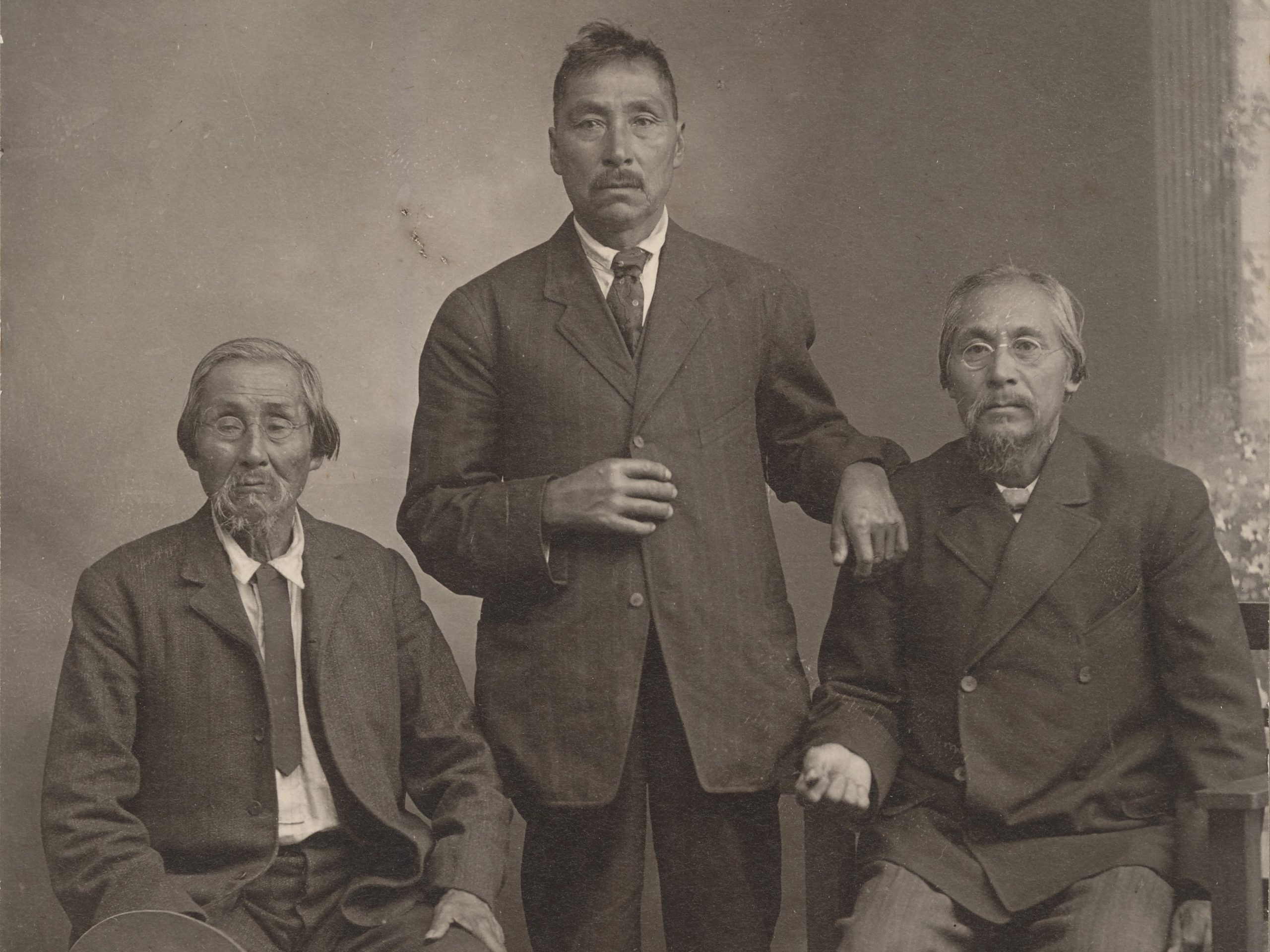
With the one-year anniversary of the loss of the Red Bridge, Karpuk recalls the importance of this infrastructure being one of the links between the city and Tk’emlúps.
“I think there was mutual agreement that we needed it from both sides of the river, and that we were going to do what needed to be done from both sides of the river, collectively, to get that red bridge,” Karpuk says.
The Red Bridge has been something that multiple governments have been working together on.
“It’s an incredible opportunity to show what can be done when we start with that baseline relationship — big picture infrastructure that changes the way we move through our communities, the economic benefit and also stands as a symbol,” Neustaeter says.
Hammer-Jackson proposed getting a new bridge up and running in two years. “Collaboratively, I think that we can work towards that,” he says.

When it comes to partnerships with First Nations, Sarai says the leaders of conversations with the city should be First Nations.
“We should be at the table. We should take the lead from Tk’emlúps, how and where we are needed, whether shoulder to shoulder or behind them.”
“We’re all responsible for the land, the water and the quality of air in our area, and I totally respect that Tk’emlúps vision,” he adds. “When they make a decision at their council table, it’s for seven generations forward, and that is their moral compass.”
Middleton agrees that both government bodies have worked together on things that are beneficial to both of them.
“We do have to give strong consideration to Tk’emlúps and how they vision a future for themselves,” Middleton says.
During the meetings between both councils, they ensure the leadership is passed back and forth with both sides standing on equal ground, Neustaeter says.
“We really look to Tk’emlúps to set the path for us and then we come along,” Neustaeter says. “But it’s really important that as non-Indigenous people and non-Indigenous governments, we are allowing First Nations to take leadership on those points.”
What does the future look like?
Middleton recognizes the work they are doing is important, both at a local level and at the provincial and national scale.
“We need to do our best to make sure that our community is working well in collaboration,” Middleton adds.
“Tk’emlúps is a great partner to work with. They are very progressive in what they’re wanting to achieve for their peoples. And we support that wholeheartedly.”
Coun. Bass acknowledges there is a lot more work to be done to govern at the local and regional level alongside First Nations.
“We should have done it years ago, and we’re now doing it. I’m also hoping that the work that we do, this council, sets the tone for the next council to continue and even grow up more.”
The Wren is a community driven local news outlet. Your questions and ideas help guide what we dig into. Your feedback after we publish a story helps ensure we're always improving our reporting to better serve you
What do think about this story?