
Third annual 2 Rivers Remix creates space for Indigenous music, art and connection
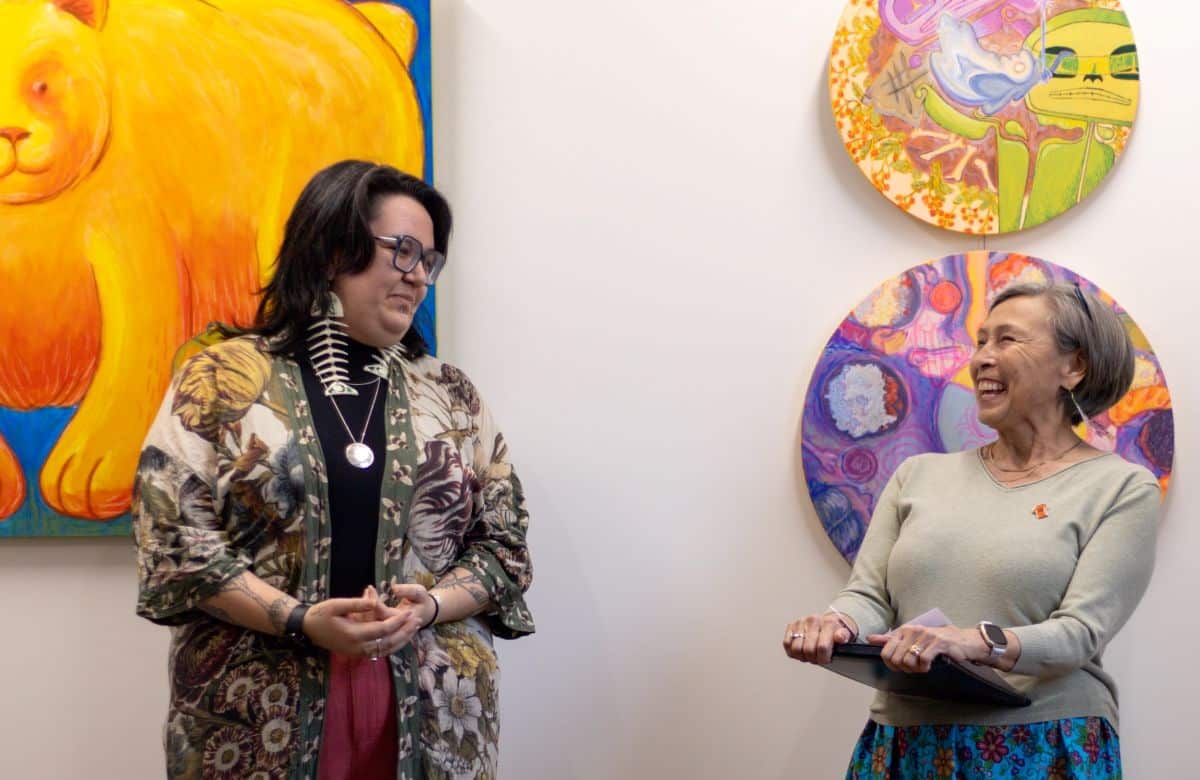
2 Rivers Remix Festival co-founder Meeka Morgan says the event aims to create a safe and accessible space for Indigenous artists and communities.
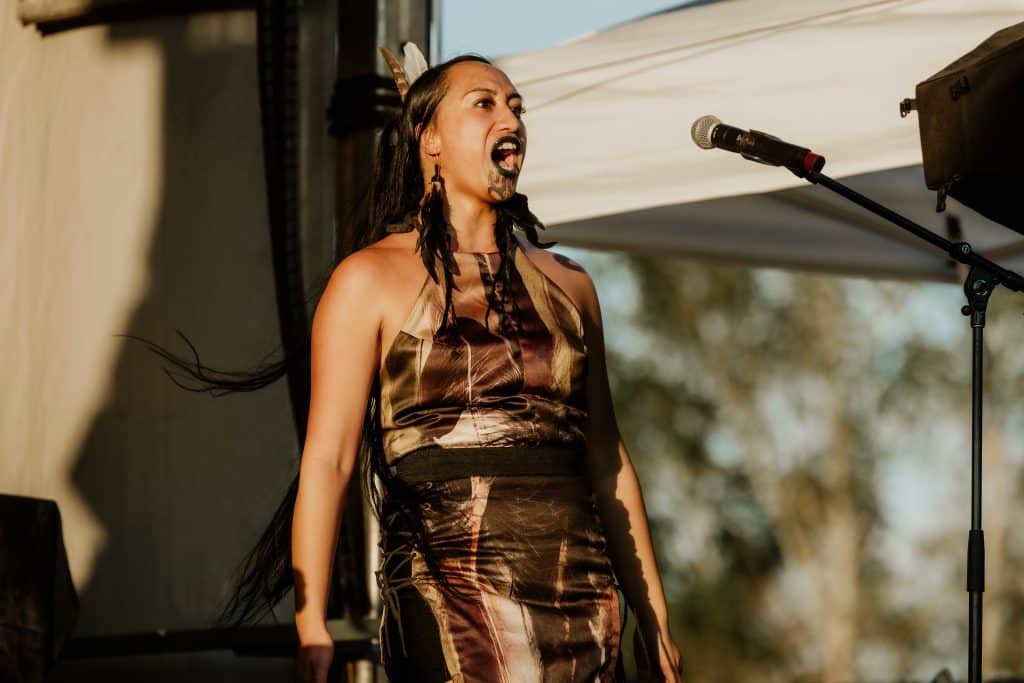
The 2 Rivers Remix Festival, a free Indigenous-led music and arts event, will return to Cache Creek on Sept. 12.
Snotty Nose Rez Kids will headline at the St’uxwtews Movable Feast, which will be combined with this year’s third annual music festival located at the Bonaparte Ball Field at 2627 Church Rd.
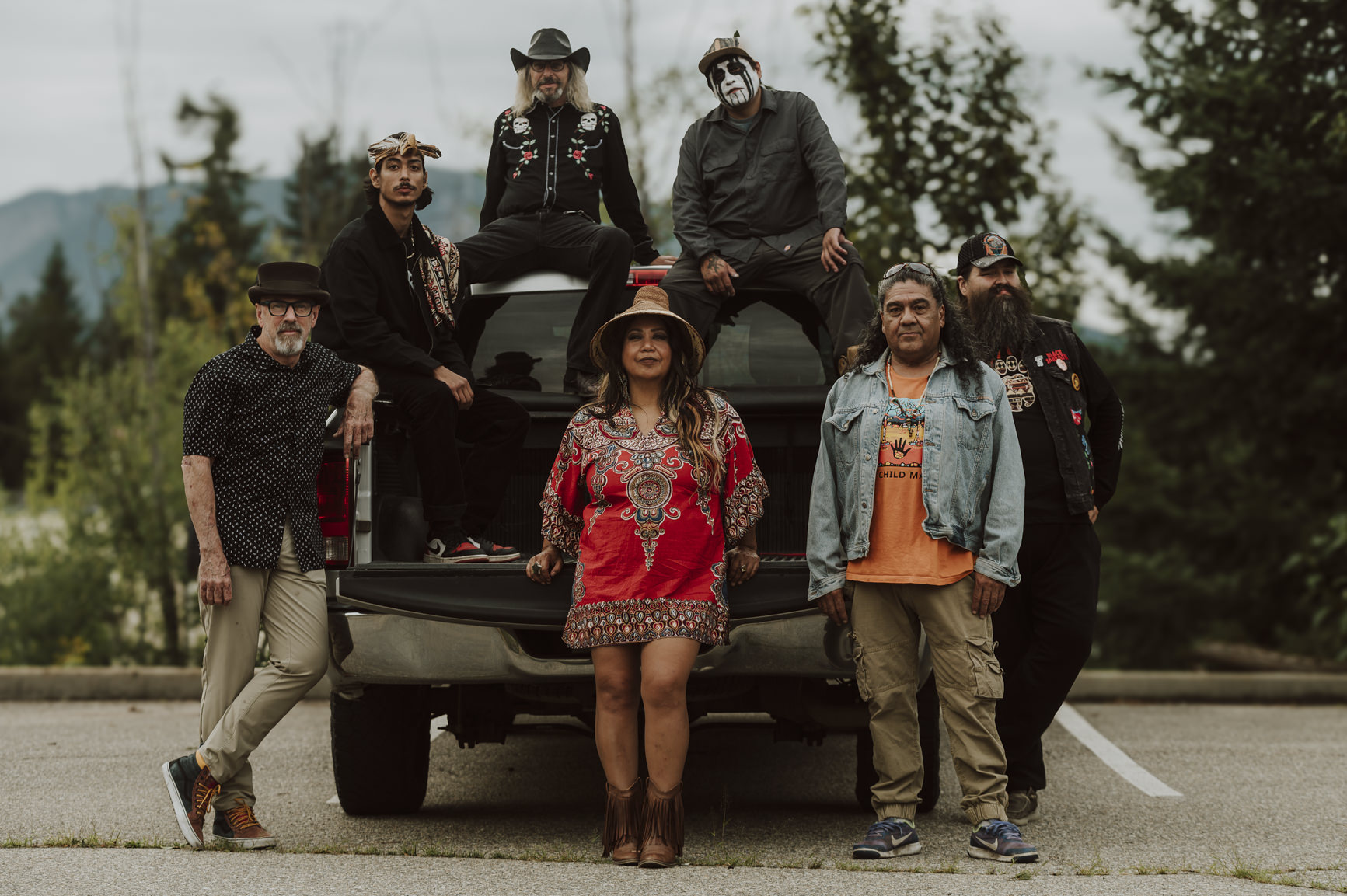
The lineup includes The Melawmen Collective, Siibii, George Leach, Leonard Sumner, Curtis Clearsky and the Constellationz, Willie Thrasher and Linda Saddleback, Rich ‘n’ Beka, Kiva MH, Geo the Voice and DJ Kookum.
“2 Rivers Remix is an all Indigenous, free music and art festival that was created to create an environment of safety, love, value and tolerance where survivors of Indian Residential Schools felt safe to come out and perform or bear witness to our events,” the festival’s artistic director and co-founder Meeka Morgan tells The Wren. “We especially like to showcase youth survivors, women, LGBTQ [individuals]. We like to have a lot of representation and high accessibility.”
While the event is free, organizers encourage participants to register in advance at 2riversremix.ca/pages/movable-feast or virtualfeast.ca to ensure there is enough food and track attendee numbers, which helps with future grant applications.
The events are slated to be livestreamed through Indigenous-led online platform, Virtual Feast, to allow individuals who are unable to travel access the medicine behind the music.
The festival will continue to tour and host the community Tsal’álh (Shalalth) on Sept. 19 followed by Toquaht (Macoah) on Sept. 26.
“I hope that [community members and visitors] can expand their consciousness to see themselves reflected in the other more, and be able to witness a more collective world view of what home means to each of us,” Morgan said. “In our culture, music and art isn’t a separate thing. It’s integral to our ways, values and worldview.”
Supporting sustainable music festivals for Indigenous communities through fossil fuel-free productions
When production director Manuel Avila took the reins of the 2 Rivers Remix festival, the event transitioned from using gasoline and diesel generators to using hardware that could be supported by electric trucks, solar panels and battery technologies.
The process took two-years of experimentation and learning for production support to evolve, but now the technical implementation completely avoids the use of fossil fuels.
The move to electric power doesn’t wholly avoid the environmental impact of lithium mining due to the necessities of proper battery disposal, but Avila says he feels there are some clear benefits to the shift, including less cabling, less noise fewer emissions and a more balanced approach due to the reforestation projects that Canada offers when mining is completed.
“It’s not free of karma,” Avila says. “There’s still some pollution from this technology. It is less though, because mining is a different way to recover than oil, but the land can recover in theory.”
The electric fleet of trucks, five in total, can remain parked near the stages without impacting the air quality for performers.
“When we arrive at the site, we have one day of setup, one day of shows, and our consumption is on average 25-to-30 per cent of the battery which is really good. That’s how our infrastructure is now.”
Looking ahead: future events for Indigenous communities
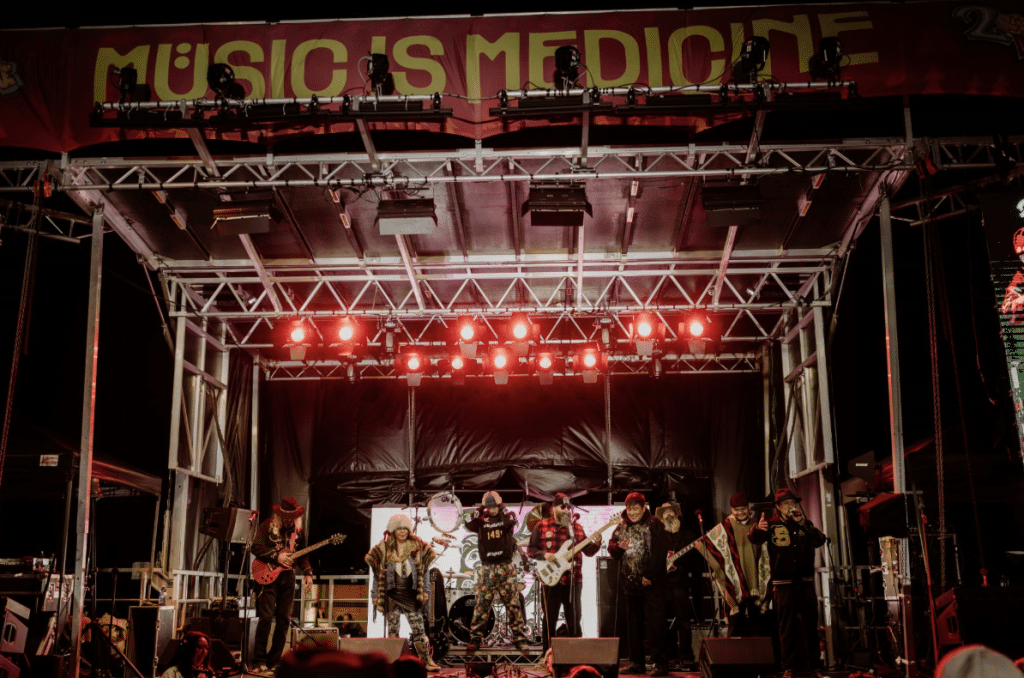
The long-term vision for 2 Rivers Remix is to embrace self-determination with Indigenous communities that want to support musicians and artisans to stay in remote communities while pursuing their craft.
Traditionally many Indigenous creatives reside in areas that are only accessible by boat or by plane, Morgan explains. In the past, that often meant artists had to leave friends and family to perform in urban areas and for opportunities to hone their craft.
“To get your music realized, you had to leave your territories,” she says.
With livestreams, every aspect of the festival can be shared with those who cannot travel to the events in-person and create opportunities for learning.
Additionally, she says there has been a lot of positive feedback from participants and the performers, with many opting to return.
She emphasizes the importance of songs being about territories and traditional ways of life.
“We’re not just a festival that comes into a community then leaves,” Morgan says. “We’re trying to build a relationship with these communities.”
The Wren is a community driven local news outlet. Your questions and ideas help guide what we dig into. Your feedback after we publish a story helps ensure we're always improving our reporting to better serve you
What do think about this story?
Author

Related Articles
Here’s how general election candidates will tackle affordability in Kamloops
Kamloops’ 2026 general election candidates share what steps they’d take to improve affordability.
Here’s how general election candidates will navigate homelessness and mental health issues in Kamloops
Kamloops’ 2026 general election candidates share share how they’d respond to homelessness, mental health issues and addiction.
Indigenous Film Festival returns ahead of National Day for Truth and Reconciliation
Indigenous storytelling shapes fifth annual film festival over three days this weekend.
