
Here’s how general election candidates will tackle affordability in Kamloops
Kamloops’ 2026 general election candidates share what steps they’d take to improve affordability.
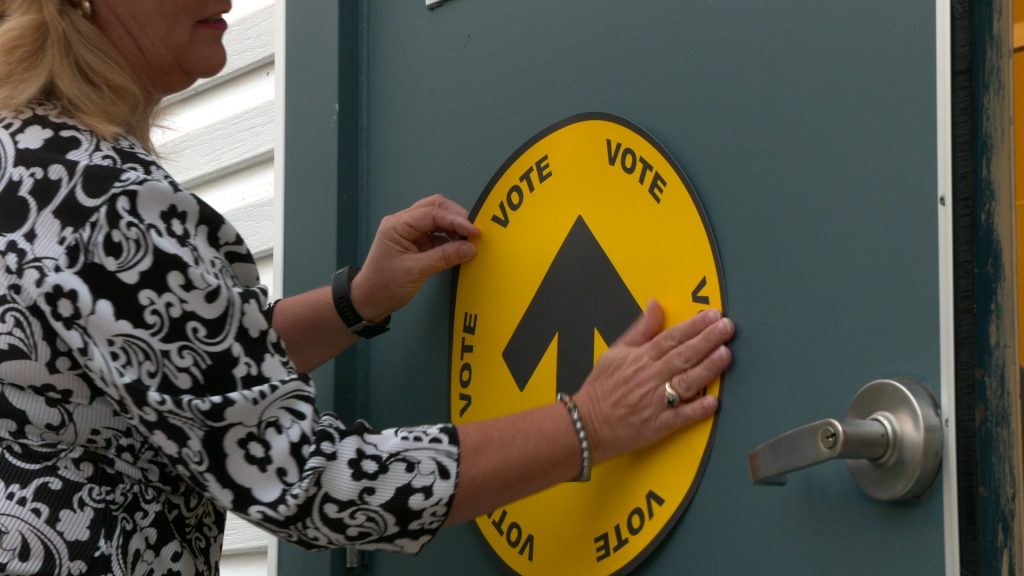
Leading up to the 2026 general election in Kamloops, The Wren surveyed readers to learn what they wanted to know from candidates running for council and mayor. Responses have been listed in the order they were received and have been lightly edited for length, clarify and fact-checking.
To learn more about the full survey responses, visit our article below:
Here’s how candidates responded to the question: How would you tackle affordability from a municipal level?
Mayoral candidates:
Ivory Winston
At the municipal level, I would focus on the things the city can influence.
That means supporting local business and employment by reducing barriers, delays and costs that make it harder to invest and do business in Kamloops.
Housing supply is another big piece. I would look at every reasonable way the city can help get more housing built across different types and price points.
I also believe strongly in food security for everyone. I’d like to see more community gardens, food-sharing programs and locally grown food made easily available throughout Kamloops—without it being seen as asking for help. Maybe that means volunteers delivering excess garden produce directly to people’s doors.
And finally, we need to be careful with taxes, fees and other city costs. The city has services and infrastructure to fund, but every increase eventually lands somewhere—on residents, renters, homeowners or local businesses.
Nelly Dever
Affordability starts with strict fiscal discipline at city hall. Over the last four years, local property owners faced an unsustainable 38 per cent property tax increase [sic]. This trajectory is unmanageable for families, seniors and small businesses.
Under the Pivot Kamloops platform, my approach focuses on fiscal responsibility. First, we must practice discipline, spend within our means and respect your tax dollar. Second, we must diversify city revenue so the tax burden does not fall solely on property owners.
Most importantly, we will address infrastructure costs using our “Co-Build” initiative. By forming public-private partnerships with private developers, we will share upfront construction, engineering, and land acquisition costs for necessary community amenities. This model protects taxpayers from absorbing 100 per cent of the financial risk, stimulates the economy and allows Kamloops to grow sustainably.
Editor’s note: municipal property tax increases did not increase by 38 per cent over the last four years. The property tax increase for 2023 it was roughly seven per cent, in 2024 it increased by just over nine per cent, 2025 saw an increase of just over seven per and the 2026 included a roughly six per cent increase.
Mayoral candidates Mike O’Reilly, Reid Hammer-Jackson, Kris Lloyd-Middleton and Ray Dhaliwal did not respond prior to publishing. This article will be updated as more information becomes available.
Council candidates:
Dale Bass
The ways to address this at a municipal level are limited because affordability is being influenced by provincial, federal and global decisions. I want to continue pushing in the housing sector in what affordable means and what can the city do to change its systems to make an impact on that for housing. Obviously the tax rate has to be considered but a reality is affordability is impacting the city as well and we buy stuff that costs six, seven and sometimes eight figures.
Christopher Mitra
City hall may not control global interest rates, but it can impact household budgets through property taxes, utility fees and development red tape. To tackle affordability, we must address municipal fiscal discipline.
I would look at the following areas to manage affordability:
Better financial stewardship: We need to scrutinize municipal spending with genuine business discipline. That means ending year-end “use-it-or-lose-it” departmental spending blowouts, conducting operational audits and focusing municipal tax dollars strictly on essential infrastructure and core services rather than discretionary vanity projects.
Cutting housing red tape: Bureaucratic delays, convoluted rezoning and prolonged permit wait times add dollars in carrying costs to every newly built home. Developers inevitably pass those costs to renters and homebuyers. Streamlining approvals and pre-zoning sensible infill projects accelerates housing delivery and lowers holding costs.
Making growth pay for growth: Existing homeowners, seniors on fixed incomes, and small businesses should not subsidize the infrastructure costs of new developments. Up-to-date Development Cost Charges ensure expanding neighbourhoods fund their own roads, water and sewer capacity
Kelly Hall
Tackling affordability within the community comes in many forms. We currently have housing affordability initiatives that have brought to market The Confluence, Riverside Gardens as well as Solace Shelter. You can also look at the Tranquille Corridor. Here you will find a neighbourhood in transition. Affordable, attainable and market rate rentals, all tackling affordability.
Brice Eberle
I want to fast-track duplexes, fourplexes, laneway homes and other multi-unit residential buildings, and stop making people wait as long to get a permit approved. I world help fast-track secondary suites. I am hoping to lean on my experience of 15 years in the building design / construction industry to assist council with development decisions.
Dave Baker
Affordability is high on the list for most residents, not only on a municipal level but in everyday life. From a municipal level perspective that means keeping taxes and fees to the lowest level possible without cutting or possibly losing existing services. We have to prioritize our wants from our needs. Everyone’s needs are different and that is why it is important for council to reach out to and listen to the public. Take the information back to the table, have an informed debate, reach a decision and have the city staff implement those requests.
Katie Neustaeter
While Kamloops has historically been seen as affordable, that has also meant utility fees remained unchanged for nine years, user fees have not kept up with costs, fire halls were not staffed and property tax decisions (like the 0.46 per cent increase in 2021) all caught up with us at once. In a growing city like ours, holding rates artificially low is simply not sustainable if we want to protect the core services residents rely on, especially with escalating price tags across the board.
Part of tackling affordability in Kamloops now is building the economic drivers that offset taxation, but the other side of the equation is implementing consistent, predictable fee adjustments to avoid massive “sticker shock” down the road.
Much of the last term was spent playing catch-up during a languishing global economy; regrettable timing during necessary correction. With those baseline adjustments made, the job of the next Council will be discipline in non-capital spending.
Affordability starts with honest, sustainable financial management. During challenging economic times, difficult financial choices must be made and that wasn’t always done last term.
Moving forward I will tackle municipal affordability by:
Prioritizing core services: Focusing taxpayer dollars on needed infrastructure (including recreational facility development) and fundamental municipal services, while turning down non-essential supplemental items that increase the bottom line.
Expanding our non-residential revenue: Growing our local commercial and industrial tax base so homeowners aren’t shouldering the burden alone.
Maintaining predictable rate adjustments: Replacing sudden, sharp catch-up spikes with small, transparent adjustments aligned with growth so families and businesses can plan ahead.
Advocating for a standing Finance Committee to be restored.
Kamloops can remain livable and affordable, but it requires hard choices that reflect a responsible grip on spending and an acknowledgment that we can’t do everything all at once.
Kadin Rainville
As a realtor and past president for the Association of Interior Realtors, I have already worked on this exact issue.
I currently advocate on housing affordability and will continue to do so into the future. My association put together a report on streamlining property information files and the requests that come from the public and realtors to the municipalities throughout the Interior.
We researched cities across the Interior to see what worked and didn’t work. Technology is currently available and being used by Kelowna for automated information supply. This reduces staff work load, creates efficiency in their days and allows additional staff to by hired elsewhere like bylaw.
On the public side it reduces wait times hence reducing holding costs or delay costs which in turn can result in lower costs to the end consumer. The company that provides this technology is based out of Kamloops! Talk about low-hanging fruit on what I can do on my first month on city council.
Looking at who the beneficiaries are of a process change like this can also have the potential of those demographics assisting and covering costs which eliminates the typical cost increase to the public. As a realtor I would be happy to pay 20 per cent more for a Building Information Request or Property Information File if my order was instantaneous vs. a two-week wait. Finding other technology efficiencies in an era of AI is much easier and drastically reduces costs. Tech will be a focus!
Bonnie Cleland
Affordability is bigger than any one issue, and it affects people across all walks of life. Municipalities don’t control all of the financial pressures people are experiencing, so I think it’s important for councillors to focus on what we can influence, i.e. how thoughtfully we spend municipal dollars, how efficiently we deliver services, and the decisions we make around housing, transportation and development.
When costs increase, my first question is always: why?
I want to understand what is driving an increase before deciding whether the answer is higher taxes, cuts or an alternative solution. Cutting isn’t automatically the right answer if it simply creates a larger bill later, and spending isn’t automatically justified because a service is something we value. I want municipal spending to have a clear purpose and knowable and measurable outcomes.
We can also look at affordability more broadly. Through zoning and development regulations, the city can make room for a greater variety of housing, including proven alternative and sustainable approaches that could reduce construction, servicing or ongoing costs.
Affordability also means being able to participate in your community. Recreation, sports, arts and cultural opportunities can become inaccessible when families are under financial pressure. The city already has programs that help lower-income residents access certain recreation opportunities and transit, and I think we should continue looking for barriers that prevent people from participating in community life.
We can’t control every factor making life more expensive, but we can be thoughtful about the costs we impose, innovative about the areas we influence and intentional about making Kamloops a place where people want to live.
Nancy Bepple
Focusing on the highest cost items in the city’s budget is important. Policing and fire protection are half of the property tax so these need to be a focus.
The RCMP contract is coming up for renewal. Before we renew, just like Kelowna has done, I support doing a review of what we want for policing. Meanwhile, last year, I supported not paying for new constables until the RCMP can supply them.
Going forward, we need to look at cost effective ways of providing fire protection. One of the best ways you can lower the risk of deaths in structure fires is smoke alarms.
Council can also help keep housing costs affordable for people in Kamloops. I support improving permitting processes for builders, finding initiative ways to allow four units per lot to be built, and allowing a range of housing to meet our community’s needs.
A specific way I helped make housing more affordable in Kamloops was when I brought forward the motion to allow multi-unit housing to reduce parking requirements if they provide car share (car co-ops).
I was part of council that created the Kamloops Community Land Trust. Its first project is on Tranquille Road, 85 purpose-built rental units, including studios, one-, two-, and three-bedroom apartments which will be rented at 20 per cent below market rate.
Jesse Ritcey
Affordability often has more to do with provincial and federal economic policies, but there’s a few ways municipalities can impact this. The city already has a couple initiatives around affordable recreation and transit access based on income level, so keeping those in place is important.
Entertainment is often an important part of people’s budget, so it is helpful to create more events, programming and park spaces that are free for people to enjoy without needing to pay anything to be there.
Utility bills are another expense, the city can help homeowners cut down on cooling costs by building out the urban canopy and updating new build landscaping guidelines to require trees (or solar panels) south-west of structures.
Taxation for homeowners and businesses is either paid directly by owners or is passed along to renters, so being prudent with how those dollars are used is important to address that expense. Redevelopment can bring new housing into the market, but needs to be balanced against protecting the supply of older, more affordable rental locations that are often demolished to make way for new units.
Lyndsey McDonald
Municipal government can’t control inflation, interest rates or grocery prices, but we can influence many of the costs of living in Kamloops. For me, affordability starts with responsible spending and asking whether we’re getting meaningful value from the money residents contribute.
I would advocate for reviewing major projects and expenditures based on necessity, long-term value and measurable community benefit. I also want to support attainable housing through strategic use of city resources and partnerships. My Build & Belong concept is one example: a measurable four-year pilot connecting housing stability with education, employment and community supports.
Affordability is also about transportation. If someone has affordable housing but can’t reliably get to work, school, healthcare or groceries without a vehicle, they aren’t truly experiencing affordability.
I would look for practical ways to reduce unnecessary municipal barriers to housing and make better use of existing resources.
To me, affordability isn’t just about one tax increase or the price of a home. It’s about whether people can afford to live, move, work and participate in their community. Council should be looking at that whole picture.
Randy Sunderman
I would focus on housing, transit and food security.
With regards to housing I would support further development of the cooperative housing model within the city. Currently we have Propolis Cooperative undertaking a couple of projects in the city and using municipal tools to ensure that cooperative developments are successful and sustainable.
That would be an important step for affordable housing in Kamloops over time, particularly if the Kamloops Chamber is eventually successful in their efforts to get changes to the CRA tax rules around donated land associated with land trusts.
On transit I would like to see young adults allowed to use city transit for free. Currently transit is free until a youth turns 13 years of age. However, by allowing people to continue to ride transit during their early working years also helps to establish good transit habits.
While the early years would have a cost, in communities that have used this model they find that young adults who have grown up using transit actually lead to expanded transit revenue as they use transit in later years. In B.C., Victoria and Penticton are leaders in expanding free transit for young people.
With regards to food security, I would like to see how the city could provide greater access to the community garden program so more residents across the city can participate. Community gardens provide access to collective garden knowledge with each garden helping people achieve better gardening outcomes. I would also advocate for larger garden plots, like what is available in the Sahali Community Garden, so gardeners can produce a greater portion of their annual food locally.
Brian Andrews
Affordability is deeply connected to housing – and building needs to be efficient.
The biggest cost I hear from builders is time: months of permitting, outdated zoning, and fees that pile up before shovels are in the ground. As councillor, I will push for faster permit approvals, simpler rules for secondary suites, and a review of development cost charges, such as servicing requirements, so they do not price out people who need homes the most.
I will also defend the tax side. Many people in our community do not have endless room for annual property tax increases. Seniors are struggling, and so are working families. That should not be the case in a city as vibrant and prosperous as ours. I will push for budgets that keep tax growth near the rate of inflation. If an increase does happen, it should be tied to a service or project that people can see and feel the benefit of.
Ultimately, affordability means keeping the city open for business. That means encouraging people to put down roots here, whether they are small shop owners, tradespeople, or the customers who support them – so jobs can be created, filled and kept. We need less red tape, predictable fees and a council that can plan beneficial city projects so our city remains attractive and affordable.
Nevin Webster
I believe if we are trying to make life more affordable from a municipal level, we need to use some lateral thinking. The city should continue to encourage alternative modes of transportation like bicycles, eScooters and skateboards to be more commonplace, then we will see less road maintenance as these vehicles are less abrasive to the roads.
Additionally the catered lunches for city council can be done away with as to save the taxpayers money. Lastly, I would look into the city building and operating its own housing so that there is below-market value housing available.
Greg Unger
Affordability needs to be addressed as a public safety issue. It is a major underlying factor challenging our most vulnerable residents, and affects all segments of our city.
I view housing and food security as two core components of affordability. We need to implement policies that ensure all new developments include affordable housing and family-friendly units. We need to ensure we have enough rental units in the city and need to focus on urban infill and increasing density in our core neighborhoods by rezoning to increase multiplexes, rather than extending city sprawl which only stretches our city resources thinner and further out.
The Kamloops Community Land Trust represents an incredible opportunity to grow the community housing sector, and examples like Propolis Housing Cooperative demonstrate how innovative and entrepreneurial cooperative housing can be.
Food security also needs to be addressed. We need to make sure all our neighbourhoods are appropriately zoned to include options for corner and grocery stores throughout the city, which reduces food deserts and bolsters food access by bringing food options closer to home.
We should also look at creating more subsidized grocery stores in low income areas, through city grants, operational funding agreements, or other means. A good practical example of this in our city is the twice-weekly food market at the Mount Paul Community Food Centre.
Cindy Sonne
Affordability starts with respecting every tax dollar. We need to focus on necessities and look closely at the budget. Grant funding shouldn’t go to the same groups every year, and decisions should be transparent. Kamloops should also pursue more provincial and federal grants. Coquitlam just secured up to $67.4 million in federal funding for a new community centre, easing the burden on taxpayers.
Bill Sarai
To understand how to tackle affordability is a complex question. It could mean a living wage or better to manage monthly expenses. It could also mean decent wages to have a healthy nutritional diet. It also means that the city can cut red tape and delays for developers and put in the framework that those savings have to be passed onto purchasers, and advocate for the government to match rents with income levels.
Margot Middleton
Supply and demand is a significant factor, the city can re-zone as applicable for housing and densification to bring costs down.
Steve Bucher
Multigenerational living – we need to make housing easier for families or groups of friends who could share a house through the life stages – this means parking, cooking spaces and healthy separation of family units. Living separately is perhaps an impossible goal in this economic climate for young people.
Ian Head
I would above all lobby for a forensic audit to get a real understanding of provincial housing agencies.
I would advocate for tenant rights and protections and lobby for stronger transparency of management to be sure tenants are in a facility that reflects their situation.
I would look at ways to create better “needed” facilities that not just offer supportive housing but focus on increasing recovery treatment and proper peer involvement.
I’d explore more infrastructure funding and use of facilities the city owns.
Council candidates Stephen Karpuk, Dennis Giesbrecht, Kathrine Blair-Wunderlich, Doug Ronnquist, Rob Bertrand, Mac B. Gordon and Robin Reeb did not respond prior to publication. This article will be updated if more information is made available.
The Wren is a community driven local news outlet. Your questions and ideas help guide what we dig into. Your feedback after we publish a story helps ensure we're always improving our reporting to better serve you
What do think about this story?
Author

Related Articles
Here’s how general election candidates will navigate homelessness and mental health issues in Kamloops
Kamloops’ 2026 general election candidates share share how they’d respond to homelessness, mental health issues and addiction.

Here’s what The Wren’s readers want to know ahead of the 2026 general election in Kamloops
From addressing homelessness to regulating AI, these were the most-asked questions in The Wren’s 2026 election survey.
Where to go and what to know: Voting in Kamloops’ 2026 general election
The Wren’s guide to voting in Kamloops’ 2026 general election.
