
‘I wanted to see how far I could go’: Boyd Jack Dodginghorse cooks up a new chapter at Thompson Rivers University
The support of two grandmothers and a love of food drive Secwépemc student’s new start at TRU’s culinary arts.
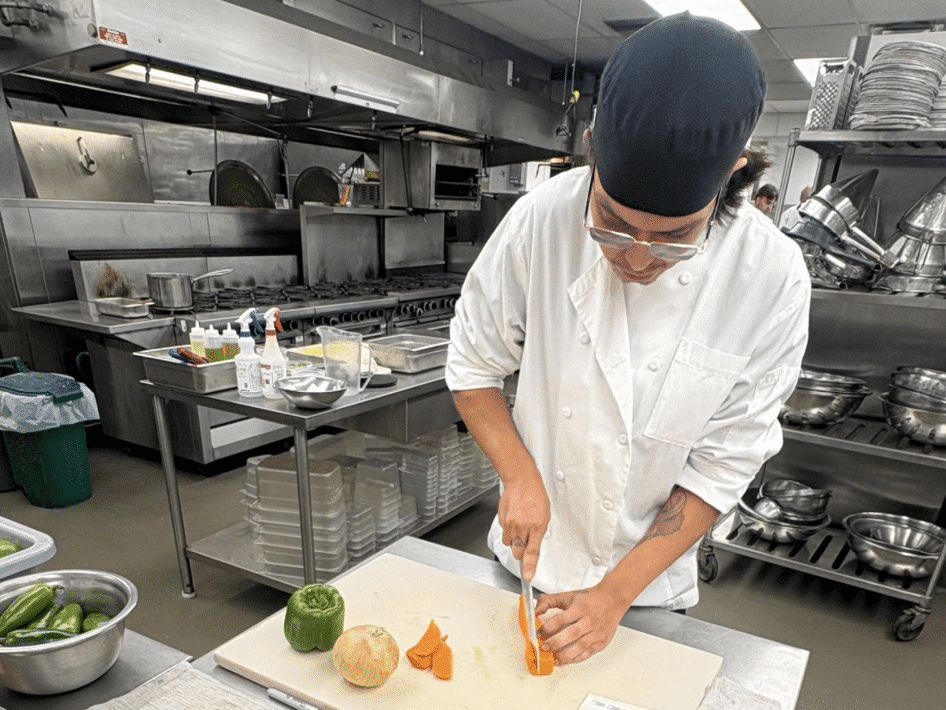
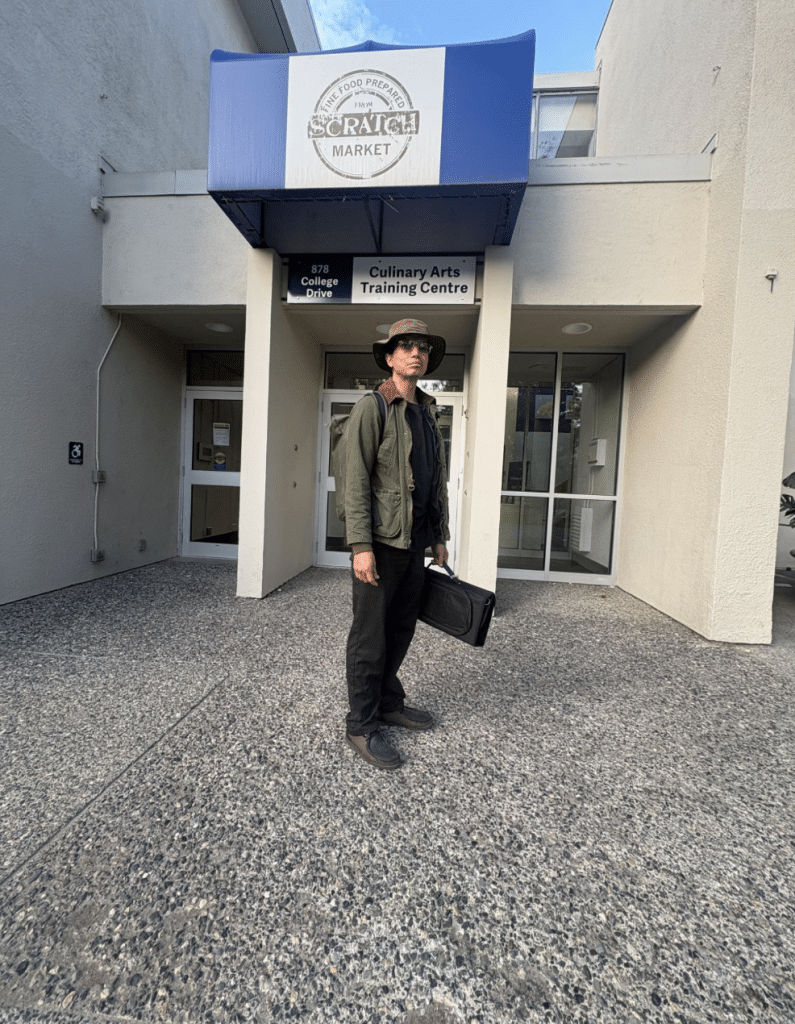
Boyd Jack Dodginghorse carefully chops carrots at the prep station of Thompson River University’s Culinary Arts Training Centre, his hearing aid tuned to pick up the instructor’s voice.
The 28-year-old Secwépemc, Nlaka’pamux and Tsuut’ina Nation student has overcome a lot in life to be here. He was born with NF2, a rare genetic disorder that has taken much of his hearing and the vision on his left side — the same condition that took his mother when he was a child. As a teenager, he struggled with addiction and homelessness.
Now, with two grandmothers in his corner and a love of food, he’s starting a new chapter in TRU’s culinary arts program.
“I knew I could do better and I wanted to see how far I could go,” he says.
Dodginghorse was born in Merritt and raised in Kamloops (Tkʼemlúps), Chase and Neskonlith Indian Band — one of five Lakes Division communities of the Secwépemc Nation.
He grew up with a love of being outdoors, and spent a lot of the time in nature swimming, kayaking, camping, fishing and hunting.
Doginghorse’s mother Alison Jack was Nlaka’pamux, the neighbouring nation to Secwépemc and his grandmother Jennifer Dick raised him in Neskonlith teaching him traditional knowledge.
In Secwepemctsín the word kyé7e means grandmother, Dodginghorse explains, who went to Sk’elep School of Excellence and learned the Secwépemc language.
Dodginghorse was born with NF2, or Neurofibromatosis type 2, a genetic disorder that has caused him hearing loss in both ears, deafness in his left ear, and lost his vision on the left side leading him to wear a prosthetic eye.
By the age six, he started to understand NF2 and how it would affect the rest of his life. Learning new skills like reading and math required extra effort and support. Thankfully, Dodginghorse had two grandmothers, Jennifer Dick and Trudy Jack, dedicated to seeing him succeed, doing everything in their power to help him grow, overcome challenges and reach his full potential.
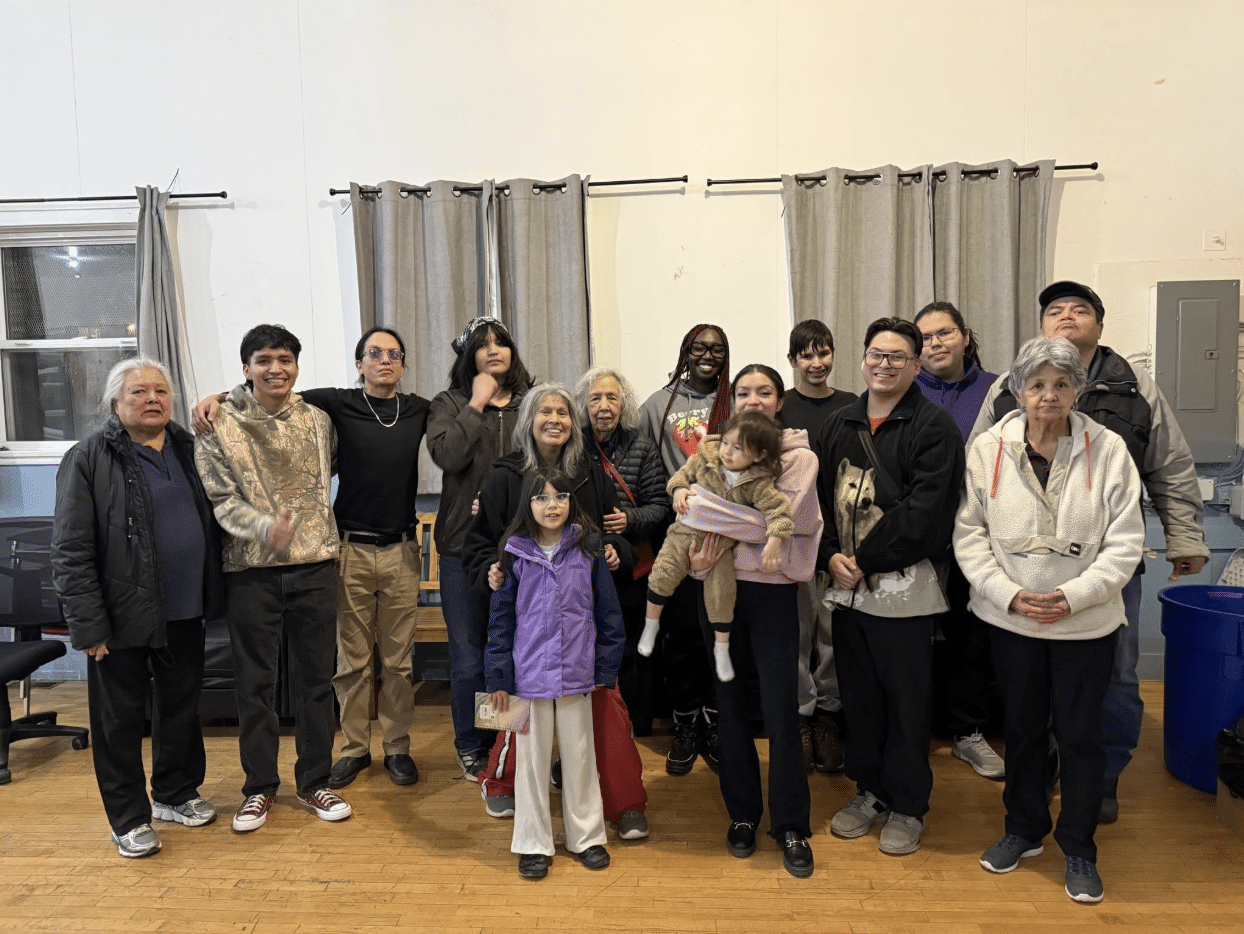
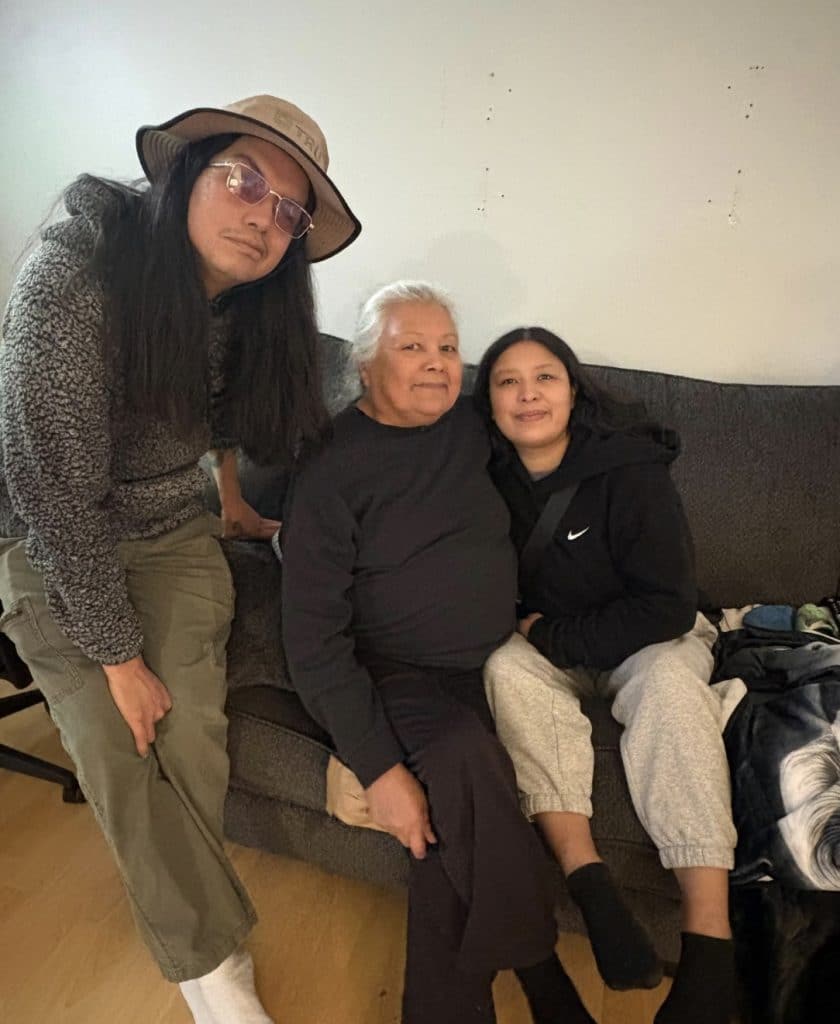
His mother also had NF2 and passed away in her early 30s when Dodginghorse was still a child, something that has affected him profoundly.
“NF2 creates non-cancerous tumours among the nervous system. I had to have various surgeries for hearing, nerve, ear, eye and hand. NF2 has dampened my abilities in school with hearing teachers or peers,” Dodginghorse says.
Dodginghorse speaks about what it was like having a mother that passed away at a young age and having his disorder saying, “I felt like I was thrown into the world not knowing enough about emotions or basic skills. My math and reading was at a very low education level. My dad had to work with me extensively to catch up.”
His first interactions with drugs and alcohol came at a young age, witnessing family and friends using substances, and he eventually became homeless after running away as a teenager.
Dodginghorse overcame these challenges because he wanted more for himself.
“I didn’t like where I was at,” he says.
He started using programs run by the Canadian government, securing subsidized living which helped him focus on getting certificates, employment and upgrading at TRU. His pathway to TRU’s culinary school came with funding support from the Aboriginal Training & Employment Centre.
His advice for people facing homelessness and addiction is to utilize any programs available to them, listen to what people have to say and be willing to start over again.
For many Indigenous people, the trauma from residential school makes it difficult for the next generations to feel safe and included in the education system.
“I was impacted by residential school in all ways,” he says. “Speaking English, predominantly — it also impacted some of my culture. I think a lot of addictions came from residential school even if the person didn’t go,” Dodginghorse says.
“Orange Shirt Day to me … I think it’s more to remember everyday of the ancestors and what they dealt with for us to be here,” Dodginghorse adds.
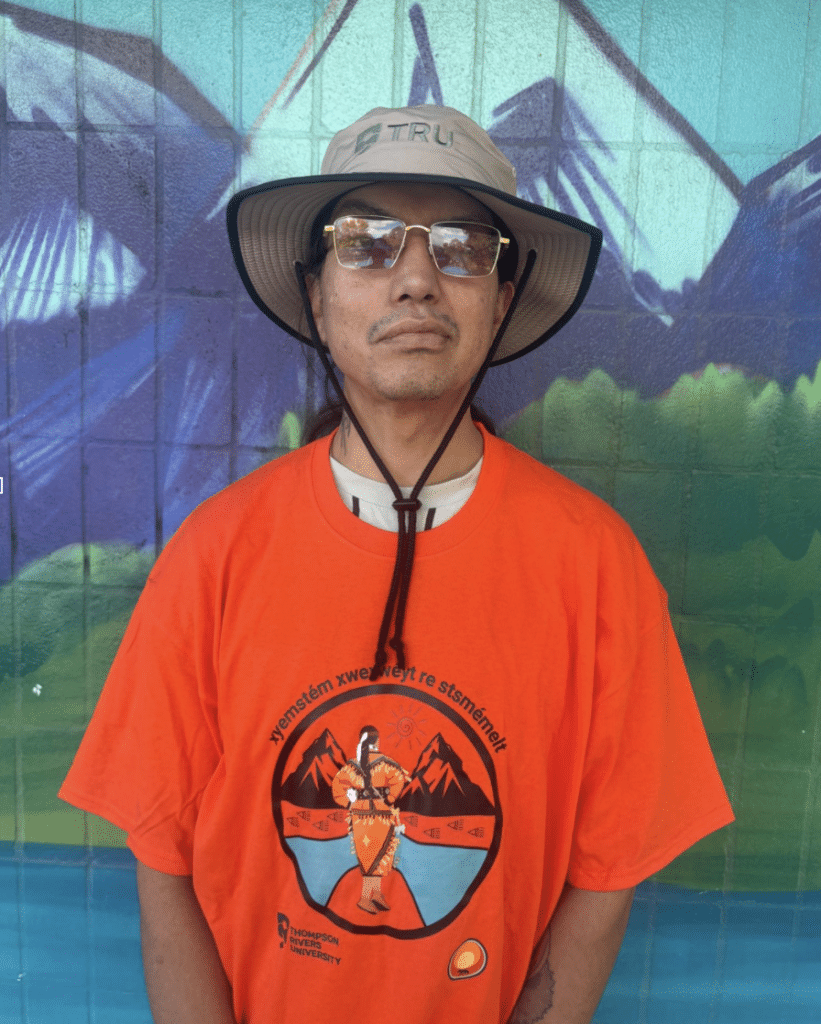
On campus, Dodginghorse frequents Cplul’kw’ten or House 5, which provides a familiar place to study and relax in between classes.
“With House 5 on campus, I feel there is a place for us to go and get help to get the help they need,” Dodginghorse says.
He also finds strength in studying with two other Indigenous students. That representation gives him grounding, he says.
In his culinary class, Dodginghorse uses an accessibility device.
“What I use in culinary arts is a hearing aid. What could be used is a microphone device via bluetooth [that runs] through my hearing aid, so I can hear what the instructor is saying,” Dodginghorse explains.
The classrooms are big and well lit, he adds, and floors well-leveled with an elevator in the culinary arts building.
He advises other students in culinary class to ask peers and teachers for help if they don’t understand something. Students in need of accessibility support can also reach out to TRU accessibility services.
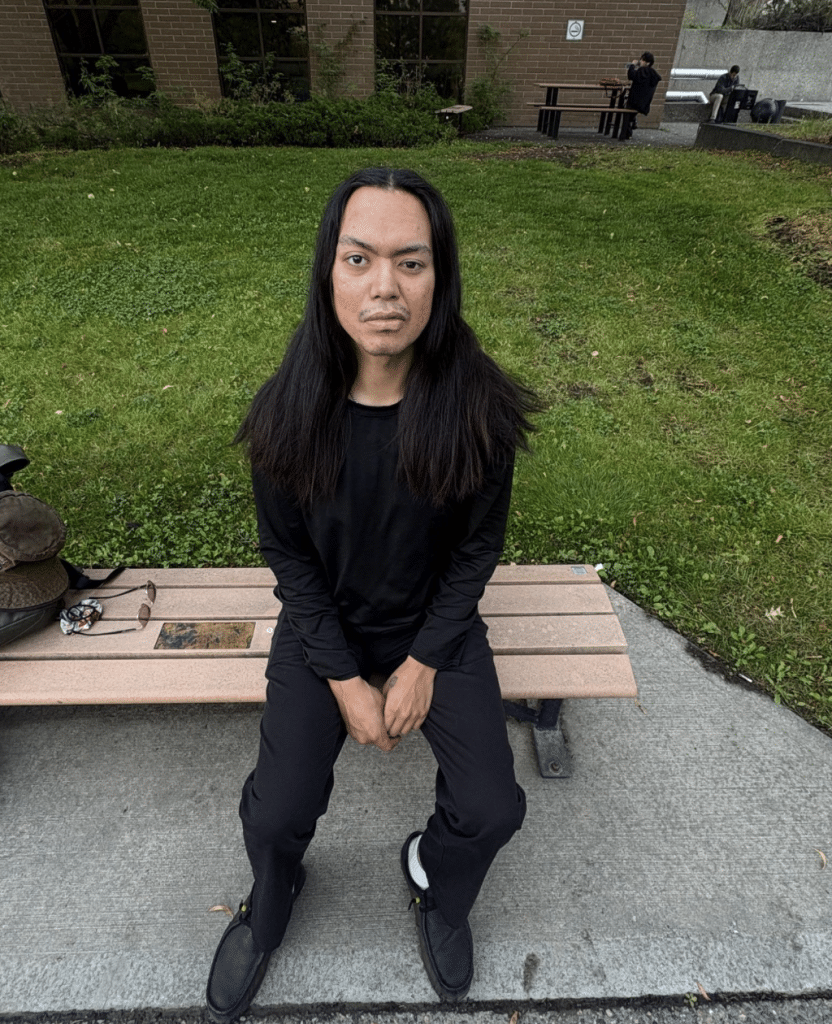
Dodginghorse would like to give a special thanks to a few people in his life who have helped him along his journey to culinary arts at TRU: Jennifer Dick, Trudy Jack, Matthew Jones and Jackie Jones.
When it comes to career, Dodginghorse encourages students to try all types of jobs.
“You might find something you might like,” he says.
For overcoming addictions the first step he says is counselling to learn what is hurting you, go from the bottom to the top and work in reverse to start the healing process. Accept and forgive the past, and move on.
“Then I was able to overcome my addiction and focus on healthier things,” Dodginghorse says.
The Wren is a community driven local news outlet. Your questions and ideas help guide what we dig into. Your feedback after we publish a story helps ensure we're always improving our reporting to better serve you
What do think about this story?
Author

Related Articles
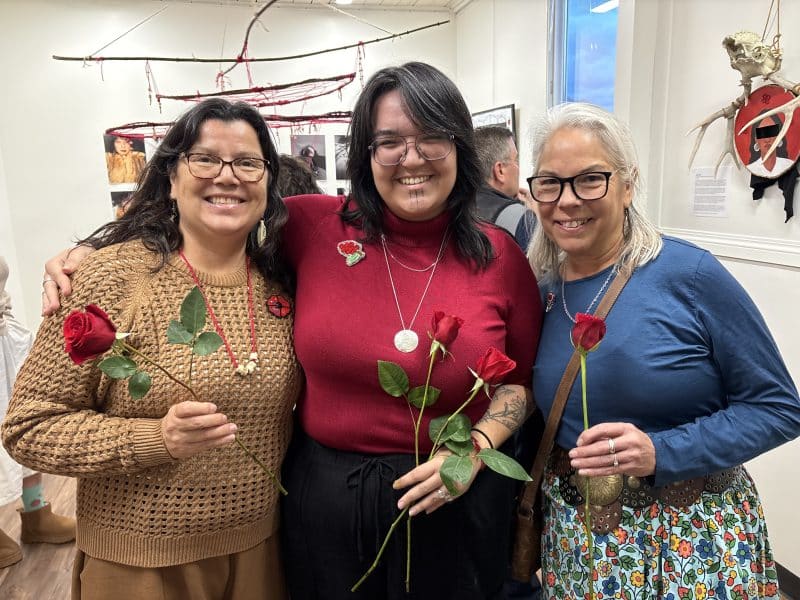
The Stìnesten Gallery marks year-long milestone in Tk’emlúps
Cayuga artist Lesley Garlow unites community members as featured artist at the Red Ribbon Round It exhibition.
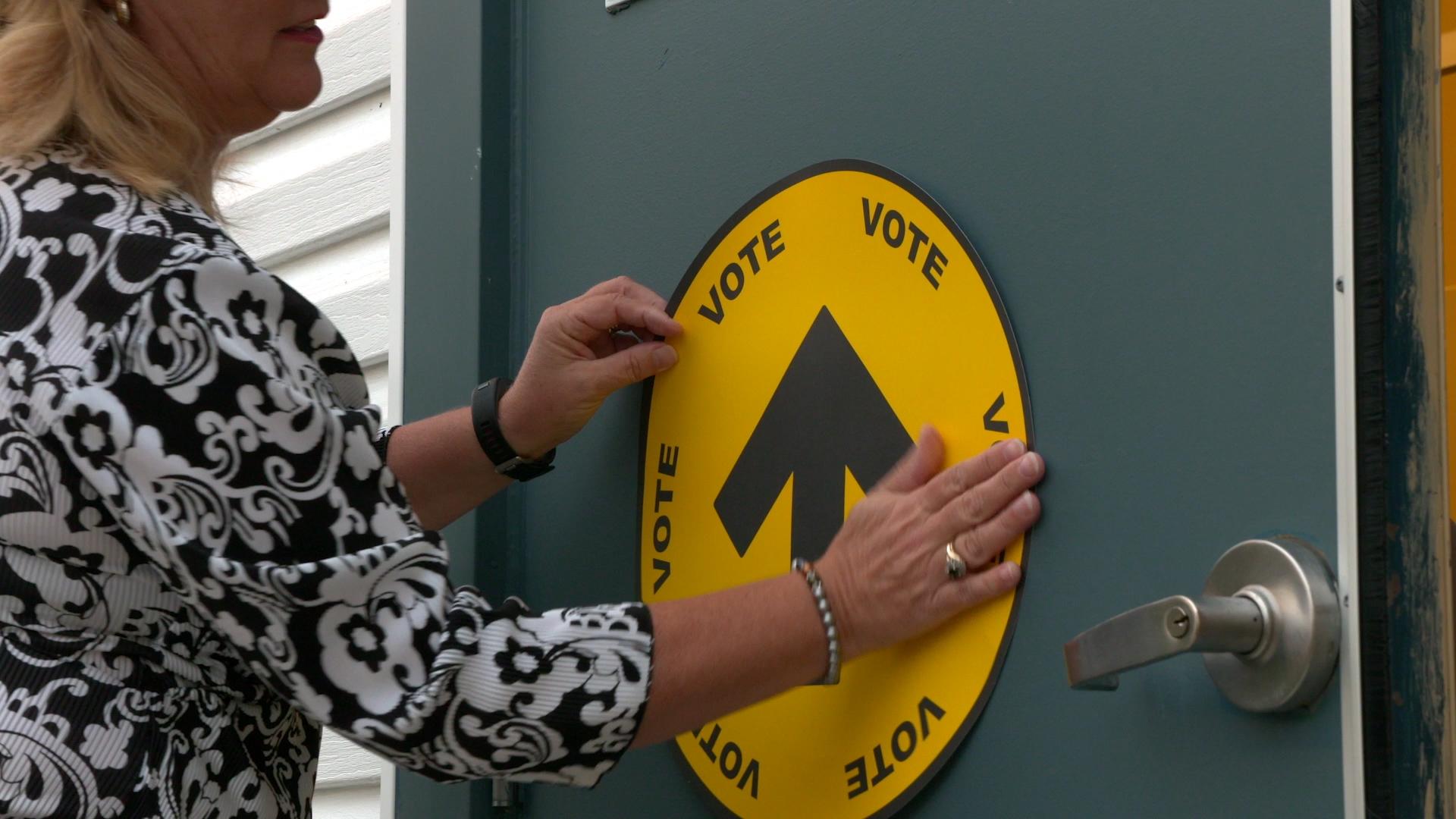
MLA candidates for Kamloops share plans to address affordability ahead of B.C. election
Here’s how Kamloops’ MLA candidates answered the question: What will you do to help with affordability?

How will Kamloops MLA candidates support healthcare?
Here’s how Kamloops MLA hopefuls will address the shortage of primary healthcare providers in small-urban and rural areas.
