While working hard toward her bachelor’s degree in social work at Thompson Rivers University (TRU), first year student Alexa Daniels wanted to find a way to bring her culture to the university.
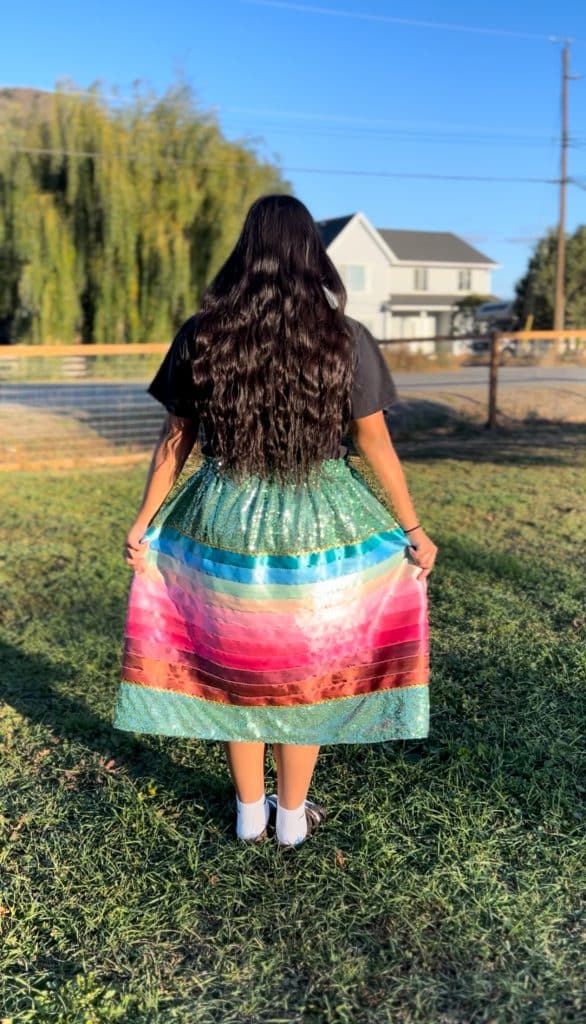
Chatting with a fellow classmate, the 18-year-old Secwépemc/Stony Nakoda student came up with the idea of Formal Fridays, where Indigenous students are encouraged to wear ribbon skirts for a series of weeks in January and February.
“I initially started Formal Fridays to get others to embrace our culture,” Daniels tells The Wren.
As one of a few in her family pursuing a post-secondary education, she also wanted to make her presence known.
During high school, Daniels said she was embarrassed to represent her people and way of life. It was not until she got older and into her senior year that she realized how lucky she was to know much about her culture, so she started to be proud of who she was.
“I have been a powwow dancer my whole life but found my love for women’s traditional style within my early childhood years,” Daniels says.
She was crowned Miss Kamloopa in 2024 at Kamloopa Powwow, which plays a role in Daniels’s confidence as a Secwépemc/Stony Nakoda woman.
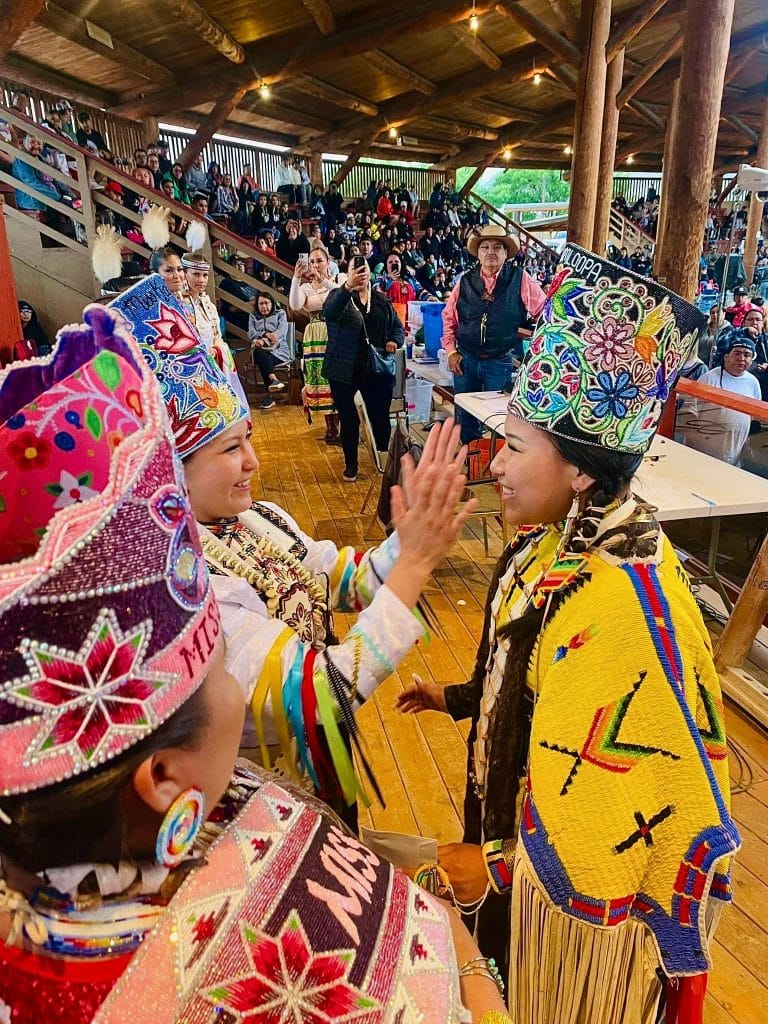
While ribbon skirts can represent different things to different people, for Daniels, it’s a celebration of family and womanhood.
“Normally, women wear ribbon skirts because we are life givers; how we conduct ourselves is sacred and respectful,” Daniels explains.
She is especially proud to wear skirts made by her twin sister Ella Daniels.
“My sister is my number one best friend and biggest supporter,” Daniels says. Wearing a ribbon skirt crafted by her sister helps her feel the love.
“It’s hard to put into words, but I was always told growing up when crafting, especially when for others, to always have good intentions,” Daniels says.
“Your feelings are going into the creation with every stitch, bead, ribbon you lay down.”
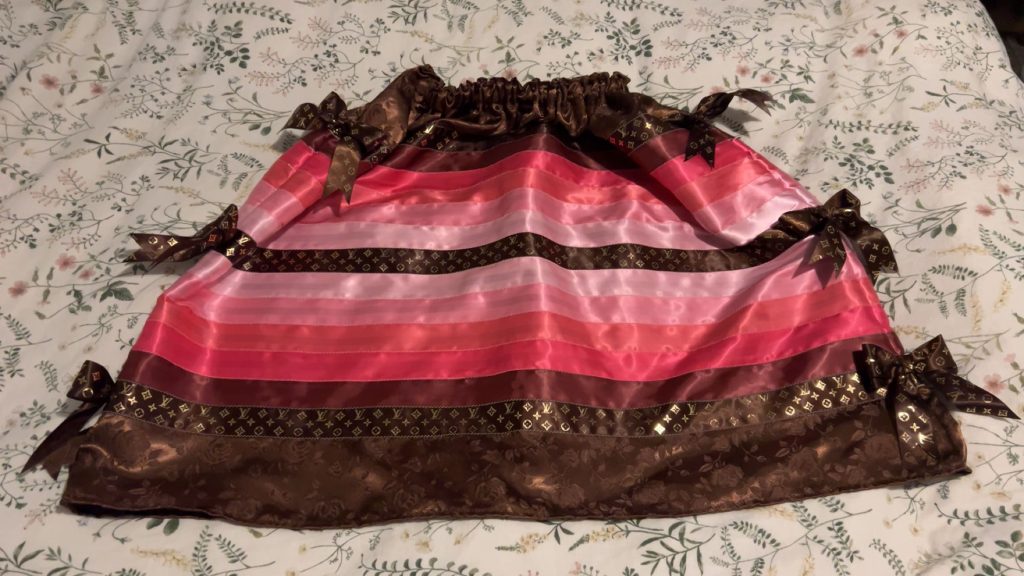
“Ribbon skirts originated from the idea of making one’s own clothing after settlers influenced traditional clothing choices,” Marie Sandy says, a Secwépemc language instructor at TRU from the Texelec area of William Lake and manager at Cplul’kw’ten Gathering Place.
They are often made from cotton and adorned with ribbons, Sandy explains. While ribbon skirts did not originate in Secwepemc culture, they have been adapted by many Indigenous communities, including Secwépemc.
Denise Dunstan is from the neighbouring Nlaka’pamux Nation and a seasonal instructor at TRU. She teaches the course Learning from the Land and Decolonizing Social Work Practice ne Secwepemcul’ecw both in the faculty of education and social work.
In Dunstan’s community, tanning hides is a big part of the culture. People wear traditional clothing with buckskin, buckskin vest, gloves, and skirts, she explains.
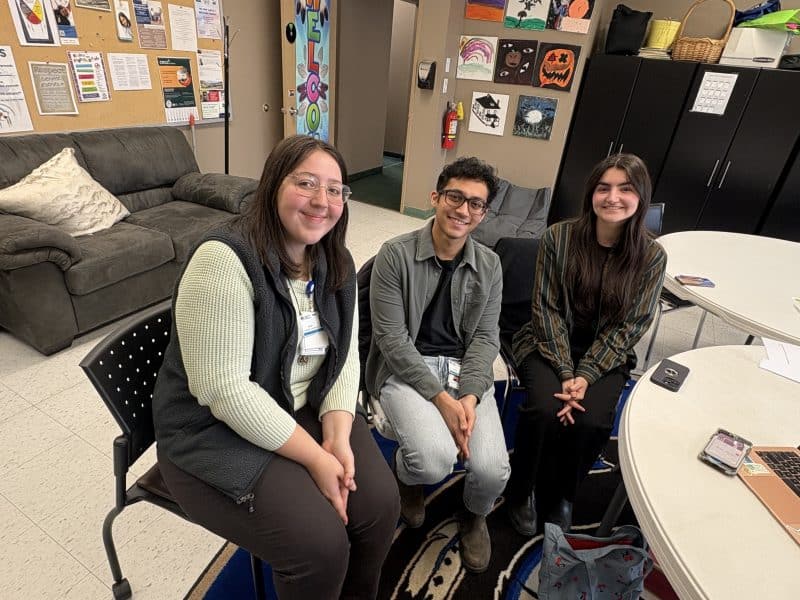
Ciara Reid is a third year bachelor of social work student at TRU. She and Daniels were brainstorming ideas of how to get involved with Indigenous culture in a subtle way when Daniels came up with the idea of Formal Fridays.
“Formal Fridays, in my eyes, is a way to show off Indigenous culture. We often forget how beautiful formal clothes can be and so having somewhere students and staff can express their traditions is refreshing,” Reid says.
“I think TRU is doing a good job letting people become aware of the culture and everything, and so just having positive attitudes towards the Indigenous culture, it makes the biggest difference,” Reid adds.
For Dunstan, making ribbon skirts present in the hallways is about understanding Canadian history, which is a process of decolonization.
“We need to take responsibility now and learn the true history and then go forth and start to decolonize,” Dunstan says.
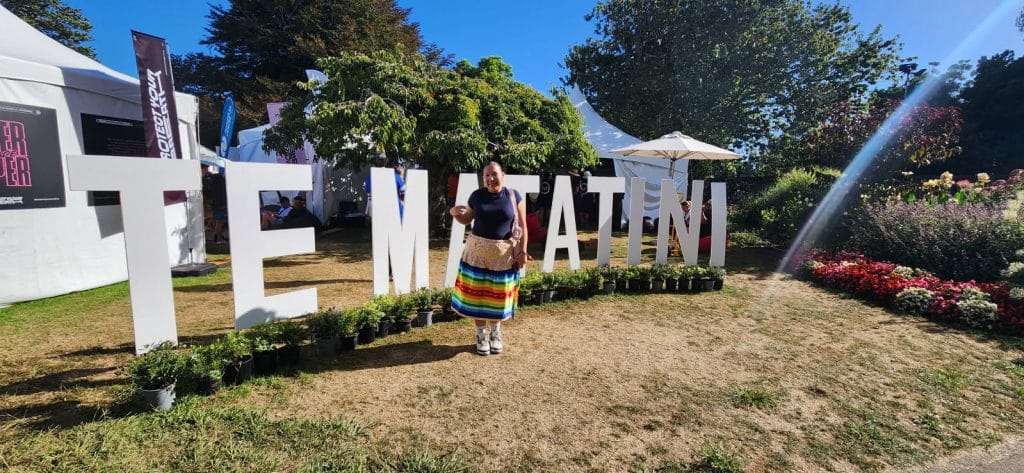
Sandy expresses how TRU can be more inclusive for Indigenous students beyond wearing ribbon skirts; it’s about being involved on campus and participating more.
Supporting Indigenous events, listening to Indigenous voices and creating spaces where Indigenous students are supported and welcomed can help make the campus more inclusive. For example, the first week of March was Indigenous Awareness Week at TRU, where students and staff were encouraged to learn more Indigenous cultures across campus.
“Doing the work is by showing up and learning and participating and maybe learning a little bit of the local language,” Sandy says. “Decolonization is a verb… things that actually actively have to be worked on and not just acknowledged.”
The Wren is a community driven local news outlet. Your questions and ideas help guide what we dig into. Your feedback after we publish a story helps ensure we're always improving our reporting to better serve you
What do think about this story?