
Kamloops climate action advocacy groups you should know about
The Wren spoke to different Kamloops-based groups that focus on sustainability, the environment and climate action.
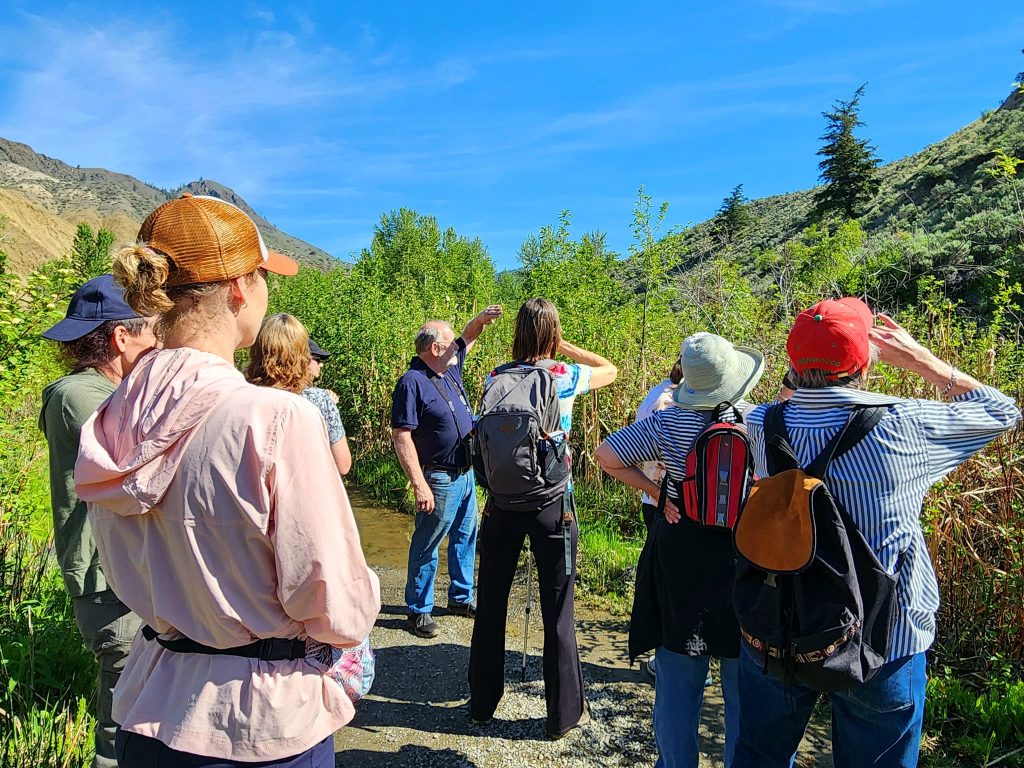
Climate anxiety, or fear related to the future of the plant, is on the rise globally. One of the largest surveys conducted on the topic found people are suffering from climate anxiety on a large scale. While this is a sweeping issue, the survey also found those with climate anxiety are finding an outlet for their fears – pro-environmental activity and activism.
In a survey of our own, readers told us one of the main concerns they had during the B.C. elections related to climate change, and our recent story investigated how Kamloops city council reduced funding for an ambitious Community Climate Action Plan. We’ve heard from the politicians, both municipal and provincial on climate change, so our next step was to talk to local organizations about what individuals can do.
Luckily, Kamloops is home to many organizations offering folks the chance to make a change. The Wren previously chatted with the Kamloops Food Policy Council, which is working to provide food sovereignty in the community with sustainability initiatives and Transition Kamloops, which works on social resilience with climate action. Here are a few more organizations working on climate action in Kamloops.
Kamloops Naturalist Club
The Kamloops Naturalist Club was founded in 1981 and is one of over 50 local nature clubs in B.C. focused on wide-ranging interests including bird and wildlife watching, the study of plants, mushrooms and geology.
Nancy Flood is the president of the Kamloops Naturalist Club and says the club has become a way to connect people with nature and other naturalists.
“We have a membership of slightly over 200 right now of all ages,” she shares.
The club offers different types of annual memberships for individuals, students or families. There are different benefits like attending field trips and meetings, and a membership to B.C. Nature which is linked to an extensive network of naturalists and resources around the province.
In addition to field trips and habitat clean-ups, Flood says the organization collaborates with the city and other groups.
“We advocate for nature a lot, we write letters, we do all kinds of different projects and we do a lot of education,” she explains.
Jesse Ritchey has been a lifelong resident of Kamloops and is going on his seventh year as program manager for the club.
Public education is the club’s main focus, and he says there is a monthly meeting with different speakers.
“We have our own projects that we do in terms of directly enhancing habitats or protecting habitats,” Ritchey adds.
In addition to advocacy for land use management, eco-friendly urban planning and conservation, the club was also involved in drafting the eight Big Moves of the Community Climate Action Plan, which seeks to maintain healthy ecosystems.
“We’ve been definitely working with the sustainability office and trying to look at different ways to promote support for the [Community Climate Action] plan. We were opposed to the funding for the plan being cut,” Ritchey says.
The club is open to anyone who might want to join in climate action and advocacy efforts, as well as those looking for low-commitment ways to get involved.
“A lot of people who aren’t members of the club subscribe to the info line,” Flood says. “We advertise any walks or activities that we’re doing.”
While Kamloops has experienced the impacts of climate change, like wildfires, droughts and flash floods, Flood says the club offers a chance to connect with nature, while working to protect it.
“We have wonderful parks so there’s lots of access to nature and we want to be sure that access continues to exist and we want to share with people how wonderful nature is and how to protect it and how to enjoy it.”
Kamloops Cycling Coalition

The Kamloops Cycling Coalition is a volunteer-run, grassroots organization that has been registered under the B.C. Societies Act.
Bryce Granger is one of the founding members and secretary of the organization.
“The goal and the aspiration is to promote cycling in Kamloops, and that ranges from community engagement, involvement with our membership and advocating with local and various levels of government for better cycling infrastructure,” Granger says.
One of the main activities offered is a monthly meeting on the second Tuesday of every month. The organization is looking for members with ideas for everything from repairs to advocating for bike racks. There are also advocacy opportunities, as well as events focused on children and young people.
The coalition has managed the bike valet for events like the Kamloops Farmers Market, and see it as an important outreach tool to connect with locals and take their thoughts back to the city.
“We spend a lot of time engaging primarily with the city regarding what we would like to see or what we would hope to achieve for cycling infrastructure and active transportation,” Granger says.
Bikes are an important piece of climate action, helping to reduce carbon emissions, Granger says.
Membership to the coalition is free, and Granger says the group is seeking more people to get involved to boost advocacy.
“When we are talking with the City of Kamloops about improving cycling infrastructure we can show them that there are indeed people here that want to ride their bikes,” Granger says.
To join the Kamloops Cycling Coalition and volunteer you can contact kamloopscyclingcoalition@gmail.com. For membership register on their website.
Thompson Shuswap Master Gardeners
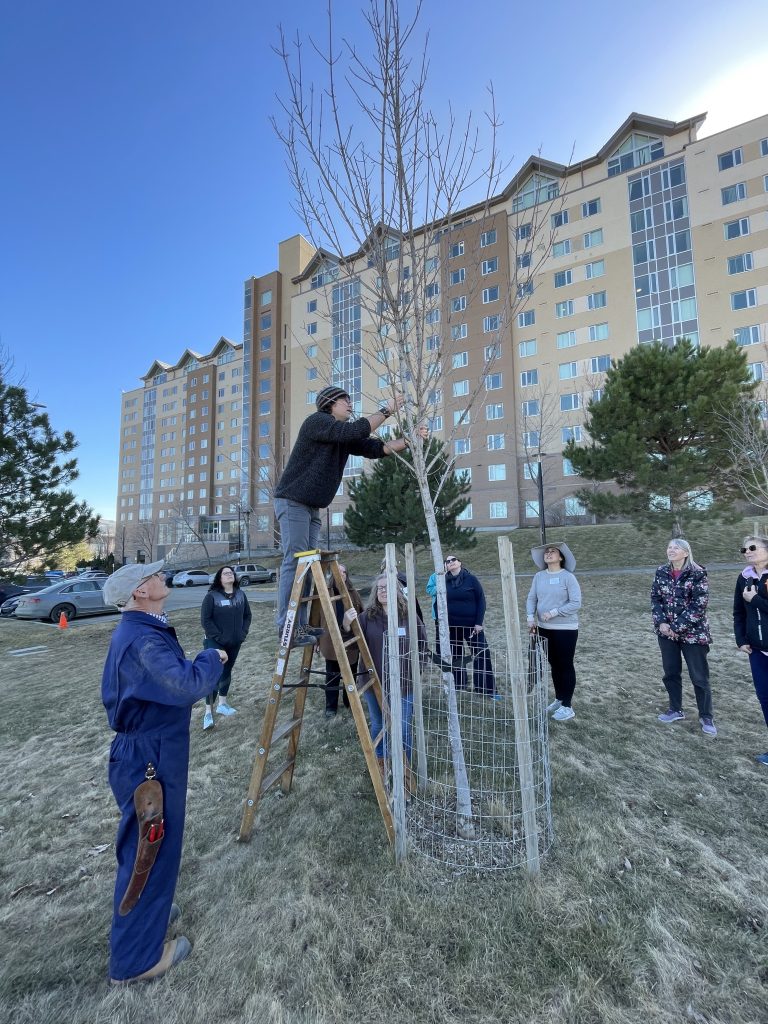
The Thompson Shuswap Master Gardeners started in January 2010 with the objective to educate on environmentally-responsible gardening practices. Some members are located in Kamloops, Lillooet, Salmon Arm, Merrit and surrounding areas.
Elaine Sedgman is the president of the group and has been a member for 14 years. All the advice they give and the conversations they have surrounding gardening are science-based, she explains. Members research for peer reviewed articles, or information that has been published by reliable sources like universities prior to sharing.
Corene McKay is a member of the club and decided to join because she became interested in gardening.
“I think there’s a misconception that the master gardeners are all like perfect gardeners, and really, we’re just plant nerds. We are gardeners who are interested in life-long learning and sharing information with others,” McKay says.
The group was part of the Pollinator Festival where they partnered with the Kamloops Farmers Market, and in addition to participating in similar events, talks and information sessions, the group also works in and around the community.
“A couple of our members actually garden at the Kamloops Regional Correctional. They start the plants and help some of the people grow the plants,” Sedgman says.
Members are volunteers, but must complete the master gardener basic training program offered through a master gardener chapter or an associated educational institution. The program covers theory and skills, combined with volunteer service.
Members pay a small due but they do have to take 70 hours of training.
“You have to be really committed and what we really want is people to carry on as a master gardener,” Sedgman says.
The group focuses on more sustainable gardening practices including “xeriscaping, building healthy soil by using mulch and not tilling, not using pesticides, using lawn alternatives, planting flowers for pollinators, gardening with native plants,” McKay says.
The Wren is a community driven local news outlet. Your questions and ideas help guide what we dig into. Your feedback after we publish a story helps ensure we're always improving our reporting to better serve you
What do think about this story?
Author

Related Articles

This Tk’emlúps midwife is helping improve reproductive health care access in Secwepemcúl’ecw
With ongoing barriers to maternity and reproductive care, Kamloops-area midwife Sage Thomas believes her profession can provide a continuity of care for families.

Bringing colour and connection to Kamloops: How public art came to be
Ever wonder what brought all the murals to downtown Kamloops? Here’s what local organizations have done behind the scenes to bring public art to the city’s walls.
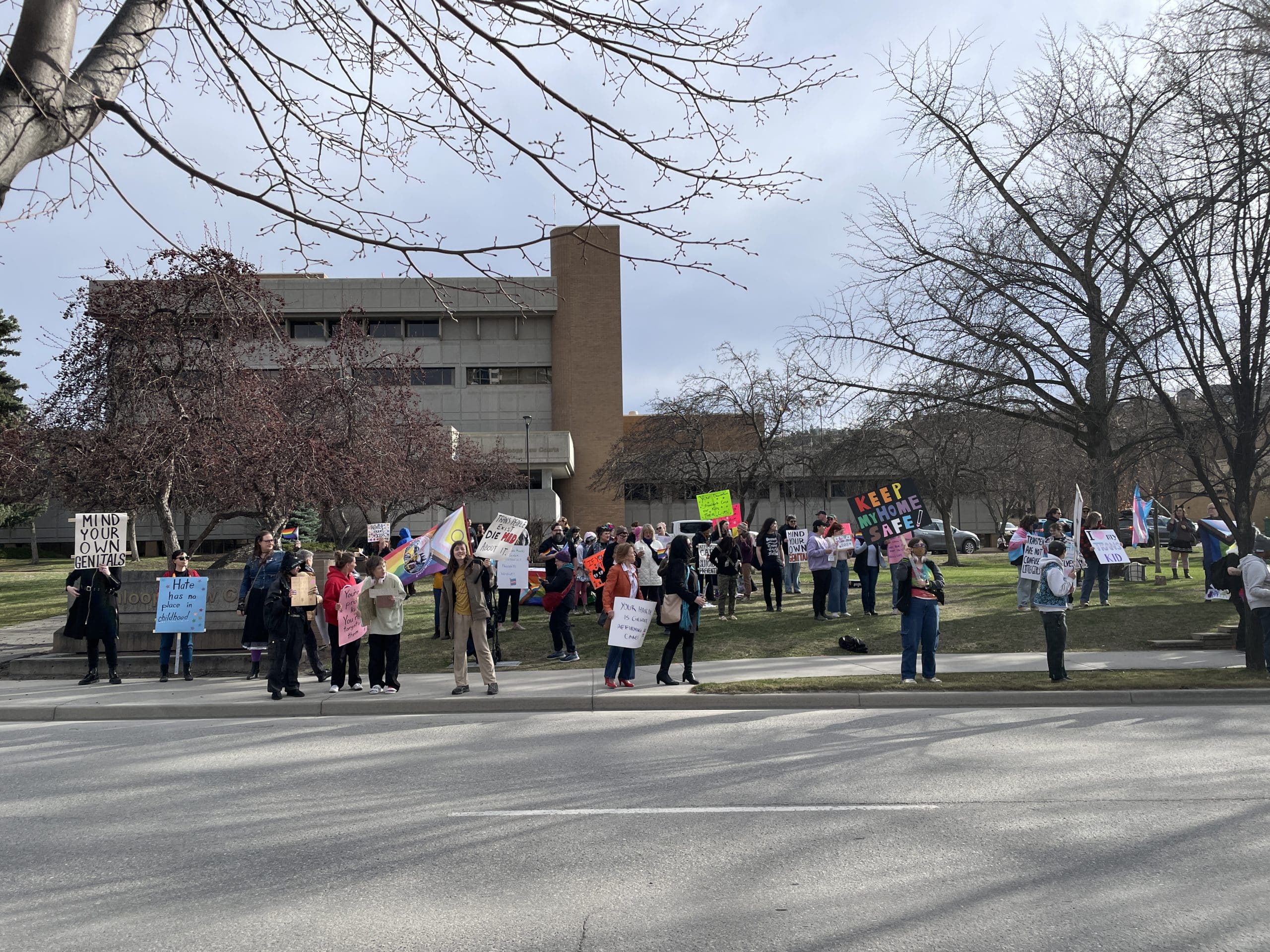
Kamloops trans rights advocates call for B.C. politicians to ‘stop using the lives of marginalized people as an opportunity to play political games’
After Kamloops MLAs voted in favour of debating an anti-trans bill, community members called for the protection of trans rights.
