![A sign states "Unless your dog can do this... [the image shows a dog picking up poo from the ground with a broom and dustpan] clean up after them and use leash when required. Bylaw 34-26.
Dog poop in Kamloops](https://d10i6mtcnfwvez.cloudfront.net/wp-content/uploads/2025/08/26144101/IMG_0056-1024x768.jpg)
Dog poop on trails, in parks and across open spaces has become a stinky source of frustration for many Kamloops residents. The issue has sparked conversations among The Wren’s readers, in local Facebook groups and with pet owners who want to see cleaner, safer shared spaces.
For Madison Barclay, who is has cared for dogs most of her life, the problem is part of her everyday experience while out walking her four-year-old Australian cattle dog, Mishka.
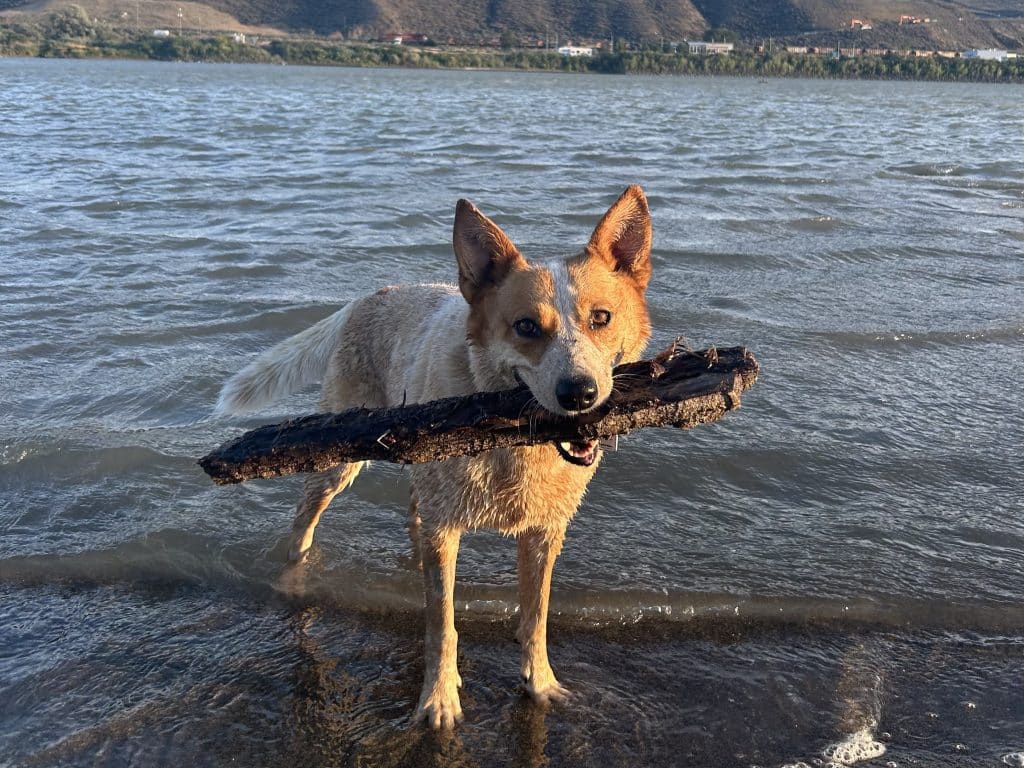
In addition to walking trails without many people, Barclay and Mishka frequent the Rivers Trail downtown. Near the dog park she often finds bags of dog poop left in the parking lot.
The city moved the garbage can that used to be on the right side of the trail, Barclay explains.
“People now leave their dog poop bags right where the old garbage can was because they’re too lazy or just don’t know about the garbage can that is 10 feet away from them.”
When she sees dog poop left behind she picks it up and disposes of it in the garbage.
“I’m picking up around 10 bags of dog poop…who knows how long they’ve been there,” Barclay says.
Barclay isn’t alone in spotting these unsightly instances. Another local Kelly Out shares the same frustration. Out has been a Kamloops resident for over 20 years and she normally walks on trails with her dog Rhone in the hills and mountains in Kamloops.
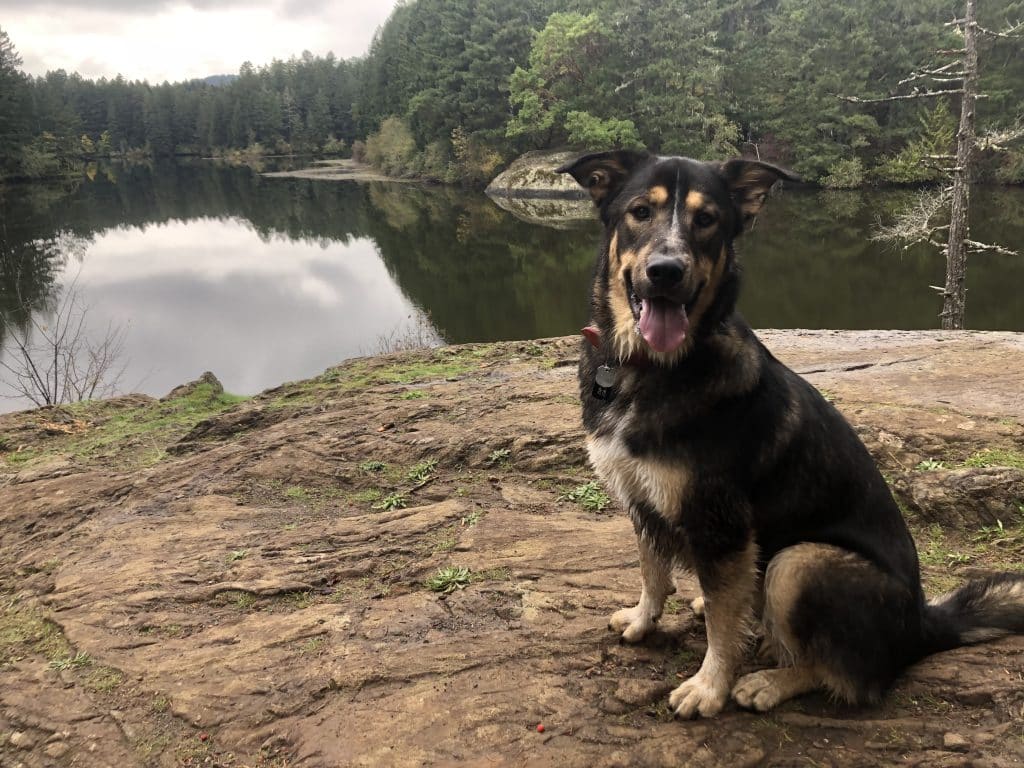
She avoids dog parks in large part due to the dog poop left behind.
“I see a tremendous amount,” Out says. “I’ve taken pictures of it of poop wrapped in plastic left on the trails.”
Occasionally during her walks she sees feces degrading naturally, but more often bagged dog waste litters the ground. Bagging dog waste is only half of the job, and leaving the bag on the trail isn’t the solution many folks think it is, Out says. In addition to being litter, many dog waste bags take months to years to biodegrade.
“I do believe that we should be cleaning up our dog’s mess,” Out says. “I don’t think wrapping it in plastic every single time is good. If you cannot stand the thought of walking around with a bag of your dog’s poop, don’t get a dog.”
Others share similar sentiments, with local Adriana Herrera saying left behind waste makes public spaces worse for all.
So what’s the deal with all the doo-doo?
“I think sometimes people put it in a bag and plan to come back and then take a different path or sort of forget about it,” Kirsten Wourms, natural resources crew leader for Kamloops speculates. “Some people might be embarrassed to pick it up, and I think some people honestly just don’t care.”
Dr. James Sudhoff, veterinary technology professor at Thompson Rivers University and long-time Kamloopsian, shares why he cares about poo-free paths, and why pet parents and nature lovers should too.
Wellness, wildlife and water: The consequences of forgotten feces
From parasites to toxins, deserted droppings can have serious and costly consequences for our furry friends and wildlife alike, Sudhoff explains.
“Some dogs are very prone to seek out and eat poo,” he says.
If a dog is infected with intestinal worms, these parasites can be transferred causing illness in other animals.
“Round worms, tapeworms are some examples. They live in the digestive tract of the animal. They form eggs that get passed out into the feces and these are microscopic. We can never see them,” Sudhoff says.
While healthy pets with good digestive tracts who come into contact with infected or toxin-filled number twos are often able to pass it without problem, some populations such as puppies or dogs with compromised immune systems may require medication and vet care.
Abandoned excrement can also pose complications for wildlife, Sudhoff says, explaining that dogs are place markers, and their waste can often contain scents that claim the area leading to “wildlife and domestic interface.”
“You could be sending signals to wild animals that there are other animals encroaching on their territory,” Sudhoff says.
Parasites can also be passed to similar species, such as foxes, coyotes, wolves and in rare instances, humans.
“It’s really important to keep picking up feces so it doesn’t sit around long enough that parasites within them have a chance to sporulate and go through their different laval forms and become infectious,” Sudhoff says.
Waterways, particularly small, flowing bodies of water can also be at risk if an abundance of waste is left behind, Brian Heise, aquatic ecologist and professor in the department of natural resource sciences at Thompson Rivers University explains.
“My concern would be where those trails come close to a water body. The smaller the water body, the more concentrated any effects are going to be from that fecal material coming out of the dogs.”
Although Heise says dog poop won’t cause major effects unless it’s in large volume, the issue can be more aggravated in the spring when poop combines with snow melts in the spring and flushes into other bodies of water.
“When that goes into the water, it gets decomposed and that decomposition takes up oxygen,” Heise says. “So if you had an overabundance of a big pile of poop, for example, in a local area, then you could get lower oxygen levels in the water as a result.”
Springtime is also when Wourms’ department gets the most complaints about dog waste.
“When the snow melts, a lot of it shows up,” Wourms says.
While she says she feels most people are good about picking up after, she acknowledges it’s still an issue.
What to do about the doo-doo?
Kamloops’ Dog Responsibility and Control Bylaw No. 34-42 imposes a $100 fine to owners who fail to clean up after their pets, but enforcing the bylaw is challenging, Wourms explains.
“There has to be a community services officer there to see it happen to be able to fine you,” Wourms says.
In Kamloops, the vast number of trails and parks outnumber community services officers.
While Wourms and her staff go to trails at least twice a season, “we don’t have anyone to go around and look for poop,” she says.
Ultimately, the responsibility of waste removal is on pet parents, and the city tries to make it easy.
“At all of our main trail entrances, and depending on which designated trail it is like the Rivers Trail, there actually are dog poop bag dispensers along the way so people can actually pick up dog bags,” Wourms says.
The city’s website includes all the parks and trails available in Kamloops, along with details of which have garbage bags for dog poop.
Trash cans are placed within 50 yards of the head of the trail for easy access, Wourms adds. But with nature comes wildlife, and garbage can attract bears and other animals.
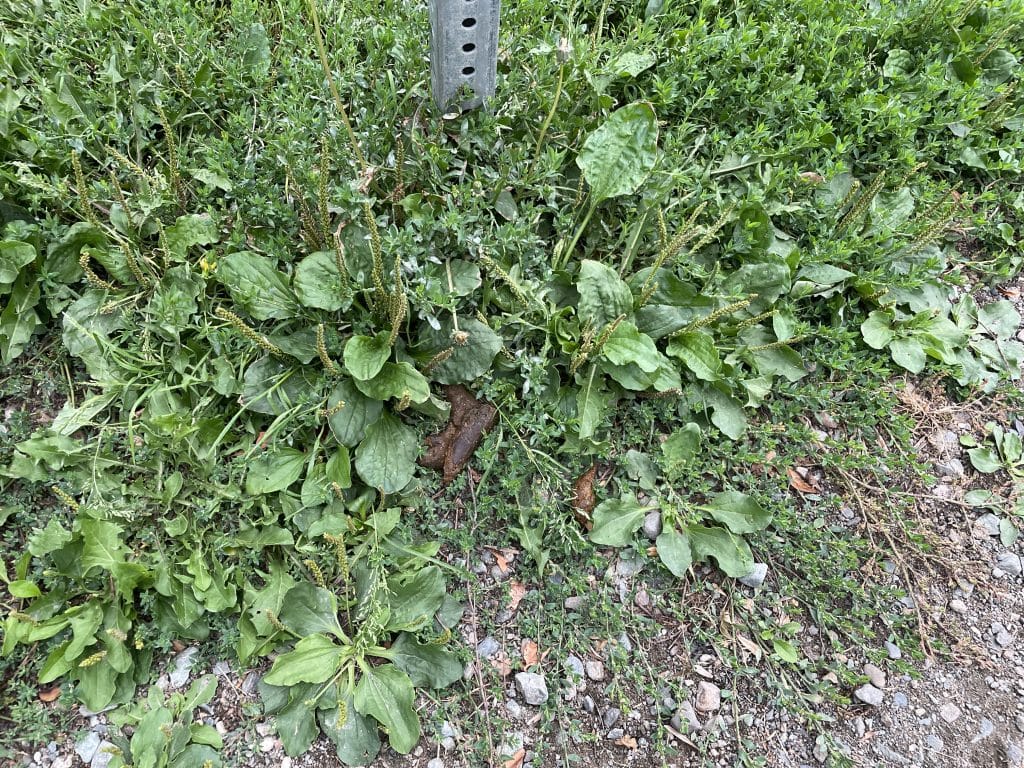
“We’re trying to look at if we can install a bear can and space them out a little bit more. We don’t want to create that attractant,” Wourms says. “I think the best thing to do is not create conflict, but help people out.”
Offer a bag to a fellow trailblazer if they need, but avoid getting into arguments or disagreements Wourms suggests.
Residents can also send a Request for Service to the city and a community service officer can look at the matter and assess the situation. This service is used for any bylaw violations.
Another option is to participate in the adopt- a-road or the adopt-a-trail program. Volunteers can assist the city with the upkeep of roadsides and clear trails of litter. This program has been in effect since the 1980s and has around 127 groups and individuals associated with 38 trails and 50 kilometres of roads.
Finally, Wourms reminds those spending time in nature with or without their pets the golden rule of recreating: “Pack it in, pack it out.”
So do we. That’s why we spend more time, more money and place more care into reporting each story. Your financial contributions, big and small, make these stories possible. Will you become a monthly supporter today?
If you've read this far, you value in-depth community news