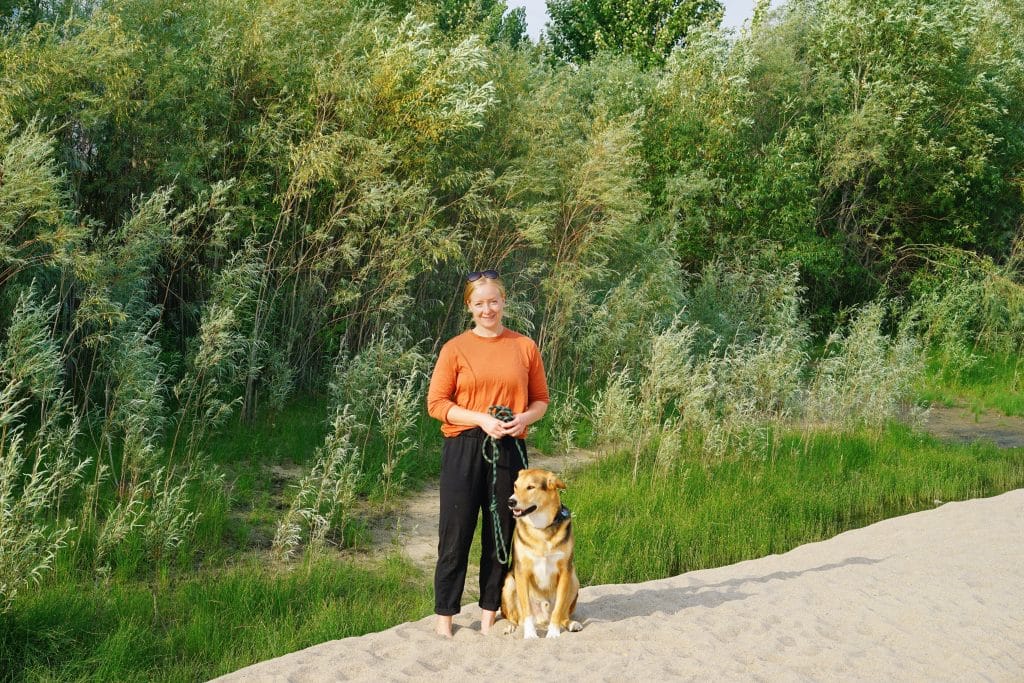
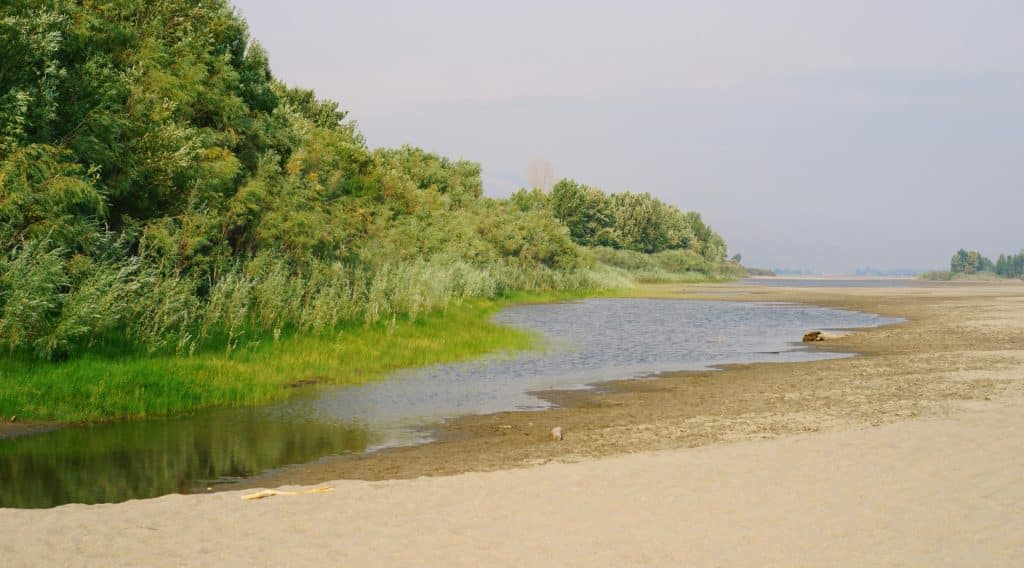
Local biologist Brianna Powerie is urging Kamloopsians to proceed with caution when recreating near forested or bushy areas along the riverbank, known as riparian zones, as she says different species of shorebirds nest on the ground within the vegetation there.
Kamloopsians should proceed with caution when shorebirds and other animals nest, especially in lesser-known or less-frequented areas where wildlife may choose to nest or borrow because of a lack of human activity, Powrie says.
She wants to inform Kamloopsians about the possibility of disturbing nesting shorebirds after witnessing a dog chase a pair of spotted sandpipers through a riparian zone near Mission Flats. While the dog surely enjoyed the excursion, the sandpipers did not and were clearly in distress, she says.
While sandpipers aren’t listed as an at-risk species in B.C., Powrie says they are migratory birds which are protected under the Migratory Birds Convention Act.
“Under the act, Canadians can’t harm the birds or move or destroy their nests,” she explains. “This is because migratory birds as a whole are in decline. So, anything we can do to protect these birds, mitigate harm and help them successfully nest is good.”
On an ecosystem basis, Powrie says Kamloopsians should also take care to tread lightly on rare ecology zones, such as bunchgrass, ponderosa pine and dry interior douglas-fir ecology zones for example.
After speaking with Powrie, The Wren contacted Jesse Ritcey, program manager at The Kamloops Naturalist Club, to learn more about how dog owners can recreate with caution when out and about in nature.
Know where to go
In an email sent to The Wren, Ritcey explains having dogs off-leash is an excellent source of exercise – that said, dog owners should try their best to be “nature friendly,” which means sticking to dog parks and designated off-leash trails and beach areas.
Kamloopsians can rely on the city’s dog park directory and map to familiarize themselves with this information, Ritcey explains.
“If you do want to get out into the wilderness, first find out if the area you’re visiting is private property, grazing lease, reserve land, or a B.C. Park, in which case you may need special permission to be there, and pets will need to stay on leash unless otherwise posted.” Lac Du Bois grasslands north of Kamloops and Tranquille Creek are areas he says he often observes people mistakenly running their dogs off-leash.
Safety first
In an interview that followed, Ritcey went on to say that Kamloopsians should also be aware of safety issues for themselves and their dogs.
You should keep your dog fairly close to you and always within eyesight when out in nature, Ritcey says. While dogs can pose problems for wildlife, wildlife can also pose problems for dogs if they encounter rattlesnakes for example, which, if bitten, may require anti-venom.
He also urges folks to be aware that dogs can “give chase” to large animals like bears and reminds dog owners to carry bear spray in case your dog ends up leading a bear back to your location.
Deer and bighorn sheep can even be a danger to dogs if provoked, as well as urban deer, which are on the rise, Ritchey says.
“Another danger is coyotes, especially in the spring when they’re mating and are really active, out more in the daytime and are very social.”
Dogs can also dig for rodents like mice, marmots and voles, which can pose a problem for predators like owls, eagles and other large birds who hunt the rodents, he explains.
They can also eat turtle eggs, which he says are very sensitive and give off a strong smell in the first couple of days after being laid. Additionally, Ritcey says dogs can hunt and play with salmon in shallow streams where salmon spawn, which can be very distressing for the fish.
“Dog owners should really make sure to be careful around creeks and waterways as they’re especially sensitive ecosystems,” he explains.
This includes cleaning up dog waste, as it can transmit diseases to wildlife and pollute waterways, he says.
Lastly, there are also some types of seed heads that can be quite unpleasant if caught in your dog’s fur or lodged in their skin.
“The impact is really quite varied in terms of all sorts of different animals that can experience negative effects from off leash dogs,” he says.
All in all, Ritchey suggests dog owners make sure to keep dogs in sight at all times to reduce the chance of harassing wildlife.
“Dogs are really good predators, and unfortunately, what owners might perceive as just playing can be a matter of life and death for wildlife.”
The Wren is a community driven local news outlet. Your questions and ideas help guide what we dig into. Your feedback after we publish a story helps ensure we're always improving our reporting to better serve you
What do think about this story?