
Mixed Secwépemc and settler artist Tania Willard shortlisted for the 2025 Sobey Art Award
‘I’m just really grateful to the land, my family and my community,’ Tania Willard says of the recognition.
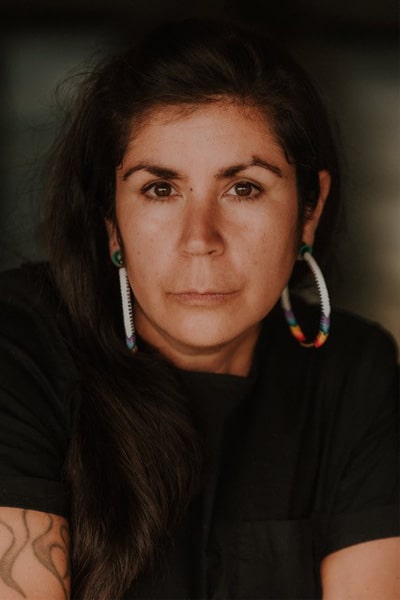
Tania Willard, mixed Secwépemc and settler artist, has been shortlisted for the 2025 Sobey Art award. Her work centres art “as an act of Indigenous resurgence,” focusing on culture, land and family.
Born in Kamloops (Tkʼemlúps), Willard currently lives in Niskonlith, where she is an artist, curator and teacher at the University of British Columbia Okanagan in the visual art program.
“I try to speak to a lot of contemporary kinds of issues, both in a social way, but my focus has been a lot land-based,” Willard tells The Wren. “In the last little while I lived surrounded by the forest in Secwépemc territories. As a Secwépemc and settler background person, I take time to value and learn from my community and family and the land here, and that’s been really important to my work.”
Some of her projects include the BUSH Gallery which is a collaboration with Gabrielle L’Hirondelle Hill, who is Métis, and Peter Morin who is Tāłtān.This project focused on Indigenous territory, experiences and rights. The gallery explored ways art has been regulated by centring Indigenous life, traditions, knowledge and cultures.
While the thread of community, connection, land and language exist throughout her work, Willard became more inspired with motherhood.
“Having children really kind of pushed me to consider art practice and curating very differently, because I was very aware of the limitations of a Western art frame, or Western art model,” she explains. “So that was really important for me to explore what Secwépemc models there were for art.”
Previously engaging in work that tended to be city-based and focused, building a family closer to nature helped Willard envision a “wider scope” for her art practice, along with a lack of options for Indigenous art.
“Canada never built infrastructure for Indigenous peoples to have or show or participate in Canadian culture writ large, in terms of galleries and museums,” she says.
In thinking about that dynamic and its continuing impact, Willard shifted her mindset.
“I just started to make art on the land and think through that and think less about white walled gallery spaces, although I continue to work in them and always have, but I wanted to expand ideas and notions.”
While innovative in this work, Willard also acknowledges those who came before her.
“There’s such a rich tradition of artists and different kinds of alternative spaces of showing work or talking about art or engaging in art and communities.”
Willard has also focused on projects which support language revitalization in Secwépemc communities, working as the treasurer for one of the local language organizations. In that role, she does art practice to create language curriculum, as well as revitalize traditional artistic methods and materials.
Willard’s work has been showcased at the Kamloops Art Gallery, Vancouver Art Gallery, Forge Project, the Anchorage Museum and others.
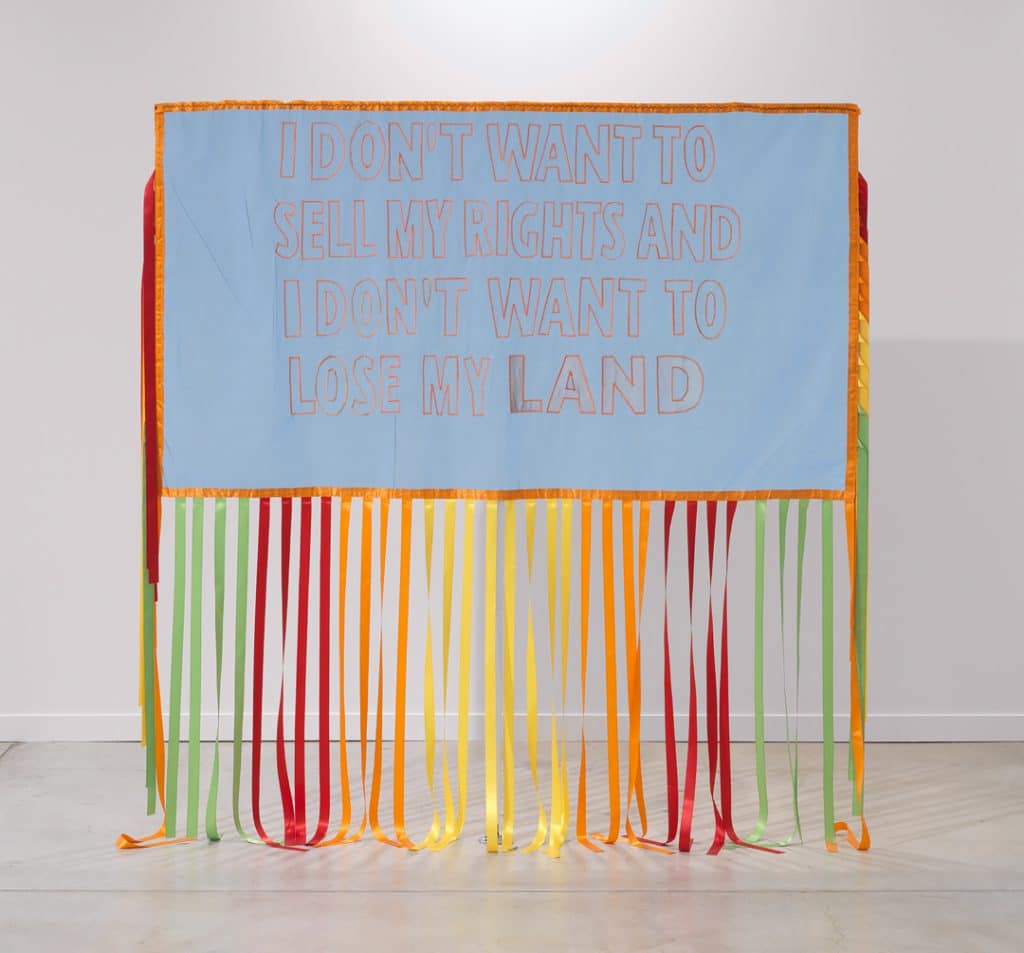
2025 Sobey Art Awards
Willard’s work along with the other shortlisted artists for the 2025 Sobey Art Awards will be shown at an exhibition at the National Gallery of Canada this fall, with the winner being named Nov. 8.
As this will be her first time showing at the national gallery, Willard is eager to present an example of the art that flourishes in her community.
“We as Secwépemc people, our art histories aren’t recognized, and as interior Salish people, we’ve long been in the shadow of an ethnographic frame that positioned us as not having sophisticated arts,” Willard says. “I’m interested in countering that narrative and showing all of the contemporary, rich artwork that is in our communities.”
“I am just one person, and we get so much inspiration from our land,” Willard adds. “I’m just really grateful to the land, my family and my community who helped me be inspired to make the work I do to get this kind of recognition.”
The Wren is a community driven local news outlet. Your questions and ideas help guide what we dig into. Your feedback after we publish a story helps ensure we're always improving our reporting to better serve you
What do think about this story?
Author

Related Articles
‘It is about courage’: More students take up Secwepemctsín as language revitalization efforts grow
‘Without any new interest or passion for Secwepemctsín, there is no revitalization,’ student says.
Secwépemc actor William Belleau brings Hollywood to Alkali Lake
Days before the Leo Awards, Secwépemc actor William Belleau reflects on a career that’s come full circle with his role in the independent Secwépemc film W7éyle (Moon’s Wife).
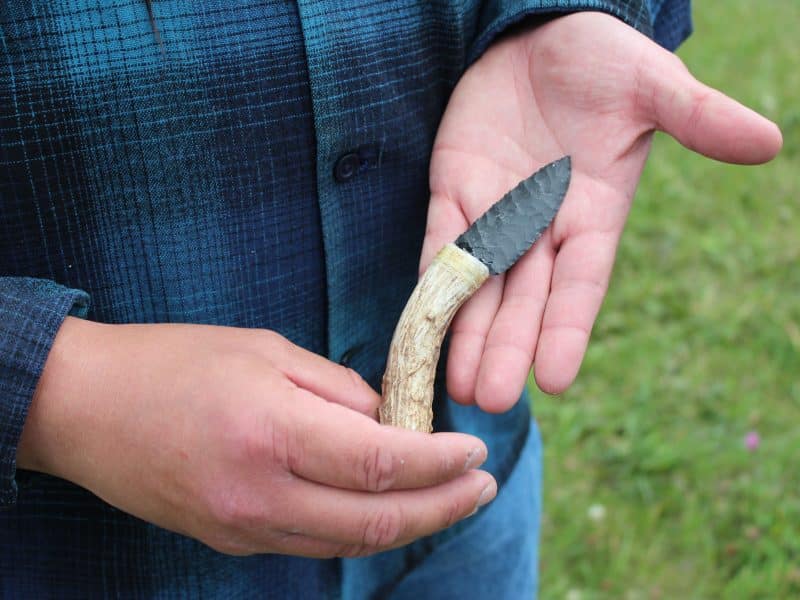
Meet Eric Van Stone, the archaeologist who stopped digging and started carving
Once trained to uncover the past, Chipped Stone Tools artisan Eric Van Stone now reshapes stone into functional blades.
