Tune in as reporter Sunny Stranks shares her experience reporting the Roadmap To Recovery series. The series, rooted in research and local voices, compiles resources and information for people seeking addiction treatment in Kamloops while exploring what barriers people might face when reaching out for help.
Transcript:
The Wren: Welcome to The Wren’s very first podcast. I’m your host, journalist Macarena Mantilla, and to kick off this new endeavour, we sat down with contributor Sunny Stranks To learn more about her series, roadmap to recovery, nine articles in total. This series is rooted in research and local voices and compiles resources and information for people seeking addiction treatment in Kamloops, while exploring what barriers people might face when reaching out for help, you can find all of these stories at thewrennews.ca

Please note this podcast mentions substance use and the toxic drug crisis. Please listen with care to connect with your local and mental health and substance use Center call 310-6478.
Please join me as I welcome Sunny Stranks. Hi, Sunny, how are you?
Sunny: I’m doing good. Thanks. Thank you for having me.
The Wren: Of course. Let’s get into it. For those who are unfamiliar with the series, could you break down what Roadmap to Recovery is? What sparked this idea?
Sunny: Absolutely, so roadmap to recovery focused on recovery services and Kamloops, what’s missing in terms of support and what’s misunderstood about substance use and recovery? And I collaborated with the wren because it’s an independent news source and it’s funded by readers to deliver reporting that reflects the needs of people living in Kamloops, and there were some concerns raised by community members about visible homelessness and substance use, and a Few persistent myths around things like harm reduction, safe injection sites and how treatment programs are funded. The Wren’s readers also shared that it’s hard to find information about what addiction recovery services exist. So with this reader feedback in mind, I spent two months interviewing as many people as I could with direct experience from local recovery programs. So we compiled all the research resources and information gathered into a series called Roadmap to Recovery.
And the name was actually a quote by Sean Marshall, the executive director of the Blue House recovery, which is a sober living house for men in Kamloops, he pointed out that there is no roadmap to recovery, which leaves folks unsure of where to go for help.
Shawn Marshall: I truly think there should be, like a roadmap to recovery, something that outlines all of it very easily, that people can can rely on but, but there just isn’t. So people are kind of left just calling around.
Sunny: Although there is no single trajectory to recovery, we hope to fill the gap that Shawn Marshall described.
The Wren: While you were digging into this. Were there any misconceptions about substance use that you decided you wanted to uncover?
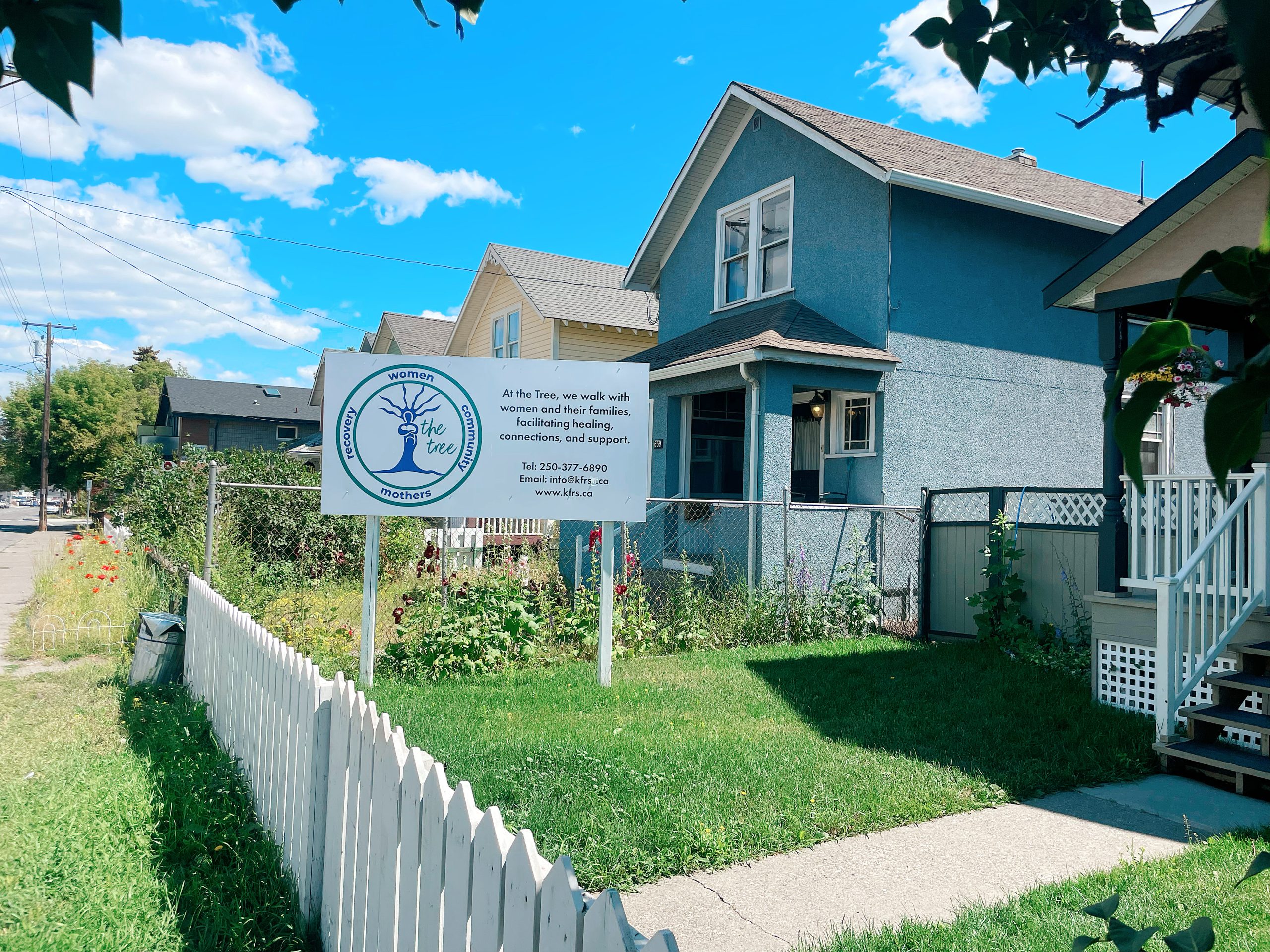
Sunny: Yeah, one big misconception about substance use is the idea that all people who use substances are criminals or street entrenched and live in a tent. The recovery service providers I spoke with strongly challenged this sharing that they have supported folks from all walks of life and socio-economic backgrounds, people who had master’s degrees or owned businesses or had families and successful careers.
Sean Lewis, executive director of day one society, also disagreed with the assumption that all people using drugs are unhoused, are criminals. The majority of people Lewis has interacted with who are struggling with substance use disorder are using behind closed doors. People who are street entrenched may be using substances as a coping mechanism, just the same as people who have housing she noted.
The Wren: I see were there any commonalities among those struggling with substance use?
Sunny: Yeah. Darlene Webb, the director of health and recovery services for Ask Wellness, explained a very common theme that she sees is people who were injured through a sport or work accident were prescribed opiates as a pain management and they develop a dependency, and then when the doctor stops prescribing the medication, it sends people to the street level to try and find something to stop their pain.
But I would say the biggest commonality among people who struggle with substance use disorder is that they’re all loved by someone, right there’s someone’s child, parent. Parent, sibling, friend, partner, peer, or even community member.
The Wren: Absolutely. Back to the misconception that all people who use substances are criminals or street entrenched. Why might folks think this way?
Sunny: If we look at the most recent Point in Time Count in Kamloops, 48 per cent of the 313 respondents self identified as having addiction issues. So it’s clear that there are people struggling with addiction who are street entrenched, but not every person who is street entrenched does. I think it’s only recently that we’re starting to talk about or treat addiction as a public health issue instead of a criminal one.
One source I spoke with, Greg Unger, he made a point that the War on Drugs era started back in the 1970s, so historically, the response to substance use has largely been rooted in criminalization. So while I think work is being done to treat addiction as a public health issue instead of a criminal one, it’s going to take some time to see a real cultural shift in our perception of who struggles with addiction and use of substances.
The Canadian Institute for substance use and research reminds us that street entrenched people are more visible and don’t have the same level of privacy as someone who is housed. So when we see street entrenched people doing these things in public, it’s easy to make generalizations without recognizing that they have nowhere else to go.
It’s also more likely that police will be called if we see a person doing these activities in public, so we have a group of people whose actions are more visible compared to people who have housing, and they’re more likely to come in contact with police. Regardless, experts in the field see a wide range of people struggling with addiction, and many of them have homes and jobs and responsibilities.

The Wren: So what can folks do if they’re seeking help? What does the process look like for them?
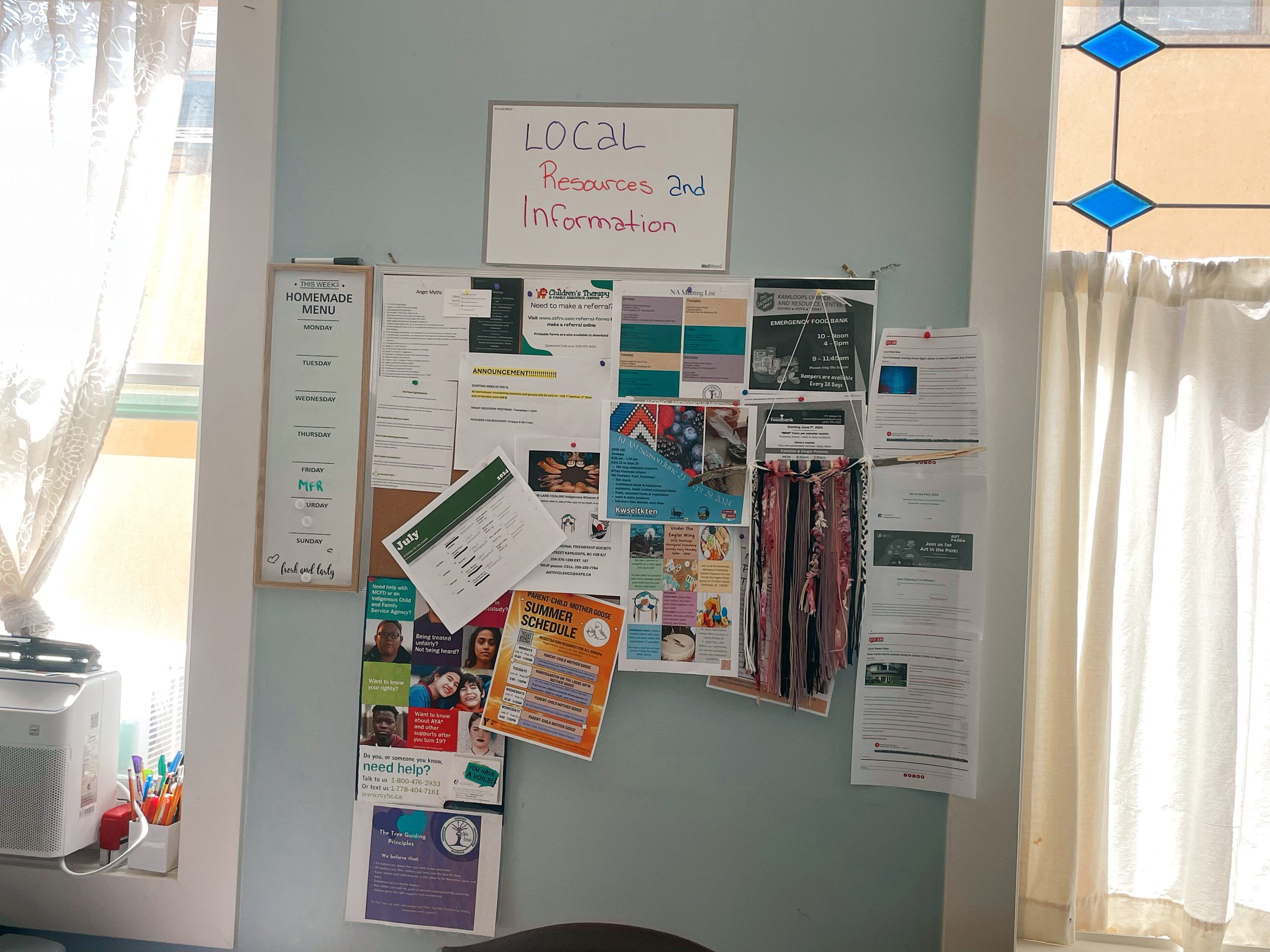
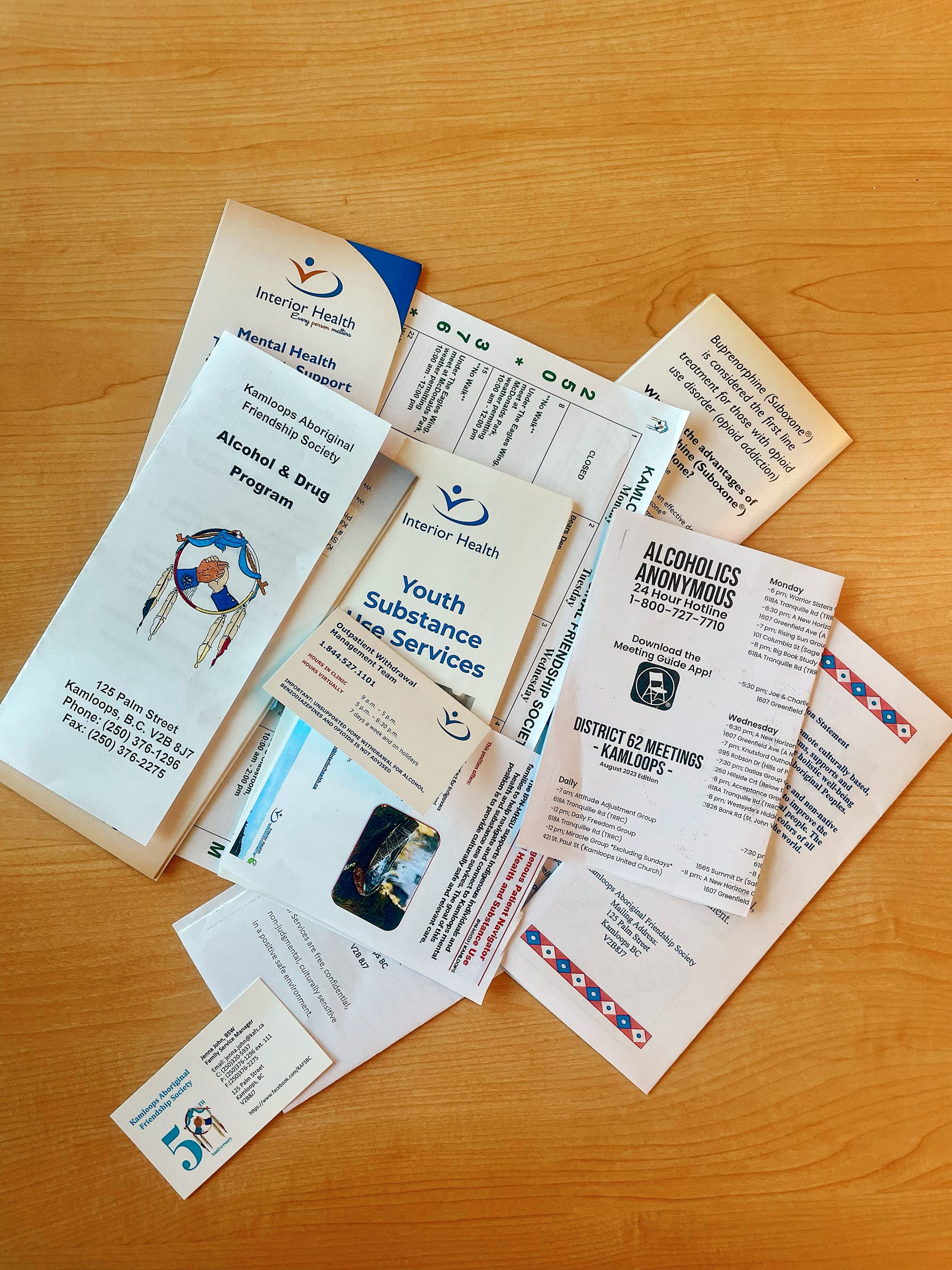
Sunny: So in Kamloops, you would be referred to the mental health and substance use services at 235 Lansdowne St. During a tour of the site, I learned that they offer same day appointments as a first point of contact for people struggling with substance use and are interested in receiving support.
But even if someone decided today that they wanted to get treatment, there are still long wait lists for recovery programs and services.
A barrier that people run into when seeking help is the waitlist to access a detox centre. Kamloops, it only has one, and it’s through Day One Society. The wait list ebbs and flows between 25 to 50 people at any given time, and many treatment programs require a supervised detox at a centre, like the one in Kamloops before starting a program.
The Wren: So what is the person supposed to do while waiting to get into detox?
Sunny: Well, it can be life threatening to try to detox without professional support and supervision. Even if the person stops using substances for a short period, they’re at an increased risk of overdose if they have a slip while waiting. To stay on the waitlist at detox, you have to call once a day to confirm that you want to stay on the list.
So let’s say, if a person is living in a tent and they don’t have a phone, or they stay up all night protecting themselves and slept all day losing their spot on the waitlist. Or on the flip side, what if you had a full time job but needed to go to a treatment centre? How many people can just up and leave their jobs? What would you tell your boss, and how would you be able to afford rent so you don’t lose your housing? We have to be realistic about what people seeking help are up against. It’s not as simple as just deciding to get help.
Recovery requires wrap-around support at every stage, whether that’s before or after, detox, during treatment, in a first or second stage program and beyond and recovery isn’t just about treatment. It’s about making sure people have what they need to live, things like safe and affordable housing, being able to afford food, having a family doctor, access to mental health services, counselling, even transportation. They don’t seem related to substance use recovery, but they’re all connected. It can be next to impossible to recover if your basic needs aren’t being met.
The Wren: The series has nine articles in it, all covering topics related to substance use, from countering claims about harm reduction to outlining why investigating and saving lives is important. What article stood out to you the most?
Sunny: I’d say harm reduction, and what it actually is. In the article, we broke down the claims that harm reduction, such as safe consumption sites and safer supply enable addiction and does not solve the root problem, but really in the most basic sense, we all use harm reduction when we know we’re at risk.
We wear seat belts in cars. We wear helmets on bikes, and we wear sunscreen to prevent sunburns and cancer. We don’t think about a cigarette package as harm reduction, even though they have labels warning people of the dangers of using them. A bar is a safe consumption site that provides a controlled supply to alcohol to legal adults under supervision of a bartender trained through the serving at rate program harm reduction acknowledges the known risk of an activity and offers practical strategies to increase safety. So this could look like a sharps disposal bin in a park and bathroom to prevent someone from being poked by a used needle, access to free drug testing and providing new sterile needles to prevent blood borne infections like Hepatitis B, C and HIV AIDS.
A big misconception is that harm reduction encourages drug use. I visited the Kamloops mental health and substance use services on Lansdowne Street. They offer a full range of treatment and support services, including a same day appointment to see a doctor. They also have a safe injection site, which is a private healthcare space for people to consume their substances, all supervised by a professional reducing the risk of overdose and public drug use.
Jessica Mensinger, the Clinical Operations Manager for the substance use team, told me that even though this option exists, the safe injection site is the least used service at their location. Jessica Measseney, the Acting Program Coordinator at Ask Wellness pointed out:
Measseney: So harm reduction means, you know, we acknowledge that this might not be the safest thing to be doing, but how can we make it safer, right? So it might not be the ideal, especially for someone who’s like, aspiring to recovery, but we can’t always jump from like a to z, right? So it’s one of those things that’s going to keep someone alive until they make it onto their next you know, the next bed available in detox. You know, baby steps in what’s really a huge stride for people to do, and one of the most challenging things they’ll do in their life.

The Wren: Now Sunny, I want to dive into your personal experience of doing this research. What was one of the places that you visited that stuck with you in this experience?
Sunny: I would say, visiting the loops stuck with me the most during my three visits for the series, I sat in on an on site group called Street College, led by my two classmates, Lana Fine and Chris Middleton. There was a Loops regular who called me her new best buddy and teased me when I was running late for Street College. When I asked her what she would do if the Loops closed, she said she eats dinner there every day and didn’t know where else she would go. I think about her a lot, and I wonder what her life looks like now, it actually makes me a bit emotional thinking about all the people at the Loops and where they ended up after it closed.
I saw a volunteer, Danica Fletcher, making a family style dinner. People cleaning up the outside of the Loops. People being able to do laundry, have a shower, use the bathroom. People checked in with each other as they passed through. Even just being able to rest safely inside for a few minutes – these are basic human needs, and the loops was a community of its own, and I believe it did offer something important for the people who used it.
I know that’s contrary to a lot of public discourse around the space, but I hope the series offered a different perspective on the Loops before it closed, and honestly, every place I visited and person I spoke with really stuck with me.
I hope people know that there are so many hard working, empathetic and knowledgeable recovery professionals here in Kamloops working hard on the front lines to combat the toxic drug crisis.
The Wren: What is the biggest lesson you learn in this process?
Sunny: I think finding a balance between perspectives was the biggest lesson, and something that I still use in the research I’m doing now, speaking with Hatsuki Sushi owner Oscar Or, was really impactful. His business was across from the former loop site, and he had experienced several break in attempts, people scaring his diners by shouting at them, people asking for free food and leaving waste outside his business. He even slept with his phone under his pillow because he was so anxious about protecting his livelihood. So on the one hand, I feel like the Loops offered a physical location for people to go to.
On the other hand, you can’t ignore Oscar Or’s lived experience. I think two things can be true, and the toxic drug crisis is complex, multi-faceted, and truly impacts everyone.

The Wren: What are some things folks can do to support others who face substance use?
Sunny: I think trying to approach the person from a place of empathy and non-judgment is really important. We have to meet people where they’re at if we try to take people’s agency and decision making away from them, like I discussed in the article on involuntary treatment, it’s not going to be as effective as them consenting to getting help.
Try to be mindful of the language you use when we use person first language, we acknowledge the individual as a whole, instead of reducing them to just their addiction. We can do this by avoiding terms like getting clean, because it infers people who use drugs are dirty, drug abuser. It implies violence, a drunk, junkie, addict, etc. Try using so and so is in recovery or struggling with addiction, a person with substance use disorder or a person who uses substances.
Troy Lana Manson, an organizer with Mom Stop the harm, which is a network for Canadian families who have lost children to substance use related deaths. She offered her perspective as a recovery mentor. Her approach is to ask the person what they need that day, recognizing that needs are always changing.
The Wren: Thank you so much sunny for being our first ever guest. For folks interested in sunny and the wrens series, roadmap to recovery, please visit the wrennews.ca.
You can subscribe to our free weekly newsletter, explore all nine articles in the series and keep up to date with what’s happening in Kamloops. If you or someone you know is struggling, visit helpstartshere.gov.bc.ca.
Special thanks to our podcast producer and editor Hollie Ferguson and to Lauren Kaljuir, who co-produced this podcast and edited the Roadmap to Recovery series.
I’m your host, Macarena Mantilla, until next time Kamloops.
So do we. That’s why we spend more time, more money and place more care into reporting each story. Your financial contributions, big and small, make these stories possible. Will you become a monthly supporter today?
If you've read this far, you value in-depth community news