
This Tk’emlúps midwife is helping improve reproductive health care access in Secwepemcúl’ecw
With ongoing barriers to maternity and reproductive care, Kamloops-area midwife Sage Thomas believes her profession can provide a continuity of care for families.
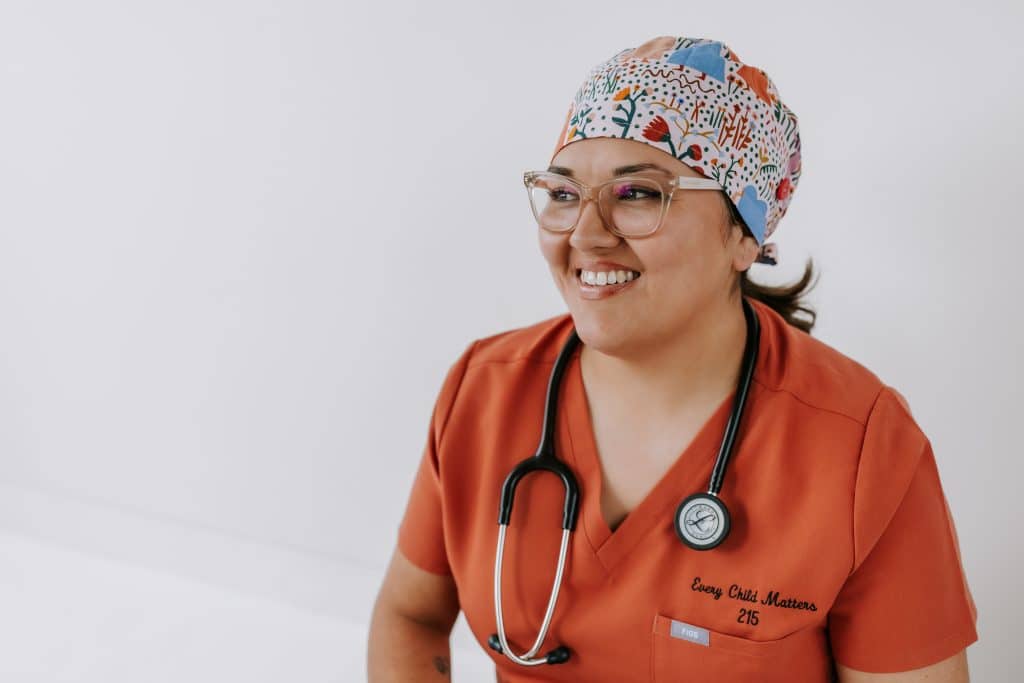
Building relationships and culturally grounded care is just as important as the clinical side of the profession for Tk’emlúps te Secwépemc midwife Sage Thomas.
While she’s willing to provide care for people from all walks of life, Thomas says the importance of health equity for Indigenous families and those who have immigrated to the southern interior of B.C. remains a top priority for her as a midwife.
“I’m prioritizing Black, Indigenous and People of Colour (BIPOC) and immigrant families,” Thomas said, while acknowledging that when Indigenous families seek reproductive care, the experience can carry generations of history with it.
Thomas is currently the only registered Indigenous midwife working in their own community in B.C. and one of 12 local midwives providing primary care for people in the Kamloops region for pregnancy, labour and delivery, postpartum and infant feeding.
In her role, she supports parents with their birth choices throughout the sometimes complicated process, offering personalized care, advocacy and education, among other services.
In B.C., midwives are registered health care professionals, covered by the Ministry of Health under the province’s Medical Service Plan.
With the permanent closure of the Thompson Region Family Obstetrics earlier this year disrupting services for those in need of prenatal and delivery care, Thomas sees the resurgence of midwifery in Secwepemcúl’ecw as a way to help bring maternity care to Indigenous families, in some cases closer to home.
“Kamloops is a hub for a lot of the rural communities,” Thomas says, with parents from Ashcroft, Savona, Barriere, Clearwater, Merritt, Monte Lake, Chase, Salmon Arm and many of the other surrounding areas seeking support.
“Now as a registered Indigenous midwife, I am travelling to a lot of the surrounding reserves,” Thomas says.
One of the critical gaps in maternity care, she says, is not only whether services exist in the community, but how patients can move seamlessly between multiple care providers and locations successfully to ensure consistent care.
“I worry that people are going to get lost in the system not having consistent follow through and things could potentially get missed,” says Thomas, while adding that the department head of midwifery has brought in 29 locum midwives to the Kamloops area.
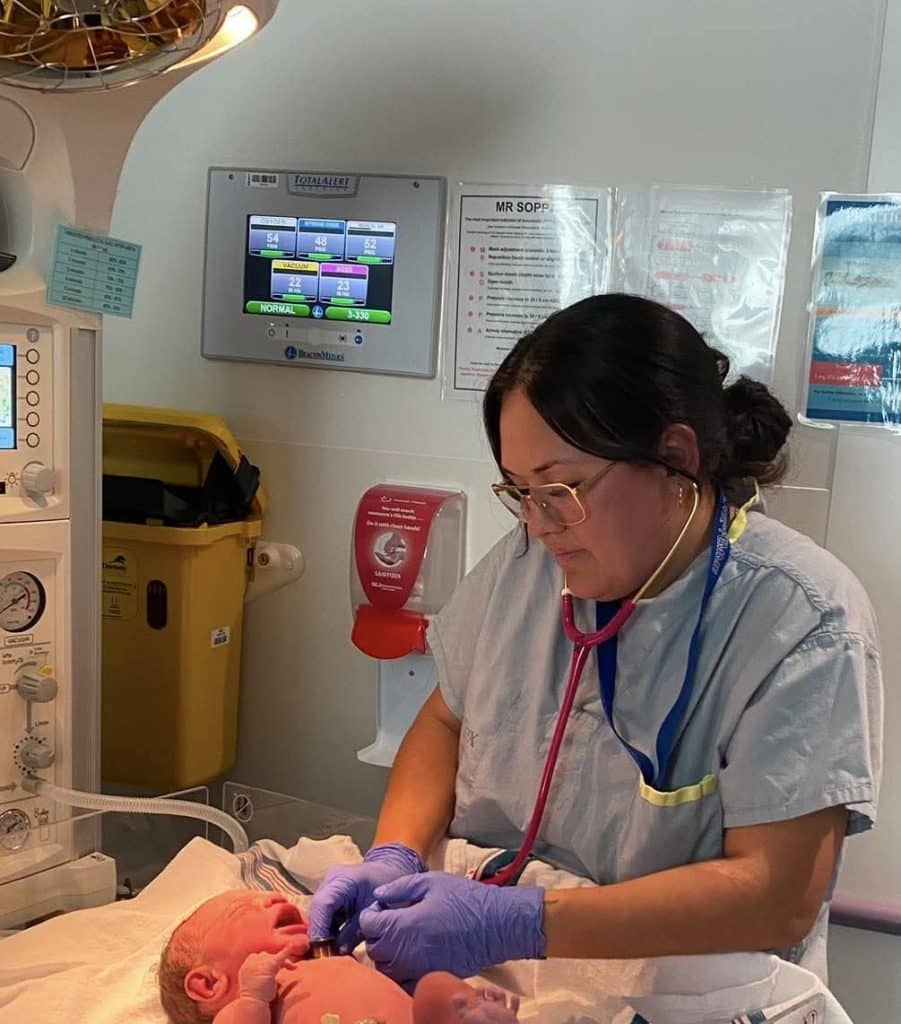
According to Interior Health, about 20 per cent of births at Royal Inland Hospital are supported by midwives, and as a mother, Thomas knows first hand how transformative midwifery can be.
The Indigenous Midwifery Council of BC also provides funding for the extra support or cultural work that Indigenous midwives may provide to Indigenous families, such as gathering medicines or harvesting traditional foods to help in the ceremonial aspects of pregnancy, birth and the postpartum periods.
“Often Indigenous midwives are doing more ‘work,’ when providing care to Indigenous families, and this funding honours that.”

Care grounded in community
Thomas graduated from University of British Columbia’s midwifery program in 2025 and is now practicing at Mighty Oak Midwifery in Kamloops.
As a council member with the Indigenous Midwifery Council of BC, the 39-year-old midwife and parent is also committed to help shape culturally safe reproductive health care services in Secwepemcúl’ecw, especially the Kamloops region.
For many BIPOC families, reproductive care is about more than medical access — it is also about trust, cultural safety and seeing themselves reflected in the people providing their care.
Strengthening care for Indigenous families would require a broader focus on continuity and local access to services, particularly in rural communities surrounding Kamloops, Thomas explains.
She adds that she would like to see an increase in maternity care providers across disciplines — including midwives, family physicians and obstetricians — alongside more Indigenous health-care providers working directly within communities.
She also points to the need for improved postpartum support, and more proactive planning for families who must travel long distances to give birth, especially in cases where weather, transportation or hospital closures can complicate access to care when patients are not yet in active labour during the winter months.
One of the recurring challenges in serving Indigenous communities, according to Thomas, is the amount of time she spends travelling to families who do not have access to their own transportation.
“As a solo-supported midwife, I am essentially on call all of the time. But for me, it works for my lifestyle,” she said, adding that holding space for both joy and grief — sometimes at the same time — is essential.
In the future, she would like to offer wellness days for on-reserve First Nations members needing access to reproductive health care such as contraceptive counselling, prescriptions, HPV or STI screening, treatments and abortion care.
Practical support for everybody in the community, she says, could include clearer processes for emergency travel decisions, reduced costs for parking during labour, and proactive assistance for families without local support networks to offer child care to older siblings when a family gives birth.
“That would benefit everyone,” she stated.
In the near future, she is hoping to acquire an office-space on the reserve long-term to provide care for families who might otherwise face discrimination while trying to find a primary care provider in the community.
What else can be done to improve reproductive health care?
Interior Health told The Wren in an emailed response that it is working on strengthening maternity services across the Thompson Cariboo Shuswap through a “regional, integrated health care approach,” which includes expanding community-based care with a new maternity clinic in Merritt.
“Longer-term planning will continue to focus on building sustainable, team-based rural maternity care,” the statement added.
B.C. is also working to provide better access to midwife-led abortion care for families navigating reproductive health, and some practitioners are anxiously awaiting clarification on community-based solutions for contraceptives.
The province’s recent expansion of midwives’ scope of practice may broaden reproductive healthcare access in B.C. to insert intrauterine devices (IUDs), prescribe birth control and to offer medical abortions.
“It opens up a huge pocket and I think that’s really, really valuable for communities,” Thomas says.
But some practitioners say implementation details for the updated scope of practice for midwives in the provinces, especially in community-based Indigenous care settings, still need clarification.
There is currently no billing code for a midwife to perform an IUD insertion and bill MSP for completing the procedure, nor a process to access the speculum kits required to complete the procedures, but Thomas is hopeful that soon the Ministry of Health, the BC College of Midwives and Nurses and the Midwives Association will have plans in place for those logistics. She stated these discussions are currently ongoing.
In the meantime, Thomas is referring individuals to utilize the Early Pregnancy Access to Care and Triage (EPACT) Clinic and STEPS women’s health clinic — both self referring clinics — for early pregnancy care and abortions as well as PAP smears and accessing contraceptives.
If families would like to apply for midwifery care with Thomas, they can apply directly online through Mighty Oak Midwifery’s website.
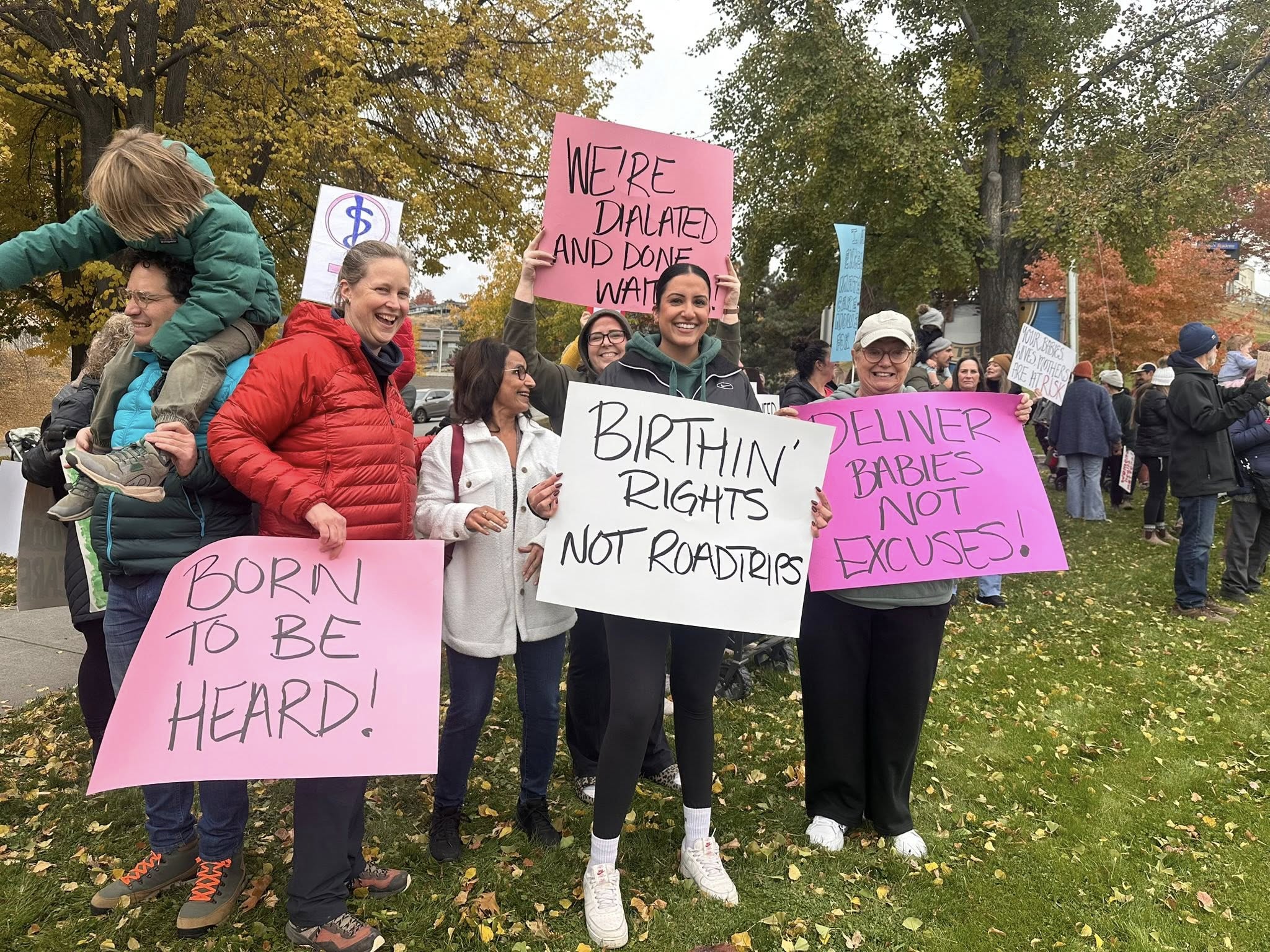
Editor’s Note June 9, 2026: A previous version of this story shared a photo caption with the incorrect name of the baby. The story has been updated to reflect the name David.
The Wren is a community driven local news outlet. Your questions and ideas help guide what we dig into. Your feedback after we publish a story helps ensure we're always improving our reporting to better serve you
What do think about this story?
Author

Related Articles

Here’s how general election candidates will support public transportation
Candidates for the 2026 municipal election have plans for transportation in Kamloops.

Here’s what candidates have to say about AI infrastructure in Kamloops
As Kamloops becomes a hub for AI data centres, candidates share their thoughts on regulation and support.

Here’s how general election candidates will tackle affordability in Kamloops
Kamloops’ 2026 general election candidates share what steps they’d take to improve affordability.
